7 savings account mistakes to avoid

7 savings account mistakes to avoid
A good savings account is critical for achieving long-term financial objectives. Unfortunately, making a few common mistakes can jeopardize one’s savings account. According to a Household Economics and Decision-making survey, the indicator of the financial well-being of adults who felt less well off financially than in the previous year reached 35%. Avoiding a few mistakes when saving money can lower this percentage. Also, one can build a solid foundation for long-term financial growth. Savings account mistakes to avoid Let’s highlight and discuss the seven most critical savings account mistakes to avoid. 1. Failing to set specific goals A common mistake is failing to establish the purpose for which one is saving. Lack of clarity about what one wants to achieve will strip one of motivation and lead one into the habit of over-consuming. Define one’s short-term and precious long-term objectives, such as saving an emergency fund, acquiring a home, or securing well-being following retirement. Records of one’s precise goals assist one in always keeping them in mind and make it easier to prioritize savings over unwise expenditures. One must allocate one’s savings to precise goals with deadlines to guarantee accountability and quantify one’s output. 2. Not establishing an emergency fund Life’s unexpected expenses can disrupt one’s budget.


9 Critical Fitness Mistakes to Avoid for Healthy Results

9 Critical Fitness Mistakes to Avoid for Healthy Results
Committing to healthier lifestyle habits is one of the best ways to support their health. One of these habits involves embarking on a fitness program to help improve energy levels, the ability to participate in daily activities and reduce the risk of chronic diseases. However, it isn’t simply about getting into a routine. One must also ensure they exercise appropriately to avoid complications, including injuries. On that note, here are nine fitness mistakes to avoid for an improved outlook. Overtraining Doing anything in excess can harm one’s health, and this includes high-intensity exercise. Individuals can get on a workout routine for the first time. However, it is important for them to refrain from trying and pushing themselves beyond what their body can handle. Overtraining could lead to injuries that may affect the person’s ability to participate in the fitness routine for a long time. It is also important to time the rest period during a workout. One could follow a 60-minute session that includes warm-ups, cool-down, and lifting exercises. Wearing a stopwatch or using an app on the smartphone could improve time management while working out. Skipping warm-up One of the worst mistakes people make during a workout routine is skipping the warm-up session.

6 mistakes to avoid when choosing a digital signage provider

6 mistakes to avoid when choosing a digital signage provider
Digital signage uses display technologies such as LCD monitors and multi-screen setups to showcase marketing content, videos, webpages, digital images, and more. It is a big part of brand communication and marketing today and requires ample backend work, such as mounting systems and installing software. Most of this is done by digital signage providers. Since digital signage is vital to reaching one’s target audience, businesses must choose the right service provider to communicate their message. Here are some of the common mistakes that can be avoided when putting up digital signage and choosing a digital signage provider: 1. Failing to define objectives It is essential to note down the objectives of digital signage. Some of the questions individuals must ask themselves include: what are the marketing goals of this medium, what is the target audience for this communication, is there a specific type of content that needs to be displayed, and have we identified the hotspots for these digital signages? These questions help to narrow down the objectives and create a clear plan of action that will give the best return on investment. Once these discussions are locked, individuals can easily communicate with the digital signage provider, and they can help with the right solutions that will not create any miscommunication.

7 factors to consider when buying a used car

7 factors to consider when buying a used car
Purchasing a used car is one of the practical options during an economic crunch. But it is a tricky affair since, despite being second-hand, it is expected to last longer. Therefore, one must not oversee any loopholes and check several factors while dealing with a used car seller. These include the concerned vehicle’s lineage, service history, present condition, limitations, etc. Here is a list of the critical factors to consider when purchasing a used car: Prepare a budget One must set a budget first since the economy is the primary reason behind purchasing a used car. The budget helps limit the range of choices and prevents one from overspending. While preparing the budget, one must consider whether there are adequate savings to pay for the down payment. Following that also check if there are enough earnings to pay loan installments, maintenance, and insurance. Also, there are issues of service, state and local taxes, and depreciation, all of which must be calculated to determine whether they fit your budget. One must remember that the less one spends during the purchase, the more money they have for the car’s maintenance. Consequently, the vehicle will stay for a longer time. Consider lifestyle choices To a significant extent, the cost of the car is determined by:

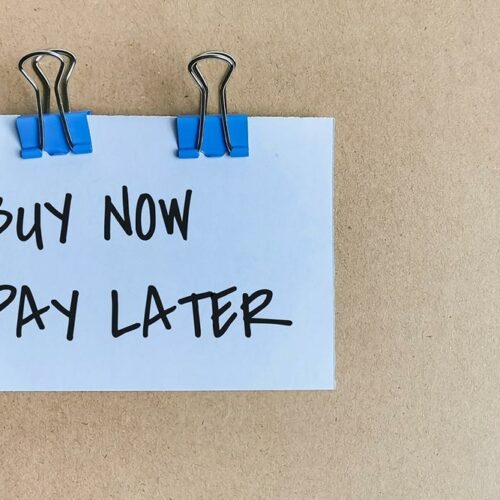
7 mistakes to avoid while using buy now, pay later

7 mistakes to avoid while using buy now, pay later
Buy now, pay later is one of the latest financing trends, often considered a way of making purchases easier for customers. Here, using a third-party provider, one can make payments on those purchases later. While this may seem quite convenient, the offer comes with its own risks that can result in an unnecessary debt burden. To avoid this, it helps to be wary of the following common buy now, pay later mistakes: 1. Ignoring the fine print This is one of the most common buy now, pay later people tend to make. Here, they may be tempted to skip reviewing the jargon-heavy and complex terms and conditions. However, this can cause more harm than one expects, as the fine print contains all the important guidelines, such as late payment fees, number of installments, payment methods, and other crucial buying information. Checking the terms thoroughly can help one avoid a lot of trouble while using the buy now, pay later (BNPL) payment method. 2. Making too many purchases It is common to develop a false sense of security when accessing the buy now, pay later offer for a purchase. One can end up assuming that they will always have enough funds to pay off dues later.

9 mistakes to avoid when buying office furniture

9 mistakes to avoid when buying office furniture
Office furniture is a one-time investment that should be made with utmost care and planning. As the saying goes, “measure twice, cut once,” so does planning to buy office furniture. Having a floor plan, a design, a budget, and a vision for what the office should look like with the new furniture is very important. So, “measure twice and buy once,” and avoid making these nine mistakes when purchasing office furniture. Not having a budget This goes for anything. Having a budget is important before even thinking of looking at catalogs and brochures. One should allot funds for each piece of furniture and then start shopping around. A budget allows one to enjoy some wiggle room for reallocating finances for each piece of furniture. It also gives one a bargaining opportunity to ensure the best value for money purchase. While having a budget is important, overshooting it should be avoided. Buyers must start with a reasonable budget and ensure there is at least some leeway. When shopping for office furniture, one should also ensure the final cost includes everything, like shipping, assembly, and installation. One should not neglect to consider the true cost, which includes all of these. Choosing looks over comfort Great looks don’t necessarily mean great comfort, ergonomics, or value.

Our
Blog.

5 styling ideas for women over 60

5 styling ideas for women over 60

Age is a number when setting a true style statement. Regardless of anyone’s perception, just because you are reaching the 60s doesn’t imply to stop working on your appearance and renounce your desires to look fabulous. Fashion is not just merely about trends; it is about how you express yourself through clothes as the myths of age must not limit your expression. So, here are a few best styling ideas for women over 60: Embrace your age One of the most typical fashion mistakes people make is choosing outfits that are supposed to make them appear younger than their actual age. The problem with such a choice is that you are paradoxically accentuating your age when you try to look younger by wearing an outfit that will be more appropriate for youngsters. For example, if you don high heels, short skirts, or flashy fashions that might be more appropriate for a person half your age, you are indirectly making yourself appear “older.” Instead, you can opt for clothes that are specially tailored for women your age. Sporting “age-appropriate” dresses will conceal your age and make others appreciate your other features like glowing skin or your build. And consequently, you will appear much younger than your actual age.
Read More
5 tips to prevent and manage ulcerative colitis

5 tips to prevent and manage ulcerative colitis

Ulcerative colitis is a long-term inflammatory disease that triggers inflammation and ulcers in the digestive system. It impacts the colon and rectum’s innermost lining. The symptoms are typically produced over a period rather than unexpectedly. According to the latest studies, about 1 million people have ulcerative colitis, and if left untreated, it can be crippling and cause life-threatening conditions. So, here are 5 tips to prevent and manage ulcerative colitis: Get on with the treatment plan immediately Even though there is no concrete cure for ulcerative colitis, proper treatment can help ease the symptoms and signs of the condition and eventually provide long-term remission. If a patient feels that their bowel habits are consistently changing or if they experience any of the following symptoms and signs, they should immediately consult a doctor: Blood in stool Ongoing diarrhea that is not getting cured by any other types of treatments An unknown fever going on for more than a day or two Abdominal pain Diarrhea that wakes up the patient from sleep The treatments prescribed by the doctor will typically include a combination of oral therapy or surgery. As far as oral treatments are concerned, the doctor may prescribe any of the following types of therapies, depending on the patient’s existing condition:
Read More