7 warning signs of RSV in children

7 warning signs of RSV in children
Respiratory Syncytial Virus (RSV) is a respiratory virus that causes common cold-like symptoms. Generally, it affects those with weakened immunities, such as infants and older adults, more than others. Although people with this condition recover from it within a week or two, it can become dangerous for individuals with compromised immune systems. For children especially, people must sense certain warning signs of this condition at an early stage. Here are a few warning signs: Runny nose RSV is known to cause inflammation in a child’s upper respiratory tract which consists of the nose and throat. Children with early-stage RSV will have an excessive amount of mucus produced in their bodies, causing them to blow their noses every now and again. Like many other symptoms of RSV, this one also closely resembles those related to a common cold. Decreased appetite The cold-like symptoms of RSV make it difficult for children to taste and smell food components properly. Additionally, the virus also tends to block kids’ throats with an excessive amount of phlegm. This causes them to have great difficulty not only in eating, drinking, and swallowing meals and drinks, but also completely takes away their sensory enjoyment of all foods. As a result, children with RSV will slowly experience a progressive reduction of appetite.

7 uncomfortable questions to ask a gastroenterologist

7 uncomfortable questions to ask a gastroenterologist
“Gut health is the key to overall health.” After all, almost two-thirds of our body’s immune system resides in the gut. Whatever a person consumes forms the foundation of their overall health. And even a slight problem with gut health can cause many issues, ranging from skin conditions to poor mental health. However, despite its importance, people often find it embarrassing to openly talk to a gastroenterologist about their digestive health. It is essential, though, for everyone to understand that it is completely normal to ask questions and share things about their health with the doctor. Here are a few common questions about digestive health that people should not feel uncomfortable asking their gastroenterologist: 1. Why do feces have an unusual color? When it comes to digestive health, a lot of people feel uncomfortable talking about their feces and bowel movements. However, not discussing it with the doctor may do more harm than good. This is because if a person has noticed an unusual change in their feces, like its color, it may be a symptom of an underlying condition. Sometimes, the color of feces can also change based on the consumption of certain colored foods, although that is not always the case.

Hypoglycemia – 10 signs of low blood sugar

Hypoglycemia – 10 signs of low blood sugar
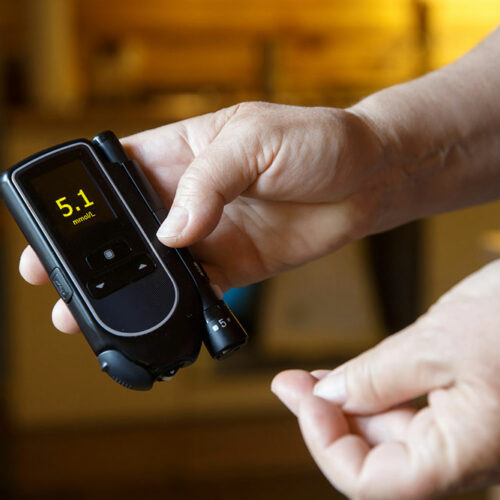
A low blood sugar level is a condition referred to as hypoglycemia. This condition is recognized when the blood sugar level drops below 70 mg/dl, and steps are needed to bring it back up to a healthy number. This type of blood sugar drop is especially common in type 1 diabetes. Some symptoms can help diagnose low blood sugar levels that impact health, and here are some observations to keep in mind. 1. Extreme hunger This is one of the typical signs and symptoms of a low blood sugar level. This is the body’s way of communicating that it needs food to raise its glucose levels. Some people may eat sugary substances to get that spike, but other foods can also help raise the glucose level. Carbohydrates help solve this issue; however, eating the right amount of carbohydrates to help in this situation is essential and can vary from person to person. So, always consult a nutritionist to know how to manage glucose levels when this symptom occurs. 2. Restless nights Nocturnal hypoglycemia is the term used to describe low blood sugar levels at night in a diabetic person. In this, the individual may experience signs and symptoms like night sweats, unrest, and confusion once awake, as well as episodes of waking up suddenly.

Colon cancer – Early signs, causes, and diagnosis

Colon cancer – Early signs, causes, and diagnosis
Colon or colorectal cancer begins in the colon—the longest part of the large intestine. Along with the rectum, the colon makes up the lower end of the digestive system. Cancer in this region is the third most common form of the condition, with the American Cancer Society suggesting that 1 in 23 men and 1 in 25 women are at risk of developing the disease. Here, recognizing the signs can help one seek timely treatment. Early signs The early stages of colon cancer rarely cause visible symptoms. However, one may experience some of these early signs for about a year or two before they get a diagnosis. Abdominal pain: Pain is a common cancer symptom. With colon cancer, one may observe tenderness in the lower abdomen as well. Rectal bleeding: One may observe bright, red blood in the stool and persistent diarrhea as early signs of colon cancer. Anemia: Colon cancer causes inflammation and blood loss, which results in iron deficiency, leading to anemia. As the cancer progresses, one may start to experience some of the following symptoms, usually observable between stages 0 and 2: Changes in bowel habits: Constipation and diarrhea are common early signs of the condition. Cancer in the colon can affect the frequency of bowel movements.

4 Concert Tickets Booking Mistakes to Avoid

4 Concert Tickets Booking Mistakes to Avoid
Going to a concert is probably one of the several things that are on the bucket list of many. There used to be a time when people had to throng in front of the ticket counters to buy a ticket. However, nowadays, buying tickets for any event from online ticketing services like vivid seats is super easy. Though the ticket booking process has become easier now, people still make the following mistakes while booking the tickets. Not comparing the ticket costs across various platforms To ensure that the concert tickets are purchased at the best price, visiting multiple online ticketing platforms is important. Buying a pass from any random online ticket marketplace without checking for the rates on other sites can prove to be costly. Furthermore, visiting multiple platforms lets users find a ticket type that matches their budget. You need to note that if a site offers passes for a particular event at lower prices, then it doesn’t necessarily mean that the tickets for all other events listed in it will be cheaper than other ticketing platforms. Ensure you purchase it from a reliable site. You can find one by going through the customer reviews. If you purchased tickets for the 2022 Vivid Seats events music tour, you may have enjoyed the entire experience.

9 best POS systems for small businesses

9 best POS systems for small businesses
A POS (point-of-sale) system is used in retail stores to manage transactions. Earlier, POS systems were fairly simple and would generally only include cash registers. However, with the advancement of technology, these systems now also include a combination of hardware and software, such as barcode scanners, card readers, cash drawers, and receipt printers. Some simple POS systems can include as little as a credit card scanner connected to a tablet. What does a POS system do? Scans items with ease When a customer decides to make a purchase at a physical store, a POS system can assist in completing the transaction. This may occur via a sales associate who uses a barcode scanner to look up the item’s price or using a scanner via your phone camera. When shopping online, adding items to the cart initiates the purchase process. Calculates the price of the item The POS also calculates the final price of the item, including any discounts, offers, or taxes to be added. It then digitally updates your inventory to mark the item as sold. Allows multiple payment options Next, it is time to make the payment. Depending on the POS used, customers can use their credit card, tap card, debit card, loyalty points, gift card, or cash to pay.

Our
Blog.

5 styling ideas for women over 60

5 styling ideas for women over 60

Age is a number when setting a true style statement. Regardless of anyone’s perception, just because you are reaching the 60s doesn’t imply to stop working on your appearance and renounce your desires to look fabulous. Fashion is not just merely about trends; it is about how you express yourself through clothes as the myths of age must not limit your expression. So, here are a few best styling ideas for women over 60: Embrace your age One of the most typical fashion mistakes people make is choosing outfits that are supposed to make them appear younger than their actual age. The problem with such a choice is that you are paradoxically accentuating your age when you try to look younger by wearing an outfit that will be more appropriate for youngsters. For example, if you don high heels, short skirts, or flashy fashions that might be more appropriate for a person half your age, you are indirectly making yourself appear “older.” Instead, you can opt for clothes that are specially tailored for women your age. Sporting “age-appropriate” dresses will conceal your age and make others appreciate your other features like glowing skin or your build. And consequently, you will appear much younger than your actual age.
Read More
5 tips to prevent and manage ulcerative colitis

5 tips to prevent and manage ulcerative colitis

Ulcerative colitis is a long-term inflammatory disease that triggers inflammation and ulcers in the digestive system. It impacts the colon and rectum’s innermost lining. The symptoms are typically produced over a period rather than unexpectedly. According to the latest studies, about 1 million people have ulcerative colitis, and if left untreated, it can be crippling and cause life-threatening conditions. So, here are 5 tips to prevent and manage ulcerative colitis: Get on with the treatment plan immediately Even though there is no concrete cure for ulcerative colitis, proper treatment can help ease the symptoms and signs of the condition and eventually provide long-term remission. If a patient feels that their bowel habits are consistently changing or if they experience any of the following symptoms and signs, they should immediately consult a doctor: Blood in stool Ongoing diarrhea that is not getting cured by any other types of treatments An unknown fever going on for more than a day or two Abdominal pain Diarrhea that wakes up the patient from sleep The treatments prescribed by the doctor will typically include a combination of oral therapy or surgery. As far as oral treatments are concerned, the doctor may prescribe any of the following types of therapies, depending on the patient’s existing condition:
Read More