7 Best Foods for Pulmonary Fibrosis Management

7 Best Foods for Pulmonary Fibrosis Management
Pulmonary fibrosis is a chronic and progressive lung condition that leads to scarring of the lungs. A build-up of these scar tissues impacts the ability of the lungs to transport oxygen into the bloodstream. Fortunately, there are certain foods that pulmonary fibrosis patients can have to manage their discomforting symptoms. Read on to learn more about the relationship between nutrition and pulmonary fibrosis and the best foods to include in daily meals. The connection between nutrition and pulmonary fibrosis Your lungs play a critical role in maintaining your immunity and functionality of the body at the cellular level. When lung function is compromised, it leads to a chronic state of stress in the body. This state of fight or flight may not allow your body to absorb nutrients properly and lead to malnourishment. Some studies, like the one in Therapeutics and Clinical Risk Management, have also found a connection between pulmonary fibrosis and gastroesophageal reflux disease (GERD). GERD itself contributes to nutritional deficiencies and may lead to serious health concerns. Appropriate foods help the body in multiple ways and simplify living with pulmonary fibrosis. They help in: Optimizing your weight reduces the pressure on your lungs and makes breathing easier Keeping your immunity levels high Enhancing your energy levels In the long run, healthy foods improve your pulmonary fibrosis symptoms and determine how well you respond to its treatment.
14 brain-boosting foods that help fight dementia

14 brain-boosting foods that help fight dementia
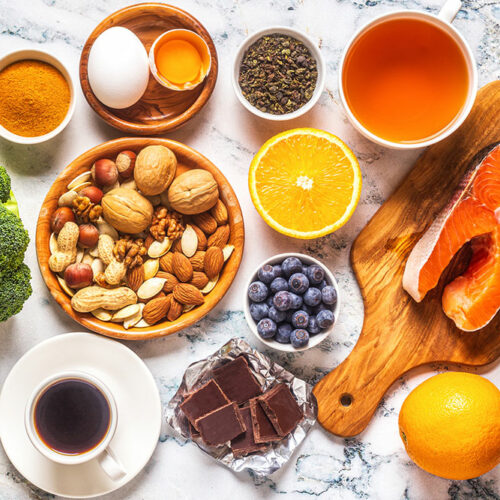
Nutrition plays a crucial in maintaining brain health and function. A healthy meal plan is believed to contribute to the prevention of cognitive decline, including conditions like dementia—a term for issues like the loss of memory, language, problem-solving, and other thinking abilities. Even when diagnosed with dementia, the right nutritional regimen can help in managing the condition, maintaining overall health, and minimizing the impact of the condition’s symptoms on daily life. Foods to consider 1. Leafy greens Leafy green vegetables like Swiss Chard, spinach, collard greens, and kale are rich in B9 and folate, which can boost cognition and mood. One can add these veggies to daily meal plans by making veggie salads, adding the greens to chilis, stews, and soups, and pureeing them and adding to hummus, pesto, and sauces. 2. Legumes Foods like peanuts, beans, and pulses contain protein, iron, and fiber, which can help improve insulin sensitivity, glucose regulation, and cognitive function. The nutrients can also help prevent blocked arteries that trigger strokes or increase blood pressure. One can cook legumes and add them to daily meals. 3. Berries Blackberries, blueberries, cherries, and raspberries are rich in fiber and antioxidants, which can help with digestion and reduce inflammation, respectively.

10 foods that help manage arthritis

10 foods that help manage arthritis
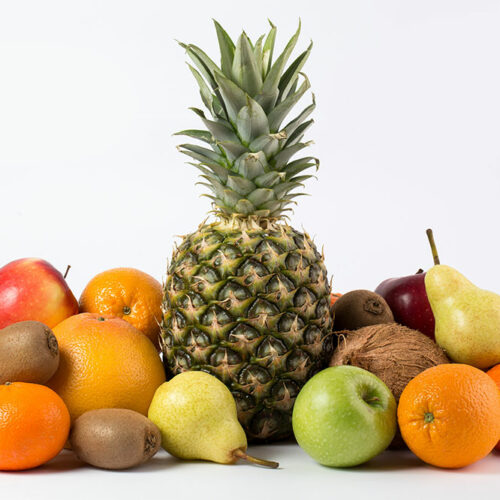
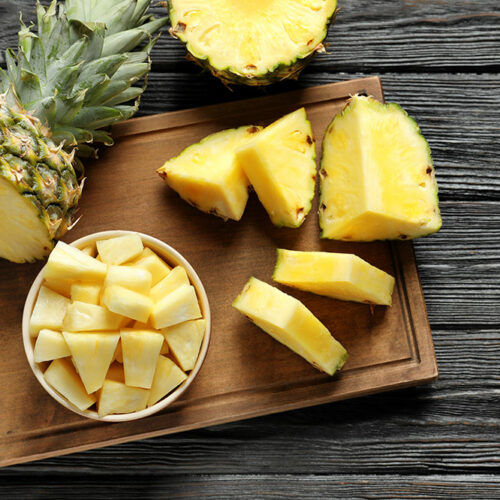
Arthritis is an inflammatory health condition that results in swelling across multiple joints in the body. It is a common problem that may cause stiffness and pain in the affected regions. Healthcare experts may indicate a range of treatment plans and therapies to improve symptoms of arthritis. But they may also recommend making lifestyle changes to curb symptoms of arthritis. Here are some of the best foods that help manage the condition and its symptoms. Pineapple The flavorful fruit contains a class of enzymes such as bromelain and is considered healthy for people with arthritis. Bromelain works as an effective enzyme that releases anti-inflammatory and pain-relieving effects. The property is especially known to relieve the symptoms of osteoarthritis but may also help tackle the symptoms of rheumatoid arthritis. One could either eat pineapple fresh or drink its juice. Other ways to enjoy the fruit include blending it with other anti-inflammatory foods like romaine lettuce, ginger, and cilantro. One should also add water to the concoction until it reaches a preferred consistency. Salmon Fatty fish like salmon are one of the healthiest food sources for multiple reasons. The fish contains high amounts of omega-3 fatty acids known for their anti-inflammatory effects.

6 Foods to Eat and Avoid for Constipation

6 Foods to Eat and Avoid for Constipation
The studies show that around 14% of people face chronic constipation at some point. The symptoms of constipation include passing stools less than three times a week, feeling bloated all the time, having hard stools, and needing too much force to pass the stool. Constipation can be due to poor eating habits, slow digestion process, dehydration, illness, pregnancy, certain treatments, etc. A person should keep their food habits in check to manage constipation. 6 foods that can help treat constipation Given below are some fiber-rich foods that can help relieve constipation and regularize bowel movements: Fruits Fruits are rich in insoluble fiber and have high water content, making them a good pick, especially if one suffers from constipation. Here are some high-fiber fruits that can help ease the condition: Kiwi : Kiwi contains the enzyme actinide, which helps with indigestion, pain, acid reflux, and abdominal discomfort. Apples and pears : These fruits have high water content and can aid digestion. Blackberries : They are a rich source of fiber and water. A bowl of blackberries and raspberries can help with constipation. Grapes : They contain a lot of water and can hence add moisture to hard stools. Whole wheat pasta, bread, and cereals Whole wheat products like pasta, bread, and cereals are a great source of insoluble fiber.

Foods That Help Manage Seizures

Foods That Help Manage Seizures
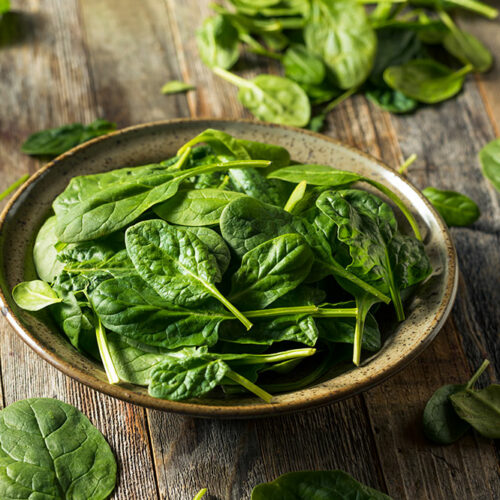
A seizure is a sudden increase in electrical activity between brain cells. The phenomenon leads to temporary abnormalities in muscle tone or movements, sensations, behavior, or states of awareness. Seizures usually occur due to a range of health complications, including infections and tumors. The symptoms are controllable with the right prescriptions. However, maintaining a healthy meal plan alongside ongoing treatments can improve brain health and reduce potential health complications that may lead to seizures. Spinach Introducing spinach to daily meals is one of the best ways to improve brain health. The leafy green is abundant in an antioxidant called lutein, which helps cleanse harmful substances from the brain and prevents age-related mental decline. The vegetable is also rich in magnesium, essential for managing muscle and nerve function. Moreover, spinach is rich in B vitamins, vitamin K, vitamin E, folate, and L-tyrosine, which are known to improve memory and mental focus. Blueberries Each type of berry, such as blueberries, packs antioxidants and anti-inflammatory properties essential for the brain. The berry contains polyphenols, a group of compounds that include anthocyanins. While the property gives the berry its blue/black hue, it is also associated with improved brain health. Anthocyanins are said to reduce inflammation, help neurons communicate better, and regulate how the brain utilizes glucose for energy.

10 Foods for Managing Chronic Kidney Disease

10 Foods for Managing Chronic Kidney Disease
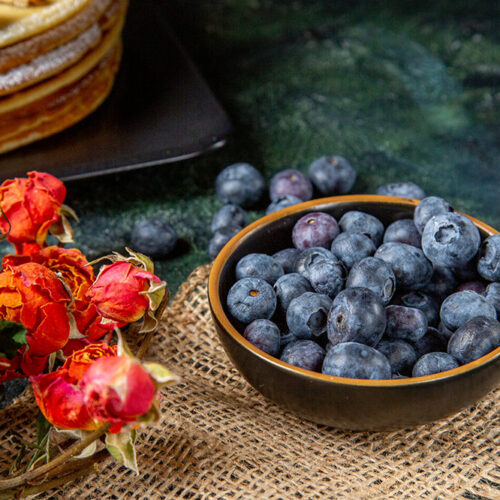
Chronic kidney disease, or chronic renal disease, is when the kidneys gradually lose their function. Since the kidneys’ primary function is to filter out wastes from the blood, their deteriorating function can lead to metabolic wastes building up in the body, making the person unwell. Therefore, the basic idea of a kidney-friendly meal is to limit the consumption of food rich in sodium, potassium, calcium, and phosphorous. So let’s learn about what foods are ideal. Foods to eat: Blueberries Blueberries are known as a “superfood” for a good reason, as antioxidants are abundant in this berry. They are also a low-calorie fiber and vitamin C source and contain only low potassium levels. Hence, these are good for kidney patients. Alternatively, raspberries, strawberries, and cranberries are other fruits equally suitable for those with stable renal conditions. Olive Oil The best supplement to any meal plan imaginable is olive oil. Its low sodium, potassium, and phosphorus concentrations make it highly edible for people with renal issues. Its high concentration of beneficial monounsaturated fats makes it the ideal cooking oil for kidney patients and healthy individuals. Extra virgin or virgin olive oils should be purchased as they contain more antioxidants. For example, one may use olive oil in cooking, salad dressings, bread dipping, and vegetable marinades.

Our
Blog.

5 styling ideas for women over 60

5 styling ideas for women over 60

Age is a number when setting a true style statement. Regardless of anyone’s perception, just because you are reaching the 60s doesn’t imply to stop working on your appearance and renounce your desires to look fabulous. Fashion is not just merely about trends; it is about how you express yourself through clothes as the myths of age must not limit your expression. So, here are a few best styling ideas for women over 60: Embrace your age One of the most typical fashion mistakes people make is choosing outfits that are supposed to make them appear younger than their actual age. The problem with such a choice is that you are paradoxically accentuating your age when you try to look younger by wearing an outfit that will be more appropriate for youngsters. For example, if you don high heels, short skirts, or flashy fashions that might be more appropriate for a person half your age, you are indirectly making yourself appear “older.” Instead, you can opt for clothes that are specially tailored for women your age. Sporting “age-appropriate” dresses will conceal your age and make others appreciate your other features like glowing skin or your build. And consequently, you will appear much younger than your actual age.
Read More
5 tips to prevent and manage ulcerative colitis

5 tips to prevent and manage ulcerative colitis

Ulcerative colitis is a long-term inflammatory disease that triggers inflammation and ulcers in the digestive system. It impacts the colon and rectum’s innermost lining. The symptoms are typically produced over a period rather than unexpectedly. According to the latest studies, about 1 million people have ulcerative colitis, and if left untreated, it can be crippling and cause life-threatening conditions. So, here are 5 tips to prevent and manage ulcerative colitis: Get on with the treatment plan immediately Even though there is no concrete cure for ulcerative colitis, proper treatment can help ease the symptoms and signs of the condition and eventually provide long-term remission. If a patient feels that their bowel habits are consistently changing or if they experience any of the following symptoms and signs, they should immediately consult a doctor: Blood in stool Ongoing diarrhea that is not getting cured by any other types of treatments An unknown fever going on for more than a day or two Abdominal pain Diarrhea that wakes up the patient from sleep The treatments prescribed by the doctor will typically include a combination of oral therapy or surgery. As far as oral treatments are concerned, the doctor may prescribe any of the following types of therapies, depending on the patient’s existing condition:
Read More