11 common side effects of drinking insufficient water

11 common side effects of drinking insufficient water
Nearly 80 percent of the body is made of water. Every tissue, cell, and organ requires water for optimal functioning. Moreover, all bodily processes, from digestion to blood circulation, need water. Water is essential to flush out toxins from the body, carry oxygen to every organ, carry essential nutrients to all body parts, and maintain skin and hair health. Needless to say, there can be several side effects from not drinking enough water. Constant headaches One of the most common side effects of not drinking enough water is experiencing persistent headaches. This is because insufficient water causes an imbalance of electrolytes and fluids in the body. The fluid loss causes the tissues in the brain to shrink or contract. As the brain shrinks, it starts to pull away from the skull, putting pressure on the nerves. This is what causes the constant headaches. Constipation When sufficient water is in the body, the colon takes it from the bloodstream to the intestines. This is done to soften and bulk up the stools. However, when you don’t drink sufficient water, there is not enough for the digestion process to complete. As a result, the stool becomes hard, and there are motility issues since the hardened stool cannot pass through the system.

12 Pain Symptoms to Never Ignore

12 Pain Symptoms to Never Ignore
Pain is the brain’s signaling that something is wrong with an organ or function in the body. Everybody experiences some form of pain that can be mild or severe, depending on the underlying cause. No two people experience pain the same way as it develops, varying in intensity and frequency. However, certain types of pain develop as a precursor to known health complications. Here are the ones to never ignore. Intense headache pain Headaches may come and go, but if it persists longer than usual with sharp bouts of pain, check it. Any injury, stroke, or brain aneurysm can trigger intense pain that develops almost immediately and persists without relief. With headaches, one might also experience specific neurological symptoms like confusion, pain on one side, weakness, and even seizures that develop without warning. Chest pain Pain that develops abruptly in the chest without prior progression could indicate a blocked artery or become a precursor to major cardiovascular problems. This pain is accompanied by a pressure or squeezing sensation in the chest that affects breathing. One might also experience dizziness or develop fatigue as the pain worsens. Blood clots in the arteries trigger these symptoms that should not be ignored. Remember, heart attacks do not develop out of the blue.

6 useful period products for women

6 useful period products for women
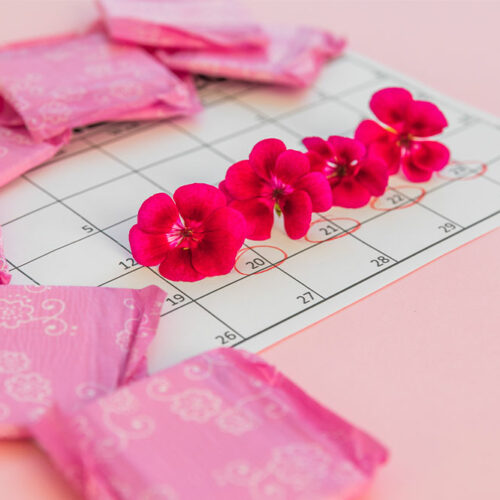
Menstruation is a natural body process where the lining of a woman’s uterus begins to shed and create a discharge of blood and other fluids. It is mainly triggered by hormone changes that occur as part of a monthly period cycle. Women can use several feminine hygiene products as per their preference to prevent the discharge from leaking. Here are the top six period products readily available in the market. Tampons Tampons are the most convenient, readily available, and widely used period products for absorbing menstrual discharge. These small cotton tubes mixed with wool are directly inserted into the vagina to prevent blood from leaking out. Cotton is an excellent absorbent material and does not irritate the organ’s lining. Tampons are use-and-throw products that come with applicators that help insert them correctly so one does not feel pain or discomfort. They are available in different sizes to absorb light, medium, or heavy periods, depending on the intensity of the menstrual cycle. But irrespective of the flow, doctors recommend changing tampons every four to six hours to keep the area clean and avoid the risk of a bacterial infection. If one wears a super-absorbent, heavy-flow tampon overnight, they should remove it and clean the area first thing in the morning.

Effects of Sleeping Positions on Sleep

Effects of Sleeping Positions on Sleep
Sleep is an essential part of daily routine. As you rest and relax during the night, the body carries out repair and restoration processes to help you stay healthy. The position and level of comfort while asleep can affect this process. Certain sleeping positions may cause or worsen pain, exert stress on the spine, or increase stiffness in the back. Here is a look at how sleeping positions can affect sleep: Finding the best sleeping position When it comes to sleep, there is no one-size-fits-all solution. Your ideal sleeping position depends on factors such as your health, lifestyle, spinal alignment, and comfort. However, sleeping on the back or side is generally considered more beneficial than sleeping on your stomach. This is because your spine is better supported and balanced in the former, making room for pressure relief and muscle relaxation. Sleeping on your side A whopping 60% of adults sleep on their sides. For children, it is common to alternate between different sleeping positions, but as the flexibility of the spine decreases, there is a clear preference for side sleeping. Sleeping on the side is associated with several health benefits, like promoting healthy spinal alignment, reducing pain in the neck and the back, and decreasing the risk of heartburn and snoring.

7 uncomfortable questions to ask a gynecologist

7 uncomfortable questions to ask a gynecologist
It can be highly beneficial to have a reliable gynecologist to ensure optimal reproductive health. Some individuals may feel uneasy discussing personal matters with their gynecologist. Hence, finding a doctor who creates a safe and comfortable environment is crucial. A proficient gynecologist will provide factual and informative responses to all sensitive inquiries without causing any embarrassment or judgment. The following are some questions that can be asked during a gynecologist appointment: What is my vulva supposed to look like? It is extremely normal to be curious about the vulva. Is it too big, too small, too dark? These are some of the common questions most women have about their bodies. A vulva is different in every woman, and it is completely normal. A good gynecologist will help one understand this easily and can explain that this is just a part of the genitals, and as long as it is healthy, one does not have anything to worry about. Should I shave or wax before visiting? Some may question whether it is appropriate to wax, trim, or shave pubic hair before going for a doctor’s visit. This is a valid question; the right answer is to do what makes one feel comfortable.

8 common early signs of cancer

8 common early signs of cancer
Cancer, irrespective of the type, is a huge health concern around the world. Today, thanks to major improvements in screening technology, doctors are able to prove an early diagnosis of the condition, encouraging prompt and appropriate treatment. However, while keeping an eye out for the condition, one must remember that signs can vary depending on factors such as the size of the tumor, its impact on nearby organs and tissues, and its progression. Common early signs Fatigue Most people usually experience fatigue after exertion. But when dealing with cancer, the fatigue sets in without engaging in intense physical activities. Such exhaustion can hinder day-to-day activities. Just like normal cells in the body, the cancer cells thrive on nutrients to grow, leaving little for other healthy cells. This deprivation can make one feel extremely tired throughout the day. Changes in bowel movements One of the early warning signs of cancer is changes in bowel movement. Further, colorectal cancer affects the colon and rectum, causing symptoms like diarrhea and constipation, which can further contribute to fatigue. Such changes can be accompanied by persistent pain in the abdomen and pelvic region. Bloating While bloating can cause discomfort, most people believe it to be harmless.

Our
Blog.

5 styling ideas for women over 60

5 styling ideas for women over 60

Age is a number when setting a true style statement. Regardless of anyone’s perception, just because you are reaching the 60s doesn’t imply to stop working on your appearance and renounce your desires to look fabulous. Fashion is not just merely about trends; it is about how you express yourself through clothes as the myths of age must not limit your expression. So, here are a few best styling ideas for women over 60: Embrace your age One of the most typical fashion mistakes people make is choosing outfits that are supposed to make them appear younger than their actual age. The problem with such a choice is that you are paradoxically accentuating your age when you try to look younger by wearing an outfit that will be more appropriate for youngsters. For example, if you don high heels, short skirts, or flashy fashions that might be more appropriate for a person half your age, you are indirectly making yourself appear “older.” Instead, you can opt for clothes that are specially tailored for women your age. Sporting “age-appropriate” dresses will conceal your age and make others appreciate your other features like glowing skin or your build. And consequently, you will appear much younger than your actual age.
Read More
5 tips to prevent and manage ulcerative colitis

5 tips to prevent and manage ulcerative colitis

Ulcerative colitis is a long-term inflammatory disease that triggers inflammation and ulcers in the digestive system. It impacts the colon and rectum’s innermost lining. The symptoms are typically produced over a period rather than unexpectedly. According to the latest studies, about 1 million people have ulcerative colitis, and if left untreated, it can be crippling and cause life-threatening conditions. So, here are 5 tips to prevent and manage ulcerative colitis: Get on with the treatment plan immediately Even though there is no concrete cure for ulcerative colitis, proper treatment can help ease the symptoms and signs of the condition and eventually provide long-term remission. If a patient feels that their bowel habits are consistently changing or if they experience any of the following symptoms and signs, they should immediately consult a doctor: Blood in stool Ongoing diarrhea that is not getting cured by any other types of treatments An unknown fever going on for more than a day or two Abdominal pain Diarrhea that wakes up the patient from sleep The treatments prescribed by the doctor will typically include a combination of oral therapy or surgery. As far as oral treatments are concerned, the doctor may prescribe any of the following types of therapies, depending on the patient’s existing condition:
Read More