9 habits and lifestyle choices that trigger heartburn
9 habits and lifestyle choices that trigger heartburn
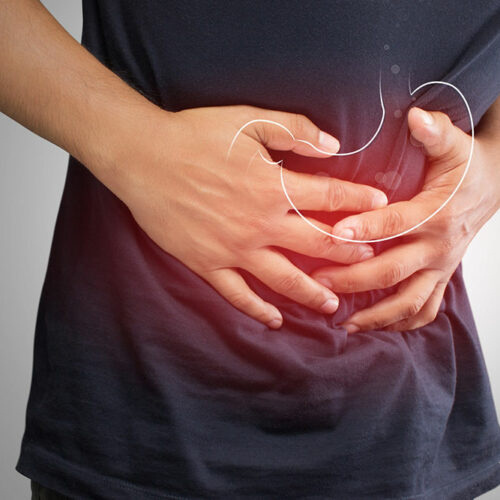
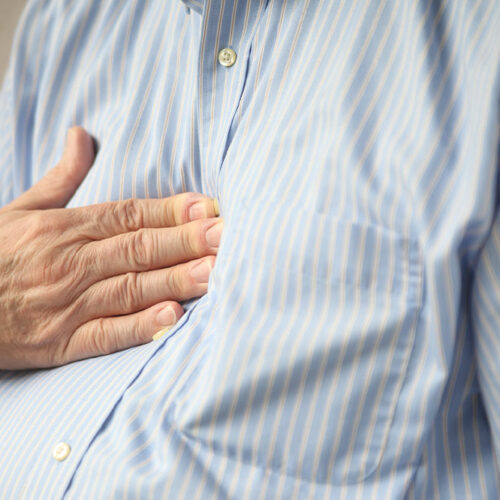
Acid reflux, commonly referred to as heartburn, is a discomfort that most adults experience on a regular basis. The stomach holds digestive juices that break down the foods and beverages consumed before moving them along the digestive tract. When these juices flow back up the esophagus, the resulting burning sensation and discomfort is called acid reflux. Here are some known causes, triggers, and habits that may inadvertently worsen the condition. Having a large meal The body can only absorb and process a certain amount of nutrients from foods and beverages consumed daily. Overeating only adds extra calories that remain unprocessed and adds to the body mass index, triggering the risk of high body fat, among other complications. Putting pressure on the stomach forces the gastric foods back up the esophagus. This happens as the esophageal sphincter relaxes, opening the valve connecting the end of the esophagus with the top of the stomach. The acidity content of these gastric juices is extremely high, and the upwards regurgitation is what triggers painful heartburn. Instead of having a large meal, doctors advise splitting up the same food into smaller portions and having smaller meals every couple of hours. Wearing clothing that presses against the stomach Wearing tight fitting clothes may be a stylish fashion choice, but this habit can trigger heartburn.


Signs of eosinophilic esophagitis in children

Signs of eosinophilic esophagitis in children
Eosinophilic esophagitis (EoE) is a relatively rare, chronic condition that can affect children. It’s characterized by inflammation of the esophagus, often in response to allergens or other triggers. While EoE can be challenging to diagnose, recognizing early signs is essential for timely intervention and effective management. Here is a comprehensive guide to better understanding the common signs of eosinophilic esophagitis in children, providing an understanding of this condition for parents and caregivers. What it is Eosinophilic esophagitis (EoE) is a chronic inflammatory condition primarily affecting the esophagus, the tube carrying food from the mouth to the stomach. In individuals with EoE, the esophageal tissue becomes infiltrated with eosinophils, a type of white blood cell that plays a role in allergic reactions and immune responses. Eosinophils in the esophagus cause inflammation, leading to uncomfortable and potentially severe symptoms. While the exact cause of EoE remains unclear, it is believed to be related to genetic factors, environmental triggers, and allergies. Allergens such as pollen, certain foods, or airborne allergens may contribute to the development or exacerbation of EoE. Following are the common signs of eosinophilic esophagitis in children: Difficulty swallowing (dysphagia) One of the hallmark signs of EoE in children is difficulty swallowing, known as dysphagia.

25 signs and symptoms of pneumonia to know of

25 signs and symptoms of pneumonia to know of
Pneumonia is a common respiratory infection that can affect people of all ages, causing various symptoms that vary in severity. At the same time, many are familiar with the hallmark signs such as fever and cough, shortness of breath, chest pain, and numerous other indicators that can point to pneumonia. This comprehensive article thoroughly explores pneumonia’s signs and symptoms, helping individuals recognize the condition early and seek appropriate medical care. Fever Fever is one of the most prevalent symptoms of pneumonia. It typically presents with a high body temperature, often exceeding 100.4°F (38°C). Fever is the body’s natural response to infection and signifies that the immune system is actively fighting the pneumonia-causing pathogens. Cough A persistent cough is another hallmark symptom. It can produce different types of mucus, including yellow, green, or bloody. The cough may be accompanied by chest pain or discomfort ranging from mild to severe. Shortness of breath Many individuals with pneumonia experience shortness of breath, particularly when engaging in physical activities. This symptom occurs due to the inflammation and infection within the lungs, making it challenging for the respiratory system to function optimally. Chest pain Chest pain is often described as a sharp or stabbing sensation typically felt on the side of the affected lung.

9 common oil change mistakes car owners must avoid

9 common oil change mistakes car owners must avoid
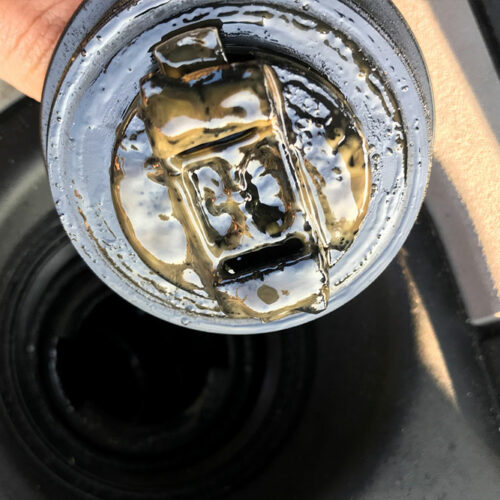
Regular oil changes are essential for maintaining the performance and longevity of any vehicle’s engine. A well-maintained engine ensures smooth and efficient output and extends the life of the car. However, many car owners make mistakes when it comes to these routine maintenance tasks. Something as simple as an oil change can significantly impact the performance if done incorrectly. Here are some of the most common oil change mistakes that car owners must avoid. Neglecting the recommended oil change interval One of the most significant mistakes car owners make is ignoring the recommended oil change interval. Every vehicle has a manufacturer’s recommendation that suggests when the oil should be changed periodically. This interval is typically based on factors like the type of oil used, driving conditions, and the specific engine design. Ignoring or extending this interval can lead to significant engine damage and decreased fuel efficiency. Check the Dodge owner’s manual and adhere to the suggested oil change schedule to keep the engine running optimally. Using the wrong type of oil Choosing the wrong type of oil is another common mistake that can have serious consequences for the engine. Dodge engines are designed to operate with specific oil viscosities and formulations.

12 early symptoms of gastric cancer

12 early symptoms of gastric cancer
Gastric cancer, also known as stomach cancer, is a severe health condition that silently develops within the stomach lining, often without noticeable symptoms in its early stages. This makes early detection and diagnosis challenging, as the disease is frequently diagnosed at an advanced stage with limited treatment options. However, understanding the early warning signs and symptoms associated with gastric cancer can be crucial for early intervention and improved prognosis. Let’s look at some of them. Persistent indigestion One of gastric cancer’s earliest and most common symptoms is persistent indigestion or dyspepsia. If one frequently experiences discomfort or pain in the upper abdomen, accompanied by bloating, heartburn, or a feeling of fullness even after consuming small meals, it could be a sign that something is amiss. While indigestion is often attributed to food choices or stress, it should not be ignored if it persists for weeks or months. Swelling or enlargement of the abdomen region In some cases, gastric cancer can cause the stomach to enlarge or swell due to the growth of the tumor. This enlargement may lead to a visible and palpable mass in the abdominal area. So, if one notices unusual swelling or enlargement of the abdomen that cannot be attributed to bloating, it is essential to seek medical attention promptly.

Bipolar disorder – Its types and early signs

Bipolar disorder – Its types and early signs
Bipolar disorder is a mental health disorder characterized by extreme moods, either significantly high or low. The high periods are referred to as mania or hypomania, and the low moods are called depression. However, the moods can sometimes be concurrent, meaning individuals with bipolar disorder may have manic and depressive symptoms at once. The condition is usually difficult to diagnose; however, some signs can detect bipolar disorder early, and treatment can be started accordingly. Types and symptoms Often, the signs and symptoms of bipolar disorder overlap with those of other conditions, so it becomes difficult to diagnose it timely, which can delay treatment. However, there are now some criteria laid out by the Diagnostic and Statistical Manual of Mental Disorders that help recognize bipolar disorder. There are four types of bipolar disorders, and the symptoms vary according to the type of the condition. These are as follows: 1. Bipolar I This type is diagnosed when the individual experiences manic episodes. The symptoms are as follows: This includes a significant shift in the behavior and mood of the person. These mood changes are often unlike the person’s personality or usual behavior, making it evident that something is wrong. A manic episode is also considered manic when it is present most of the day and nearly daily.

Our
Blog.

5 styling ideas for women over 60

5 styling ideas for women over 60

Age is a number when setting a true style statement. Regardless of anyone’s perception, just because you are reaching the 60s doesn’t imply to stop working on your appearance and renounce your desires to look fabulous. Fashion is not just merely about trends; it is about how you express yourself through clothes as the myths of age must not limit your expression. So, here are a few best styling ideas for women over 60: Embrace your age One of the most typical fashion mistakes people make is choosing outfits that are supposed to make them appear younger than their actual age. The problem with such a choice is that you are paradoxically accentuating your age when you try to look younger by wearing an outfit that will be more appropriate for youngsters. For example, if you don high heels, short skirts, or flashy fashions that might be more appropriate for a person half your age, you are indirectly making yourself appear “older.” Instead, you can opt for clothes that are specially tailored for women your age. Sporting “age-appropriate” dresses will conceal your age and make others appreciate your other features like glowing skin or your build. And consequently, you will appear much younger than your actual age.
Read More
5 tips to prevent and manage ulcerative colitis

5 tips to prevent and manage ulcerative colitis

Ulcerative colitis is a long-term inflammatory disease that triggers inflammation and ulcers in the digestive system. It impacts the colon and rectum’s innermost lining. The symptoms are typically produced over a period rather than unexpectedly. According to the latest studies, about 1 million people have ulcerative colitis, and if left untreated, it can be crippling and cause life-threatening conditions. So, here are 5 tips to prevent and manage ulcerative colitis: Get on with the treatment plan immediately Even though there is no concrete cure for ulcerative colitis, proper treatment can help ease the symptoms and signs of the condition and eventually provide long-term remission. If a patient feels that their bowel habits are consistently changing or if they experience any of the following symptoms and signs, they should immediately consult a doctor: Blood in stool Ongoing diarrhea that is not getting cured by any other types of treatments An unknown fever going on for more than a day or two Abdominal pain Diarrhea that wakes up the patient from sleep The treatments prescribed by the doctor will typically include a combination of oral therapy or surgery. As far as oral treatments are concerned, the doctor may prescribe any of the following types of therapies, depending on the patient’s existing condition:
Read More