7 common concrete leveling mistakes to avoid
7 common concrete leveling mistakes to avoid
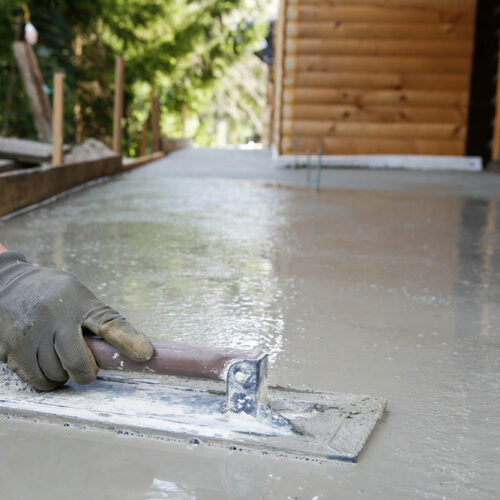
Concrete leveling, also known as concrete lifting, raising, and slabjacking, is an activity that utilizes concrete to correct uneven or sunken surfaces. This process involves lifting, elevating, and straightening concrete to restore it to its original position. It also involves a lot of planning, installing, and maintaining the concrete. Hiring contractors or home repair experts is recommended for the job, as looking for DIY options may lead one to make common mistakes. Failing to have all the necessary tools Many concrete leveling mistakes overlap with those in concrete pouring, as these two tasks have several similarities and serve the same purpose. One of the most elementary errors people make during DIY concrete leveling is not having the necessary tools before starting the project. Concrete dries quickly, so if a person has already filled in wet cement within a gap on a concrete surface, they have limited time to smooth out the surface before the cement hardens. The entire project can be compromised if one does not have the required tools to smoothen and level the surface in time. So, one must create a checklist of all the tools needed for the leveling project before starting the task. Assuming that all concrete is the same Many assume that all concrete available in the market is the same.


6 common junk removal mistakes and how to avoid them

6 common junk removal mistakes and how to avoid them
Junk removal is one of those tasks that nobody enjoys, but it is essential and cannot be avoided under any circumstances. It includes decluttering homes, removing unwanted objects from one’s house, or renovating a given room or space. Getting rid of junk from one’s house or workplace is fairly straightforward, yet people tend to make certain typical mistakes that undermine the process. Using common creativity, people can avoid these mistakes. Not knowing what to get rid of Like any major home renovation or repair job, planning is essential before starting the junk removal process in one’s house or workplace. The right place to start is to list what one needs to remove from one’s property. A major mistake people make is keeping unused objects far longer than they need or want. After a while, those objects lose their functionality anyway, and as they pile up in store rooms, they make homes disorganized. A list of everything one wants to get rid of should involve every object that makes one’s house more stuffed. One needs to be realistic, ruthless, and not sentimental while making the list of things to bin from their house. Overestimating what one can handle Junk removal is not a task many people look forward to, and some tend to take on too many tasks.

Warning signs of Crohn’s disease

Warning signs of Crohn’s disease
Crohn’s disease is a type of IBD, or inflammatory bowel disease, that causes digestive tract inflammation. The inflammation may involve various areas of the digestive tract in people and progresses to deeper bowel layers. It can be debilitating and painful and might result in life-threatening complications. Even though there is no cure for Crohn’s disease, the knowledge of earning warning signs can help with better management. Here are the most prevalent Crohn’s signs: Rectal bleeding Since you have inflamed bowels, it might result in ulcer development. These ulcers may be large enough to bleed when you have a bowel movement. Hemorrhoids are also associated with IBD and are a top source of rectal bleeding. Anytime you experience blood in the stool, you must get it evaluated at the earliest and not ignore it. Anal fissure A tear in the anal canal or the anus lining is known as the anal fissure. It is usually painful and may also bleed. Unfortunately, it may develop at any age, but the risk of developing anal fissures lowers as you grow older. Moreover, people who have experienced anal fissures in the past are more susceptible to experiencing them again. Diarrhea It is another one of the top signs associated with Crohn’s disease.

6 mistakes to avoid when applying for a personal loan

6 mistakes to avoid when applying for a personal loan
Personal loans are often the go-to solution for meeting urgent monetary needs like paying for major home improvements or repairs, making large purchases, or medical expenses. Today, online banking solutions have made applying for personal loans easier. However, as with any type of borrowing, one needs to do their research and be careful while taking out a personal loan. Rushing the process to secure instant personal loans can lead to lapses and unwanted surprises. 1. Not checking the credit score When planning to apply for a loan, the first thing to do is check the credit score. One’s credit score is what determines their eligibility for securing a loan and the interest rate on the loan. The higher the credit score, the better rates one will be offered by lenders. This is because a good credit score tells lenders that the borrower has so far been careful with debt repayment, making them seem trustworthy. So, before applying for a loan, one must check their credit report and review their credit history carefully. This way, one can review existing debt and loan repayment that could affect their personal loan application and ability to repay the new loan. The step also helps one set realistic expectations while seeking a loan.

6 travel insurance mistakes to avoid when holidaying abroad

6 travel insurance mistakes to avoid when holidaying abroad
Travel insurance is a must for those who are planning a trip. It helps safeguard trip expenses from unforeseen issues that may arise during a vacation. Certain mistakes can undermine the effectiveness and scope of a travel insurance policy, preventing travelers from getting the full benefits of insurance policies. It is crucial to know what these mistakes are so that one can fully avail themselves of the benefits of travel insurance. 1. Choosing the cheapest or most convenient policy It is common practice for people to take the option that is within their easiest reach, which is why many travelers who are going to travel abroad tend to rely on their credit card coverage for all members for the entire holiday. Many people also assume that the coverage includes medical travel expenses as well. In most cases, the coverage is woefully limited, especially for international travel, and medical expenses are not covered by it. People may also gravitate towards the cheapest travel insurance policies to save on premium costs. These policies have very limited coverage in terms of distance and monetary amount. To avoid these problems, people need to check the scope of an insurance policy before buying it. Also, it makes sense for those traveling abroad to buy premium or expensive insurance policies, as they come with maximum coverage.

9 things a home warranty does not cover

9 things a home warranty does not cover
A home warranty is a service contract that offers financial cover for the wear and tear of a home’s appliances and systems. So, if something breaks down, the homeowner does not have to bear the cost of repairs. Rather, the warranty company will cover the expenses. But it is important to note that a home warranty does not cover all repairs. When signing the contract, one must take note of the exclusions. Cosmetic repairs Cosmetic repairs are made solely for aesthetics or to improve the home’s appearance. A home warranty does not cover such repairs. It only covers the cost of damages caused by normal wear and tear. For instance, if an oven breaks down or stops working during regular use, homeowners can expect the home warranty to cover the expenses. The contract will not cover the price of fixing scratches or dents on the oven because it counts as cosmetic repairs. Outdoor elements Another big thing a home warranty excludes is the cost of repairing fixtures outside the house. Examples are pools, spas, and septic systems. The contract may also leave out outdoor plumbing systems and their parts, like sprinklers, faucets, and valves. While most home warranty companies do not cover these things in their standard package, some offer add-ons that include outdoor elements.

Our
Blog.

5 styling ideas for women over 60

5 styling ideas for women over 60

Age is a number when setting a true style statement. Regardless of anyone’s perception, just because you are reaching the 60s doesn’t imply to stop working on your appearance and renounce your desires to look fabulous. Fashion is not just merely about trends; it is about how you express yourself through clothes as the myths of age must not limit your expression. So, here are a few best styling ideas for women over 60: Embrace your age One of the most typical fashion mistakes people make is choosing outfits that are supposed to make them appear younger than their actual age. The problem with such a choice is that you are paradoxically accentuating your age when you try to look younger by wearing an outfit that will be more appropriate for youngsters. For example, if you don high heels, short skirts, or flashy fashions that might be more appropriate for a person half your age, you are indirectly making yourself appear “older.” Instead, you can opt for clothes that are specially tailored for women your age. Sporting “age-appropriate” dresses will conceal your age and make others appreciate your other features like glowing skin or your build. And consequently, you will appear much younger than your actual age.
Read More
5 tips to prevent and manage ulcerative colitis

5 tips to prevent and manage ulcerative colitis

Ulcerative colitis is a long-term inflammatory disease that triggers inflammation and ulcers in the digestive system. It impacts the colon and rectum’s innermost lining. The symptoms are typically produced over a period rather than unexpectedly. According to the latest studies, about 1 million people have ulcerative colitis, and if left untreated, it can be crippling and cause life-threatening conditions. So, here are 5 tips to prevent and manage ulcerative colitis: Get on with the treatment plan immediately Even though there is no concrete cure for ulcerative colitis, proper treatment can help ease the symptoms and signs of the condition and eventually provide long-term remission. If a patient feels that their bowel habits are consistently changing or if they experience any of the following symptoms and signs, they should immediately consult a doctor: Blood in stool Ongoing diarrhea that is not getting cured by any other types of treatments An unknown fever going on for more than a day or two Abdominal pain Diarrhea that wakes up the patient from sleep The treatments prescribed by the doctor will typically include a combination of oral therapy or surgery. As far as oral treatments are concerned, the doctor may prescribe any of the following types of therapies, depending on the patient’s existing condition:
Read More