A guide to choosing the right mosquito repellent device
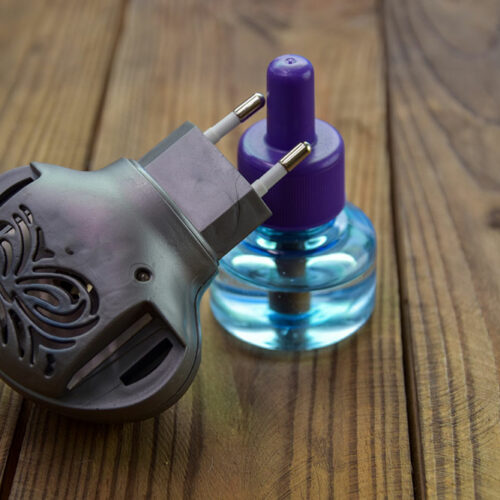
A guide to choosing the right mosquito repellent device
It is important to choose the right repellent device to protect oneself from mosquitoes. With various available options, understanding what to look for in mosquito repellent devices is essential. Effective repellents should be easy to use, safe, and provide protection for a longer duration. From nets to electronic devices, finding the right repellent can make a significant difference in warding off these insects. Some important factors should be considered when selecting a mosquito repellent device. What to look for in a mosquito repellent device? Before buying a mosquito repellent device, one should consider a few factors to ensure one chooses the right device. For instance, if there are children in the family, one should look for mosquito repellent devices that are safe for the skin and the respiratory system. Here are some factors that individuals should consider while looking for one: 1. The size of the area the device can cover There are many types of mosquito-repellent devices on the market. One should choose a device based on the size and dimensions of the area the device can cover. For instance, small portable devices are ideal for indoor spaces, like homes and small rooms, while one can consider installing a larger or permanent system for large areas.
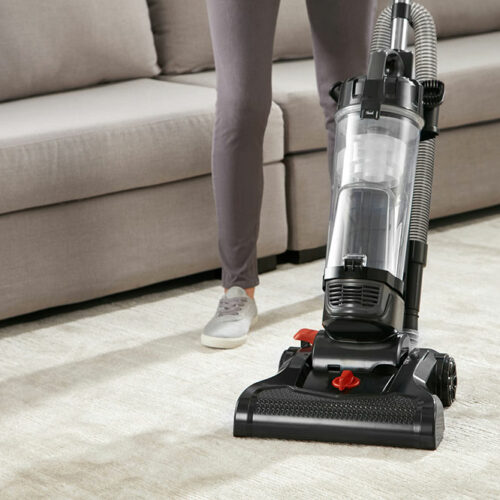

6 common mistakes people make when vacuuming

6 common mistakes people make when vacuuming
While most homes in the country have vacuum cleaners, only a few homeowners know how to use the device correctly. Although this versatile home appliance is convenient, it is an investment. However, by simply learning how to handle the machine, you can use it lifelong. Thankfully, most of the mistakes are avoidable. Let’s take a look at the six most common vacuuming mistakes that we tend to make and how to avoid them. Six common vacuuming mistakes to avoid Vacuuming in one direction This is the most common mistake homeowners tend to make. People often use the cleaner in a single direction. However, the appliance is designed to operate in both directions. When you use the cleaner in one direction, it sucks up the dust and grime from one direction and leaves behind the contaminants from the other side. However, when you use the appliance in both directions, a higher concentration and percentage of stubborn allergens, dirt, hair strands, and dust get removed. Optimal use of the device is possible only with bi-directional usage. Using the machine too fast Most people believe that since the vacuum cleaner is a machine, it can do the work fast. While it is faster than manually dusting and brooming the floor, it still takes time to clean the place.

4 insurance mistakes first-time boat buyers should avoid

4 insurance mistakes first-time boat buyers should avoid
Owning a boat can be an exciting experience. Whatever the reason for buying a boat—adventure, transportation, or leisure—a lot of thought and consideration need to go into the decision. After all, a boat can be quite expensive and prone to risks. So, first-time boat buyers need to do their research to choose the right boat and also maintain it. They also need to choose the right insurance policy to minimize the risks of boat ownership. 1. Assuming existing insurance will suffice Most homeowners’ and renters’ insurance policies offer some coverage for boats. But, the coverage has many limitations. For instance, a home insurance policy offers coverage of around $1,500 for damages to a boat. Apart from this, some policies offer liability coverage, but only if the boat meets specific criteria. For example, the boat must be under 26 feet long, and the motor must be under 75 horsepower. So, if any other boat is destroyed or damaged, one will not be able to fully recover the entire cost of the boat. Besides, most home and renters’ insurance policies do not offer coverage for certain kinds of damage, such as sinking, collision, and disablement. Also, these policies will have higher deductibles compared to dedicated boat insurance.

20 Delicious Allergy-Free Snacks for Kids

20 Delicious Allergy-Free Snacks for Kids
Children lead an active lifestyle. So naturally, they work up an appetite and crave foods to satiate these hunger pangs. But you wouldn’t want your children to eat too much of foods that are excessive in added sugar, vegetable oil, and preservatives and trigger their allergies. To avoid this, you can pack healthy lunches that include the following wholesome and allergy-free snacks that they will love to enjoy during breaks. Popcorn Kids can munch on this tasty, filling, and allergy-free snack all day long. Popcorn is low in calories and rich in nutrients that are easily absorbed by the body. It is a whole grain, so the corn kernels are filled with fiber that helps curb hunger pangs and keeps kids satiated throughout the day. Baked nachos Baked nachos are gluten-free and contain essential fibers, and are delicious snacks that kids can munch on. You can even make some homemade salsa dips with fresh tomatoes, cilantro, and lime. You can also whip up some fresh guacamole with avocados to pair it with nachos. Homemade fries Instead of potato fries, why not make sweet potato fries that are healthier and allergy-free? You can even use an air fryer or bake the chips in the oven to make them oil-free and retain nutrients.

Muscular dystrophy – Signs and management options

Muscular dystrophy – Signs and management options
Muscular dystrophy is a group of genetic muscle disorders that cause the progressive weakening and degeneration of muscle tissue. These conditions can affect people of all ages and cause various degrees of muscle weakness and disability. Early detection and subsequent treatments can significantly improve the quality of life for those affected. Here are some early warning signs of muscular dystrophy and treatment options. Muscle weakness Muscle weakness is often one of the earliest signs of muscular dystrophy. Muscular dystrophy is characterized by the deterioration of muscle fibers, making them less capable of contracting and generating force. As muscle fibers weaken and die, muscle strength diminishes. Affected individuals may experience difficulty performing simple tasks like lifting objects, climbing stairs, or getting up from a seated position. This weakness typically begins in the muscles closest to the trunk of the body and gradually spreads to other muscle groups. Frequent falls Muscle weakness can affect the stability and coordination required to maintain balance. As the muscles weaken, the ability to react quickly to changes in posture or movement diminishes, leading to an increased risk of falls. Children with muscular dystrophy may tend to fall more often than their peers, especially when running or participating in physical activities.

7 effective ways to manage bleeding disorders

7 effective ways to manage bleeding disorders
Bleeding disorders entail the body’s inability to clot blood as part of a biological process called hemostasis. In most cases, the person with the disorder bleeds spontaneously, without any known reason. At other times, there could be prolonged bleeding after surgery, a trauma, injury, or during menstruation. Besides treatment that the doctor suggests, there are ways to take care to prevent bleeding. These are the five ways to prevent the disorder effectively: Subcutaneous injection instead of intramuscular vaccination and immunization shots In general, immunizations and vaccinations are given into a muscle or intramuscularly. In this case, whether it is an adult or a child who needs to take the vaccine, the nurse and the doctor should be aware that the person has a clotting-related disorder. In such cases, nurses take precautions to apply the vaccine under the skin or subcutaneously. Also, the typical needle is never used. Instead, a smaller needle is used for vaccination. Once the injection has been applied, ice is applied to the spot with pressure for 5 – 10 minutes to prevent bleeding. Children with a bleeding disorder should take necessary precautions If a child suffers from hemophilia type A, they must wear a helmet while riding a bicycle to prevent head injuries in case of an accident.

Our
Blog.

5 styling ideas for women over 60

5 styling ideas for women over 60

Age is a number when setting a true style statement. Regardless of anyone’s perception, just because you are reaching the 60s doesn’t imply to stop working on your appearance and renounce your desires to look fabulous. Fashion is not just merely about trends; it is about how you express yourself through clothes as the myths of age must not limit your expression. So, here are a few best styling ideas for women over 60: Embrace your age One of the most typical fashion mistakes people make is choosing outfits that are supposed to make them appear younger than their actual age. The problem with such a choice is that you are paradoxically accentuating your age when you try to look younger by wearing an outfit that will be more appropriate for youngsters. For example, if you don high heels, short skirts, or flashy fashions that might be more appropriate for a person half your age, you are indirectly making yourself appear “older.” Instead, you can opt for clothes that are specially tailored for women your age. Sporting “age-appropriate” dresses will conceal your age and make others appreciate your other features like glowing skin or your build. And consequently, you will appear much younger than your actual age.
Read More
5 tips to prevent and manage ulcerative colitis

5 tips to prevent and manage ulcerative colitis

Ulcerative colitis is a long-term inflammatory disease that triggers inflammation and ulcers in the digestive system. It impacts the colon and rectum’s innermost lining. The symptoms are typically produced over a period rather than unexpectedly. According to the latest studies, about 1 million people have ulcerative colitis, and if left untreated, it can be crippling and cause life-threatening conditions. So, here are 5 tips to prevent and manage ulcerative colitis: Get on with the treatment plan immediately Even though there is no concrete cure for ulcerative colitis, proper treatment can help ease the symptoms and signs of the condition and eventually provide long-term remission. If a patient feels that their bowel habits are consistently changing or if they experience any of the following symptoms and signs, they should immediately consult a doctor: Blood in stool Ongoing diarrhea that is not getting cured by any other types of treatments An unknown fever going on for more than a day or two Abdominal pain Diarrhea that wakes up the patient from sleep The treatments prescribed by the doctor will typically include a combination of oral therapy or surgery. As far as oral treatments are concerned, the doctor may prescribe any of the following types of therapies, depending on the patient’s existing condition:
Read More