13 tasty foods for a healthy heart
13 tasty foods for a healthy heart
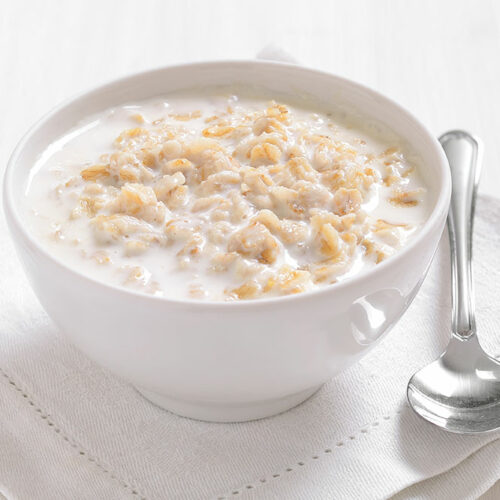
Cardiovascular diseases are prevalent in our country. Statistics suggest that one in every five fatalities is associated with heart problems. Therefore, it is essential to adopt an active lifestyle and follow a meal plan that improves heart health. The foods listed below taste great by themselves, and you can also mix them with other ingredients to make them more palatable. But seek a nutritionist’s guidance to avoid the aggravation of underlying health conditions. Oatmeal Most people consider oatmeal a breakfast food, but it is more than just that. Oatmeal can be had any time of the day, especially in the form of granola bars, whenever hunger pangs are bothering. It is rich in soluble fiber, which causes the liver to produce more bile. Bile, in turn, helps lower LDL cholesterol. So a bowl of oatmeal mixed with your favorite foods can be a great step toward a healthy heart. Black bean salsa When the cravings are for something delicious yet healthy, have some black bean salsa. It is packed with soluble fiber that brings down bad cholesterol levels to a healthy range. Add some veggies, corn, and mango for a splash of color and to get all the essential nutrients and vitamins.
7 snack ideas for lowering cholesterol levels

7 snack ideas for lowering cholesterol levels
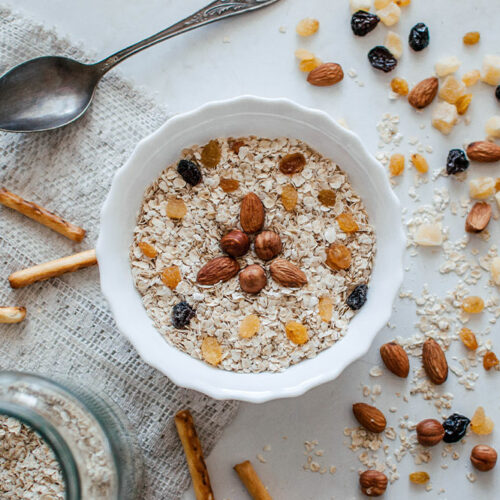
The CDC suggests that about 38% of adults in the country have high cholesterol levels. This puts them at risk of heart diseases and serious complications. So, it is important to regulate ones bad cholesterol levels by getting an adequate amount of heart-healthy fats and fiber. Adding sources like fruits, vegetables, seeds, nuts, whole grains, and legumes can help one get the necessary nutrients. So, here are seven snack ideas to lower one’s cholesterol levels: Oatmeal The versatility of oats is unmatched, so one can add them to any recipe of choice. Additionally, oatmeal is the go-to snack when it comes to lowering cholesterol. It is rich in soluble fibers that bind to cholesterol and flush them out before they can reach the bloodstream. Besides fiber, one serving of oatmeal contains high levels of protein and heart-friendly antioxidants. Fresh or dried fruits and honey are recommended additions to oatmeal as they can help achieve better results. Fruit bowl Fruit bowls are another way of adding low-cholesterol snacks into one’s daily diet. Fruits are incredibly rich in fiber and can make people feel full for extended periods. Additionally, they are a rich source of essential minerals and vitamins. Some of the most effective foods include almonds and fruits like berries and apples.

3 effective tips for relieving nasal congestion

3 effective tips for relieving nasal congestion
A stuffy or congested nose develops when nasal and adjacent tissues and the blood vessels are swollen with excess fluid, resulting in one’s nose feeling plugged. It may be accompanied by a runny nose or nasal discharge and can be especially uncomfortable for children. Nasal congestion can be a common symptom of allergies, cold and sinus infections, or even environmental irritants. However, one can manage nasal congestion by the following treatment options, foods, and remedies: Treatment options Allegra: As an antihistamine, Allegra lowers the impact of the natural chemical histamine in the body. This chemical can trigger symptoms like runny nose, watery eyes, itching, and sneezing. Allegra helps treat symptoms of seasonal allergies in both children and adults. This oral option can be taken on an empty stomach or 1–2 hours after a meal. It must not be consumed with fruit juices. One should consult a doctor for the dosage and check the label for instructions. Avoid using it for longer than recommended or in larger or small amounts than prescribed. Xyzal: This is also an antihistamine that can help with nasal congestion symptoms and can help overcome hives and skin itching. Like Allegra, Xyzal blocks histamine to relieve allergy symptoms.

8 mistakes to avoid when buying wearable medical devices

8 mistakes to avoid when buying wearable medical devices
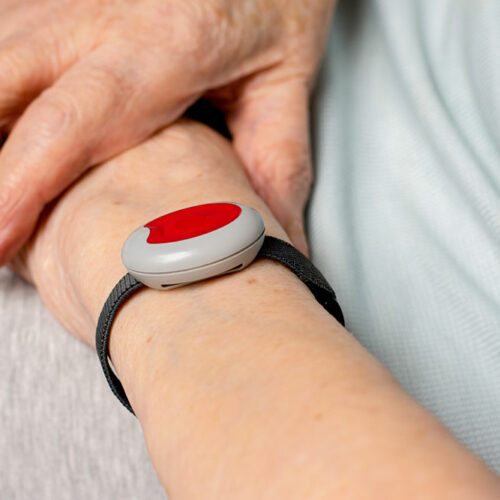
These days, medical technology isn’t limited to a distant machine available only at the doctor’s clinic. Wearable medical devices have redefined monitoring of body parameters, making it incredibly easy to ensure physical well-being right at home or even when traveling. Wearable medical devices have brought general healthcare closer to people and help prevent and diagnose any health issues early. However, buying the right wearable medical devices involves research and avoiding certain mistakes. 1. Not checking battery life Battery life is an important feature when checking wearable medical devices because it increases their convenience, especially if one travels and cannot charge them repeatedly. Also, if a person uses wearable ECG monitors and other devices, charging them frequently can be difficult. So, one should always ensure that such devices have long battery lives. 2. Overlooking the device’s resilience to different conditions People often have their wearable devices on themselves for almost an entire day. So, they might even have it on when stepping into the shower or stepping out during rain. Such wearable devices must be resilient to extreme weather conditions, including waterproofing, to avoid such issues. The manufacturers should be transparent about the materials used to manufacture the product and specify that the device is water and weather-resistant.

11 Simple Remedies for Managing Cold Sores

11 Simple Remedies for Managing Cold Sores
Cold sores appear in the form of blisters on the lips or the area around the mouth and are often a symptom of the herpes simplex virus. The blisters are filled with fluid and can break open and ooze. These usually crust over and go away in seven to ten days; however, the healing process may be painful. In such cases, the pain and discomfort can be alleviated using certain simple remedies for cold sores. Use aloe vera gel Aloe vera is known to have antiviral and anti-inflammatory properties. As a result, it has inhibitory characteristics. This is why applying aloe vera gel can give temporary relief from the pain and discomfort caused by cold sores. A little bit of pure aloe vera gel can be dabbed over the areas where cold sores have formed. This can be done three to four times a day until the cold sores heal. Wear sunscreen One of the main triggers of cold sores is sunburn. Prolonged exposure to the sun can cause cold sores to flare up. To avoid this, the application of sunscreen is often recommended. A broad-spectrum sunscreen preferably with minimum SPF 30 should be applied daily. This should be done at least 20 minutes before heading into the sun.

12 Pain Symptoms to Never Ignore

12 Pain Symptoms to Never Ignore
Pain is the brain’s signaling that something is wrong with an organ or function in the body. Everybody experiences some form of pain that can be mild or severe, depending on the underlying cause. No two people experience pain the same way as it develops, varying in intensity and frequency. However, certain types of pain develop as a precursor to known health complications. Here are the ones to never ignore. Intense headache pain Headaches may come and go, but if it persists longer than usual with sharp bouts of pain, check it. Any injury, stroke, or brain aneurysm can trigger intense pain that develops almost immediately and persists without relief. With headaches, one might also experience specific neurological symptoms like confusion, pain on one side, weakness, and even seizures that develop without warning. Chest pain Pain that develops abruptly in the chest without prior progression could indicate a blocked artery or become a precursor to major cardiovascular problems. This pain is accompanied by a pressure or squeezing sensation in the chest that affects breathing. One might also experience dizziness or develop fatigue as the pain worsens. Blood clots in the arteries trigger these symptoms that should not be ignored. Remember, heart attacks do not develop out of the blue.

Our
Blog.

5 styling ideas for women over 60

5 styling ideas for women over 60

Age is a number when setting a true style statement. Regardless of anyone’s perception, just because you are reaching the 60s doesn’t imply to stop working on your appearance and renounce your desires to look fabulous. Fashion is not just merely about trends; it is about how you express yourself through clothes as the myths of age must not limit your expression. So, here are a few best styling ideas for women over 60: Embrace your age One of the most typical fashion mistakes people make is choosing outfits that are supposed to make them appear younger than their actual age. The problem with such a choice is that you are paradoxically accentuating your age when you try to look younger by wearing an outfit that will be more appropriate for youngsters. For example, if you don high heels, short skirts, or flashy fashions that might be more appropriate for a person half your age, you are indirectly making yourself appear “older.” Instead, you can opt for clothes that are specially tailored for women your age. Sporting “age-appropriate” dresses will conceal your age and make others appreciate your other features like glowing skin or your build. And consequently, you will appear much younger than your actual age.
Read More
5 tips to prevent and manage ulcerative colitis

5 tips to prevent and manage ulcerative colitis

Ulcerative colitis is a long-term inflammatory disease that triggers inflammation and ulcers in the digestive system. It impacts the colon and rectum’s innermost lining. The symptoms are typically produced over a period rather than unexpectedly. According to the latest studies, about 1 million people have ulcerative colitis, and if left untreated, it can be crippling and cause life-threatening conditions. So, here are 5 tips to prevent and manage ulcerative colitis: Get on with the treatment plan immediately Even though there is no concrete cure for ulcerative colitis, proper treatment can help ease the symptoms and signs of the condition and eventually provide long-term remission. If a patient feels that their bowel habits are consistently changing or if they experience any of the following symptoms and signs, they should immediately consult a doctor: Blood in stool Ongoing diarrhea that is not getting cured by any other types of treatments An unknown fever going on for more than a day or two Abdominal pain Diarrhea that wakes up the patient from sleep The treatments prescribed by the doctor will typically include a combination of oral therapy or surgery. As far as oral treatments are concerned, the doctor may prescribe any of the following types of therapies, depending on the patient’s existing condition:
Read More