8 mistakes to avoid when buying an RV

8 mistakes to avoid when buying an RV
Traveling by road to a destination requires a lot of planning to ensure the trip is worth it. It isn’t about simply getting to the destination but also about how convenient and comfortable the journey is. Here’s when purchasing a recreational vehicle (RV) equipped with accommodation facilities, such as a living room and cooking space, comes in handy. But since investing in an RV is a significant decision, here are eight purchasing mistakes to avoid. Buying the wrong size The common belief is that buying a bigger RV is always the best choice. But there’s a lot more to it. Before purchasing an RV, selecting an appropriate size to suit your needs is essential. Remember, larger spaces will require more upkeep and towing power and are usually challenging regarding maneuverability. One of the best ways to avoid buying the wrong size is by consulting with friends and family who have rented or used RVs and asking them to share their experiences. Consulting with an authorized dealer is another way to avoid buying an RV that does not suit your needs. Overlooking pre-owned models While the smell of a brand-new vehicle is something that most people love, there are better options than buying a new automobile.


11 things excluded from Medicare coverage

11 things excluded from Medicare coverage
Medicare is a federal health insurance program for people with certain disabilities and people over 65. Original Medicare has two main parts: Part A, which covers the cost of inpatient services, and Part B, which covers the cost of outpatient services and certain medical equipment. Although the program is meant to ease the financial burden of medical costs on people, it can be quite complex to navigate. This article explores 11 things that are excluded from Medicare coverage. 1. Medically unreasonable services and supplies Any services and supplies deemed unnecessary or unreasonable for diagnosis or treatment are not covered by Medicare. These may include: Services that could have been furnished at a lower-cost setting (such as at a nursing home) Services that exceed Medicare length of stay limitations Excessive therapy or diagnostic procedures Unrelated screenings, tests, examinations, or therapies (that the patient has no symptoms for) Unnecessary services based on patient diagnosis, such as transcendental meditation Exceptions to this rule include Medicare preventive services, transitional care management, chronic care management, and advance care planning. 2. Opticians and eye exams While Medicare covers ophthalmologic expenses (such as cataract surgery), it does not cover the cost of most vision services, including eyeglasses and contact lenses or routine examinations for prescription and fitting.

6 mistakes to avoid while booking a hotel

6 mistakes to avoid while booking a hotel
Various online platforms have made booking accommodations a breeze. Whether you are traveling within the country or abroad, you need to make sure that you have chosen the right place to say and made the bookings correctly, so there’s no issue when checking in. However, certain common mistakes people tend to make when booking hotels can put a hitch in their trip. Here’s a list of six such booking mistakes that you should avoid: Not clarifying the different elements of the rate Many a time when making a booking, people just see the room rate. They forget to check out other additional components of the room rate. For example, many forget to find out about taxes. If you are booking online, there are resort fees that you may not see immediately and forget to check about. The resort fee is an amount charged for certain amenities at the property and is mostly not part of the basic room rate. You may realize the extra amount to be paid only when you arrive at the hotel, and at that time, it is too late to cancel your booking without paying a hefty fee. Therefore, it is best to gather all information before you make the booking.

12 common mistakes people make when using a foot massager

12 common mistakes people make when using a foot massager
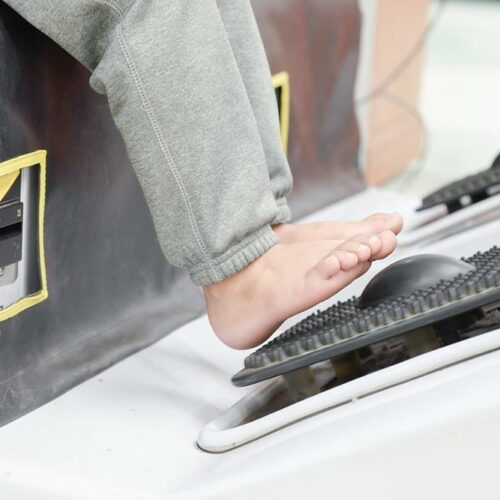
The feet have many pressure points connected to different body parts. So, a foot massage benefits not only the feet but also the body and mind. But, getting a foot massage from a professional may not always be possible. Buying a foot massager can help one receive a relaxing foot massage at home without needing a professional. But one needs to avoid certain common mistakes while using a foot massager: Forgetting to adjust the speed Electric foot massagers come with multiple speed controls, which can be adjusted to tailor the intensity of the massage to one’s liking. However, many individuals overlook these settings and settle for a speed that is generally suitable for them. To fully reap the benefits of a foot massager, it is recommended to take the time to explore all of the speed controls and their varying intensities. Not setting up the massager beforehand One should remember to set up a foot massager properly before using it each time. A foot massager needs a steady, flat surface and a comfortable chair. One should then place their feet in a relaxed position before starting the massage. Directly starting with high-intensity It’s important to give the feet time to adjust to a massager.

7 common concrete leveling mistakes to avoid

7 common concrete leveling mistakes to avoid
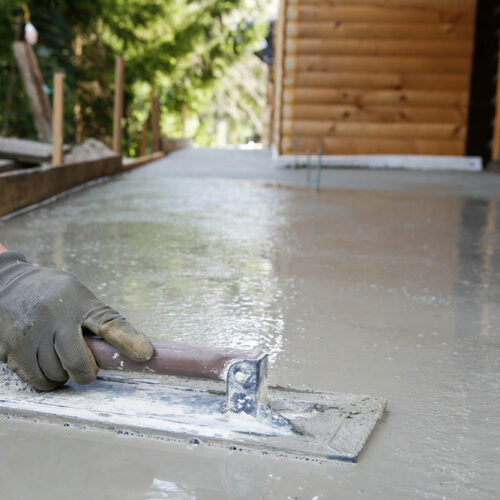
Concrete leveling, also known as concrete lifting, raising, and slabjacking, is an activity that utilizes concrete to correct uneven or sunken surfaces. This process involves lifting, elevating, and straightening concrete to restore it to its original position. It also involves a lot of planning, installing, and maintaining the concrete. Hiring contractors or home repair experts is recommended for the job, as looking for DIY options may lead one to make common mistakes. Failing to have all the necessary tools Many concrete leveling mistakes overlap with those in concrete pouring, as these two tasks have several similarities and serve the same purpose. One of the most elementary errors people make during DIY concrete leveling is not having the necessary tools before starting the project. Concrete dries quickly, so if a person has already filled in wet cement within a gap on a concrete surface, they have limited time to smooth out the surface before the cement hardens. The entire project can be compromised if one does not have the required tools to smoothen and level the surface in time. So, one must create a checklist of all the tools needed for the leveling project before starting the task. Assuming that all concrete is the same Many assume that all concrete available in the market is the same.

10 bathroom remodeling mistakes to avoid

10 bathroom remodeling mistakes to avoid
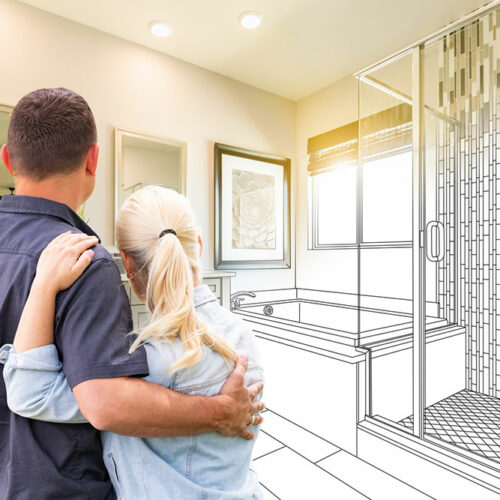
Bathroom remodeling can be complex and require more time, effort, and resources than people usually estimate. There are many ways and designs to renovate the space so it fits one’s needs perfectly, but it’s important to consider all aspects of the project before starting it. These include plumbing, electrical work, structural changes, etc. Making mistakes during the estimation or execution process can cost one dearly. Therefore, here are some common bathroom remodeling mistakes one must avoid. Not planning ahead Bathroom renovation projects require thorough planning and consideration due to their complexity. Plumbing, electrical work, flooring, surface materials, ventilation, and layout all need careful attention to ensure success. Before taking up the project, one should shortlist the layout, the final look and feel of the space, one’s usage and storage solutions, the budget, and the timeline for completion. Not only this, but in the case of residential or personal projects, one should also consider alternative bathroom arrangements while the current bathroom is being remodeled. Not consulting professionals Before starting a project, one should consult professionals to create a well-thought-out layout. Professionals are often more experienced and understand the intricacies of the project that DIYers may not be aware of. This may include functionality, aesthetics, and compliance with building codes.

Our
Blog.

5 tips to prevent and manage ulcerative colitis

5 tips to prevent and manage ulcerative colitis

Ulcerative colitis is a long-term inflammatory disease that triggers inflammation and ulcers in the digestive system. It impacts the colon and rectum’s innermost lining. The symptoms are typically produced over a period rather than unexpectedly. According to the latest studies, about 1 million people have ulcerative colitis, and if left untreated, it can be crippling and cause life-threatening conditions. So, here are 5 tips to prevent and manage ulcerative colitis: Get on with the treatment plan immediately Even though there is no concrete cure for ulcerative colitis, proper treatment can help ease the symptoms and signs of the condition and eventually provide long-term remission. If a patient feels that their bowel habits are consistently changing or if they experience any of the following symptoms and signs, they should immediately consult a doctor: Blood in stool Ongoing diarrhea that is not getting cured by any other types of treatments An unknown fever going on for more than a day or two Abdominal pain Diarrhea that wakes up the patient from sleep The treatments prescribed by the doctor will typically include a combination of oral therapy or surgery. As far as oral treatments are concerned, the doctor may prescribe any of the following types of therapies, depending on the patient’s existing condition:
Read More
3 common types of soaps that trigger eczema flareups

3 common types of soaps that trigger eczema flareups

Atopic dermatitis or eczema is a skin disease that makes the skin reddish, inflamed, and itchy because of specific triggers. It can affect any body part and appear anywhere on the skin. The most common symptoms are dryness, bumps, rashes, redness, and peeling of the skin. Despite being one of the most typical forms of atopic dermatitis, there is no such common definite cause; however, particular triggers cause eczema flareups, including specific kinds of soaps. Soaps and eczema flareups When eczema triggers, most of the time, it makes its appearance in certain typical parts of the body. These include behind the knee areas, hands, and feet. Some of the most common triggers of eczema flareups include household cleaners containing specific chemicals, and, most notably, soaps. However, the experience of eczema won’t be the same for everyone. One of the most typical symptoms is dry skin, where the soap’s role becomes significant. It is a pretty well-known fact that using soaps makes one’s skin dry. This happens because of specific harsh chemicals that swipe off moisture from one’s skin. These chemicals can also trigger severe irritation and reactions, specifically if the skin is too sensitive or if one is suffering from eczema.
Read More