11 Signs of Poor Eyesight Due to High Sugar
11 Signs of Poor Eyesight Due to High Sugar
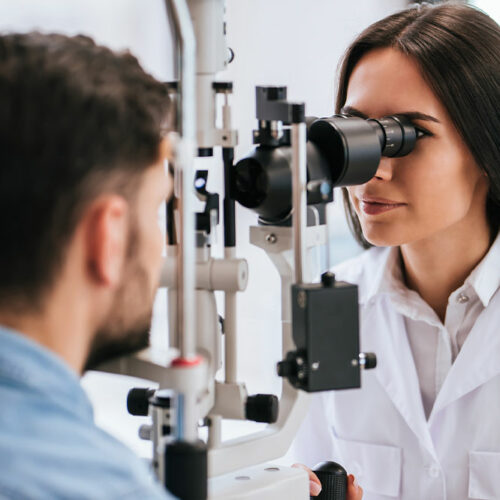
The human eyes are windows to the world, allowing one to witness its beauty and intricacies. But did you know that excessive sugar intake could take a toll on your eyesight? Research suggests that high sugar levels in the body can contribute to various eye health issues. Sugar has become a ubiquitous part of modern meal plans, with its sweet temptations lurking in countless foods and beverages. While the harmful effects of sugar on overall health are well-known, its impact on eyesight is often overlooked. This ignorance makes it all the more important to look into the matter with the severity it deserves. Blurred vision Excessive sugar intake can lead to fluctuations in blood sugar levels, causing the lens in the eye to swell, resulting in blurred vision. It can occur intermittently, especially after eating sugary foods or drinking sweetened beverages. The vision may take some time to return to normal after the sugar levels stabilize. If you notice recurring blurred vision, it is essential to monitor your sugar intake and consult an eye care specialist for a comprehensive evaluation. Increased sensitivity to light High sugar levels can cause the eye’s lens to become more sensitive to light, leading to increased light sensitivity or photophobia.

8 silent signs of bladder damage caused by prostate cancer

8 silent signs of bladder damage caused by prostate cancer
Prostate cancer, the second most prevalent cancer among American men, often remains hidden until it reaches advanced stages. Typically, the disease progresses slowly, making it challenging to detect in its early stages. As it advances, prostate cancer can affect nearby organs, including the bladder. This article explores the subtle yet crucial signs of bladder damage caused by prostate cancer, shedding light on the importance of early detection and timely intervention. The Interconnected Anatomy Understanding how prostate cancer can harm the bladder requires insight into the intricate interplay between these two vital structures. The prostate gland is beneath the bladder, encircling the urethra, which is a tube that carries urine from the bladder out of the body. This close proximity means that any malignancy within the prostate can potentially infiltrate the bladder, causing a range of complications. Silent Signals: Signs of Bladder Damage Bladder damage resulting from prostate cancer may manifest in several subtle ways. Being aware of these signs can significantly aid in early detection and better management of the disease. Urinary Frequency and Urgency One of the earliest signs of bladder damage due to prostate cancer is an increase in urinary frequency and urgency. Men may find themselves rushing to the bathroom more frequently and feeling an urgent need to urinate even when the bladder is not full.

Mastering laundry – 21 essential dos and don’ts for clothes

Mastering laundry – 21 essential dos and don’ts for clothes
While doing laundry seems like a basic task, mastering the art of laundry takes time and practice, and following certain rules can help one get started on the right foot. These rules can extend the lifespan of one’s clothes and also help optimize the efficiency and durability of one’s washing machine, ensuring it remains a reliable tool in one’s laundry routine. Here is a list of 20 essential laundry dos and don’ts of laundry. Laundry Dos to Follow Read Care Labels Before tossing one’s clothes in the washer, one is advised to take a moment to read the care labels. They provide specific guidelines on water temperature, washing methods (like hand washing or machine washing), and even drying instructions. For instance, a delicate silk blouse may require gentle hand washing in cold water, while a cotton t-shirt might thrive in a regular machine cycle. Ignoring these labels can lead to shrinkage, color fading, or even fabric damage. Sort by Color To prevent color bleeding and fading, it’s necessary to sort one’s laundry into three categories: whites, lights, and darks. This simple step can help preserve the vibrancy of one’s clothes. Empty Pockets Checking and emptying pockets before loading one’s laundry is crucial.

17 Mistakes Big, Small, and Pickup Truck Drivers Should Avoid

17 Mistakes Big, Small, and Pickup Truck Drivers Should Avoid
Drivers play a pivotal role in ensuring the smooth flow of goods across the nation. Whether they are behind the wheel of a semi-truck or a pickup truck, drivers must navigate a myriad of challenges and responsibilities. However, the road is fraught with pitfalls, and mistakes might have dire consequences. Here are some mistakes that big rig operators and big and small pickup truck owners should avoid to ensure safety and efficiency on the road. Neglecting vehicle maintenance One of the gravest mistakes big rig operators could make is neglecting regular vehicle maintenance. These massive machines require meticulous care to function optimally. Skipping routine inspections, failing to change oil and filters, or overlooking brake maintenance may lead to catastrophic accidents. Fatigue-induced errors Long-haul truckers often face grueling schedules and demanding deadlines. However, pushing the limits of endurance could lead to fatigue-induced errors. Drowsy driving is a silent but deadly threat on the road. To avoid this mistake, drivers should adhere to mandated rest periods, stay hydrated, and get adequate sleep. Overloading and poor load distribution Overloading a big rig or improperly distributing the load may spell disaster. It affects the truck’s stability, steering, and braking capabilities. Drivers should always adhere to weight limits and ensure that the cargo is distributed in an even manner to avoid putting undue stress on the vehicle.

Stomach cancer and desmoid tumors – What they are and how they differ

Stomach cancer and desmoid tumors – What they are and how they differ
Stomach cancer and desmoid tumors are serious health conditions characterized by the unchecked growth of abnormal cells or tissues in one’s body. These diseases primarily affect the stomach and adjacent bodily structures, potentially impacting one’s overall well-being. Understanding how these conditions affect one’s organs, their different features and similarities, early signs, and available treatment options is essential for proactive healthcare management. Here is what one needs to know about both conditions: Gastric cancer and desmoid tumors – What they are Gastric cancer is also known as stomach cancer. It is characterized by the uncontrolled growth of abnormal cells within the inner stomach lining. These cells accumulate, forming a tumor that can invade nearby tissues and, in later stages, spread to distant parts of the body, a process known as metastasis. Genetic factors, previous stomach conditions like GERD or ulcers, or overexposure to coal, metal, or rubber can influence stomach cancer. Desmoid tumors, on the other hand, are abnormal growths that develop from the body’s connective tissues. Connective tissues serve as a support and link between one’s bones, ligaments, and muscles. A desmoid tumor is an extremely rare disease and usually grows slowly. Unlike cancer, these tumors don’t spread to other body parts.

Common foods that can cause and reduce water retention

Common foods that can cause and reduce water retention
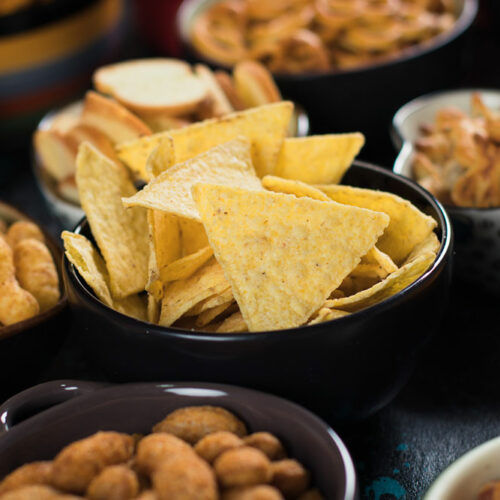
Water retention is a common issue characterized by the excessive accumulation of fluid in the body’s tissues. This can lead to swelling, discomfort, puffy face, swollen eyelids, and bloating. Various factors can cause water retention, including hormonal changes, ongoing treatments, and certain medical conditions; however, food also plays a significant role. So, here are a few common foods that can cause water retention and those that help manage the issue: Foods that cause water retention Salty snacks One of the most significant contributors to water retention is the intake of high-sodium or salty foods. Sodium is an essential mineral that helps maintain fluid balance in the body. However, an excess of sodium can increase water retention. This is because the body retains water to dilute the excess sodium, leading to swelling and bloating. So, salty snacks like potato chips, nachos, burgers, pizzas, pickles, and instant noodles are notorious for their high sodium content and should be limited to reduce fluid retention. Caffeine Caffeine, usually found in coffee and some energy drinks, acts as a diuretic, causing an increase in urine production. This disrupts the balance of fluids within the body and leads to swelling. So, one should avoid or limit the intake of caffeinated beverages when experiencing fluid retention.

Our
Blog.

5 styling ideas for women over 60

5 styling ideas for women over 60

Age is a number when setting a true style statement. Regardless of anyone’s perception, just because you are reaching the 60s doesn’t imply to stop working on your appearance and renounce your desires to look fabulous. Fashion is not just merely about trends; it is about how you express yourself through clothes as the myths of age must not limit your expression. So, here are a few best styling ideas for women over 60: Embrace your age One of the most typical fashion mistakes people make is choosing outfits that are supposed to make them appear younger than their actual age. The problem with such a choice is that you are paradoxically accentuating your age when you try to look younger by wearing an outfit that will be more appropriate for youngsters. For example, if you don high heels, short skirts, or flashy fashions that might be more appropriate for a person half your age, you are indirectly making yourself appear “older.” Instead, you can opt for clothes that are specially tailored for women your age. Sporting “age-appropriate” dresses will conceal your age and make others appreciate your other features like glowing skin or your build. And consequently, you will appear much younger than your actual age.
Read More
5 tips to prevent and manage ulcerative colitis

5 tips to prevent and manage ulcerative colitis

Ulcerative colitis is a long-term inflammatory disease that triggers inflammation and ulcers in the digestive system. It impacts the colon and rectum’s innermost lining. The symptoms are typically produced over a period rather than unexpectedly. According to the latest studies, about 1 million people have ulcerative colitis, and if left untreated, it can be crippling and cause life-threatening conditions. So, here are 5 tips to prevent and manage ulcerative colitis: Get on with the treatment plan immediately Even though there is no concrete cure for ulcerative colitis, proper treatment can help ease the symptoms and signs of the condition and eventually provide long-term remission. If a patient feels that their bowel habits are consistently changing or if they experience any of the following symptoms and signs, they should immediately consult a doctor: Blood in stool Ongoing diarrhea that is not getting cured by any other types of treatments An unknown fever going on for more than a day or two Abdominal pain Diarrhea that wakes up the patient from sleep The treatments prescribed by the doctor will typically include a combination of oral therapy or surgery. As far as oral treatments are concerned, the doctor may prescribe any of the following types of therapies, depending on the patient’s existing condition:
Read More