Huntington’s disease – Foods to avoid and eating habits to follow

Huntington’s disease – Foods to avoid and eating habits to follow
Huntington’s disease is a hereditary disease that causes the degeneration of brain cells. One of the main symptoms of this condition is uncontrollable jerky movements in the arms, legs, face, head, and upper body (called chorea). Other symptoms may also include a decline in thinking and reasoning skills, alterations in mood, and behavioral changes. This article explores how the condition impacts one’s eating and food management strategies to improve nutritional intake. How Huntington’s affects the body and food intake Chorea Huntington causes jerky, uncontrollable movements called chorea. This can use more energy, increasing one’s caloric needs. Difficulty in planning Huntington’s may cause short-term memory loss, making it difficult to plan meals in advance. This can also affect one’s food and nutrition. Clumsiness One may also experience stumbling and clumsiness. As a result, one may find it difficult to eat or drink, causing embarrassment among individuals with Huntington’s. Mood changes Cognitive changes with Huntington’s can cause depression and anxiety. This can cause changes in appetite, affecting one’s desire to eat. Muscular changes With Huntington’s, individuals may also have hand-eye coordination, eating, and posture issues. This can limit their ability to put food into their mouths, affecting their daily eating habits. Additionally, it can make it difficult to close the lips together, causing spillage.


8 mistakes every new hearing aid owner must avoid

8 mistakes every new hearing aid owner must avoid
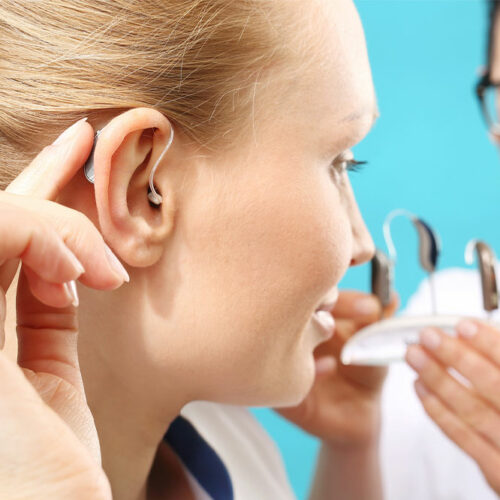
While hearing is an indispensable sense that connects one with the world around, hearing loss is a largely prevalent issue that can significantly impact one’s life. About 2-3 out of every 1,000 children are born with diagnosable levels of hearing loss in one or both ears. Today, technological advancements have facilitated several interventions, including hearing aids, to enhance hearing. Here are some common mistakes that new hearing aid owners should avoid: Not controlling volume effectively It is essential to regulate the volume of one’s hearing aid, as excessive use can worsen hearing difficulties with time. Thus, it is important to know where the volume controls are located in the hearing aid and how the volume should be changed or adjusted. Overlooking the adjustment phase For individuals grappling with hearing loss over long periods, all sounds may be excessively loud upon putting on hearing aids. Such loudness may initially cause fatigue among new hearing-aid users. This phenomenon, called hearing-related fatigue, is quite typical. Unfortunately, many individuals quit using their hearing aids at this stage to avoid this fatigue. However, it is important to persevere during the adjustment phase, opting for strategies like regulating the volumes of one’s TV, radio, etc., wearing hearing aids for shorter periods initially, and not adjusting the hearing aid volume too frequently.

Avoid These 5 Things to Improve Sleep Quality

Avoid These 5 Things to Improve Sleep Quality
A good night’s sleep is as important as following a balanced meal plan and exercising regularly. Poor sleeping habits have an adverse effect on your hormones and the functioning of the brain. It can interfere with your cognitive functions as well as physical health. Tossing and turning every night causes sleep disturbance. There are many reasons for this, including poor sleep hygiene. Therefore, you need to follow a proper sleep routine to maintain your health. Here are a few things that you should avoid for a healthy sleep cycle. Avoid making poor food choices before bedtime Don’t overeat or starve yourself before bedtime. It is best to avoid having a heavy meal three hours before bedtime. Overeating can trigger heartburn , and this can cause delays in falling asleep. Also, try to avoid caffeine-based products as they have stimulating effects on your body, which may further interfere with your sleep. They will initially make you feel drowsy but later disrupt your sleep cycle. It is also said that such beverages can increase the symptoms of snoring, sleep apnea, and disrupted sleep patterns. Also, harmful substances can reduce the production of melatonin during night-time, leading to sleep deprivation. Late night binges on greasy, processed foods like pizza, and burgers may also affect your sleep.

10 simple ways to get a free mobile phone

10 simple ways to get a free mobile phone
While mobile phones are necessary devices, they can be expensive. One has to not only spend on purchasing the phone but also pay for the service plan. These costs can quickly add up to substantial expenses, especially for those with a limited monthly budget. However, one can save on these expenses by exploring resources to get a mobile phone for free or at discounted rates. Here are some ways to get a free mobile phone. Government assistance programs One of the first resources that one can check out for free mobile phones is government assistance programs. Among these, one of the most popular is the Lifeline program. This initiative offers smartphones free of cost or even at discounted prices for those who are part of these federal programs – Supplemental Nutrition Assistance Program (SNAP – formerly known as Food Stamp Program) Medicaid Supplemental Security Income (SSI) Federal Public Housing Program Veterans Pension and Survivors Pension There are several eligibility criteria one must adhere to in order to get a free mobile phone. For example, one’s earning must be less than 135% of the federal poverty guidelines of each year. This means, the earnings must be less than $16,862 for a household of one person.

11 early warning signs of age-related macular degeneration

11 early warning signs of age-related macular degeneration
The eyes help one perceive different stimuli. Therefore, promptly diagnosing eye-related conditions is essential to ensure eye health. Age-related Macular Degeneration (AMD) is a progressive eye condition involving damage to the macula or a part of the retina situated at the back of the eye. Individuals aged 50 and above are particularly susceptible to this condition. This article discusses a few early warning signs of AMD that one shouldn’t ignore. Early warning signs of age-related macular degeneration In general, age-related macular degeneration is classified as dry and wet. Dry AMD involves gradual thinning of the retina caused by age and is characterized by symptoms like blurred vision and progressive vision loss. Wet AMD, considered a more serious condition than dry AMD, results from irregular growth of blood vessels in the retina, causing accumulation of fluid in the back of the eye. Dry AMD may gradually progress to wet AMD with time, particularly if left untreated. Some early warning signs of AMD are as follows: 1. Blurred vision Since AMD involves blood or fluid leakage from blood vessels into the macula, individuals with this disease may experience blurry vision. 2. Wavy appearance of straight lines Age-related macular degeneration significantly affects one’s central vision, which is indispensable in facilitating the recognition of shapes, lines, colors, etc.

Causes, symptoms, and management options for hearing loss

Causes, symptoms, and management options for hearing loss
Millions of people in the world are impacted by hearing loss. It is a prevalent condition with a handful of causes. Understanding the condition’s complexities is essential for early detection, intervention, and symptom management. It is important to learn about the causes, symptoms, risk factors, and management options. By staying informed and seeking professional help, individuals with hearing loss can have a better quality of life, improve communication abilities, and ensure long-term hearing health. Causes of hearing loss There are various factors that can result in hearing loss. It could be a genetic predisposition. It could also be a result of aging, trauma, infections, certain prescriptions, or other underlying conditions. Genetic factors For some people, hearing loss can be inherited from parents that carry the same genetic mutations. It can affect the person’s functioning or the development of their auditory system. These genetic factors can contribute to congenital hearing loss, which is present at birth, or progressive hearing loss, which manifests later in life. Constant exposure to loud noises Excessive noise or being exposed to loud noises constantly can impact a person’s hearing capability. This could include repeated or prolonged exposure to machinery, explosions, and loud music. Such noises can damage the inner ear, which is quite delicate.

Our
Blog.

5 styling ideas for women over 60

5 styling ideas for women over 60

Age is a number when setting a true style statement. Regardless of anyone’s perception, just because you are reaching the 60s doesn’t imply to stop working on your appearance and renounce your desires to look fabulous. Fashion is not just merely about trends; it is about how you express yourself through clothes as the myths of age must not limit your expression. So, here are a few best styling ideas for women over 60: Embrace your age One of the most typical fashion mistakes people make is choosing outfits that are supposed to make them appear younger than their actual age. The problem with such a choice is that you are paradoxically accentuating your age when you try to look younger by wearing an outfit that will be more appropriate for youngsters. For example, if you don high heels, short skirts, or flashy fashions that might be more appropriate for a person half your age, you are indirectly making yourself appear “older.” Instead, you can opt for clothes that are specially tailored for women your age. Sporting “age-appropriate” dresses will conceal your age and make others appreciate your other features like glowing skin or your build. And consequently, you will appear much younger than your actual age.
Read More
5 tips to prevent and manage ulcerative colitis

5 tips to prevent and manage ulcerative colitis

Ulcerative colitis is a long-term inflammatory disease that triggers inflammation and ulcers in the digestive system. It impacts the colon and rectum’s innermost lining. The symptoms are typically produced over a period rather than unexpectedly. According to the latest studies, about 1 million people have ulcerative colitis, and if left untreated, it can be crippling and cause life-threatening conditions. So, here are 5 tips to prevent and manage ulcerative colitis: Get on with the treatment plan immediately Even though there is no concrete cure for ulcerative colitis, proper treatment can help ease the symptoms and signs of the condition and eventually provide long-term remission. If a patient feels that their bowel habits are consistently changing or if they experience any of the following symptoms and signs, they should immediately consult a doctor: Blood in stool Ongoing diarrhea that is not getting cured by any other types of treatments An unknown fever going on for more than a day or two Abdominal pain Diarrhea that wakes up the patient from sleep The treatments prescribed by the doctor will typically include a combination of oral therapy or surgery. As far as oral treatments are concerned, the doctor may prescribe any of the following types of therapies, depending on the patient’s existing condition:
Read More