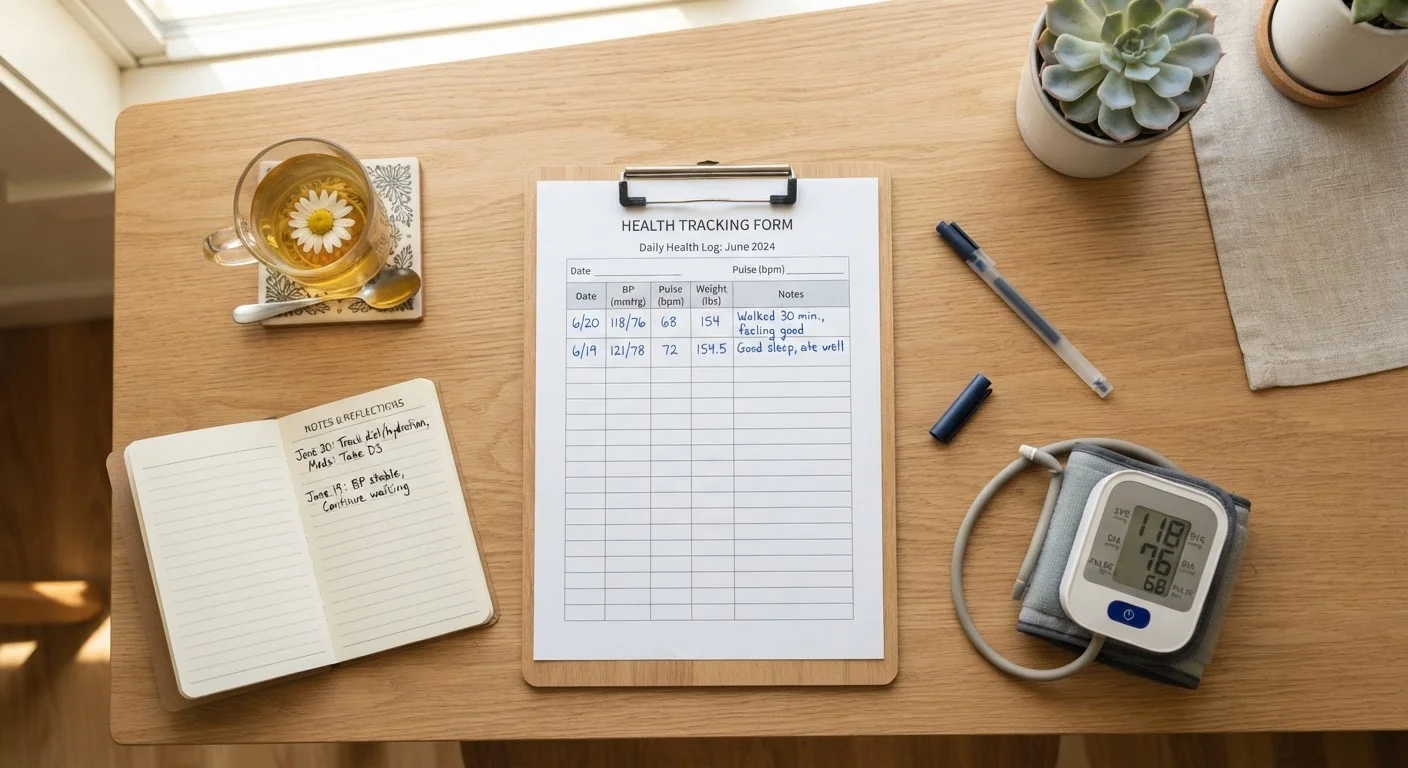

Why Routine Matters for Mental Health
Mental health is not a fixed state - it fluctuates with sleep, stress, relationships, and dozens of daily variables. What research in behavioral psychology and psychiatry consistently shows is that predictable structure reduces the cognitive and emotional load that contributes to anxiety and low mood. Routines create scaffolding: reliable moments in a day when the brain knows what to expect, which in turn frees up mental resources for everything else.
The goal of a mental health routine is not to eliminate difficult emotions - that is neither realistic nor healthy. Instead, the aim is to build a foundation of small, repeatable practices that support emotional regulation, stress recovery, and self-awareness over time. Think of it less like a prescription and more like a daily investment in resilience.
This Is General Information, Not Medical Advice
The strategies in this article are general wellness practices based on publicly available health guidance. They are not a substitute for personalized advice from a licensed mental health professional. If you are experiencing persistent low mood, anxiety, or a mental health crisis, please consult a qualified clinician or contact a crisis support line.
Mental health habits also connect naturally to physical health. Movement, sleep hygiene, and social connection - all of which can be woven into a daily routine - have measurable effects on mood and cognitive function. Social ties in particular deserve attention; our article on social connection as a mental health resource explores how even small interactions support emotional well-being.
What You'll Need Before You Start
What you will need
Journal or Notebook
Used for daily mood tracking, gratitude practice, and reflective writing.
Timer or Phone Alarm
Helps set consistent start times and limits practice sessions so they don't feel open-ended.
Meditation or Breathing App
Provides guided sessions for beginners learning breath-based or mindfulness practices.
Calendar or Habit Tracker
Lets you visualize consistency over time and identify patterns in your routine adherence.
You do not need to purchase anything to begin a mental health routine. The tools listed above are helpful but largely optional - the most essential ingredient is simply showing up consistently.
How to Build Your Routine, Step by Step
Habit Stacking Makes New Practices Stick
Pair a new mental health habit with something you already do reliably - for example, practicing a brief breathing exercise right after brushing your teeth. This 'habit stacking' technique, supported by behavioral research, reduces the effort needed to remember and initiate new behaviors.
Choose one anchor moment in your day
Identify a fixed point in your existing daily schedule - waking up, eating lunch, or winding down before bed - and designate it as your mental health anchor. Research on habit formation suggests that linking new behaviors to established cues dramatically increases consistency. Your anchor moment is when your routine will begin, every day.
Select one or two evidence-informed practices
Choose from practices with a credible evidence base for mood and stress support. Options include:
- Mindful breathing: Even brief diaphragmatic breathing exercises have been shown in research to activate the parasympathetic nervous system, reducing the physiological stress response.
- Gratitude journaling: Writing three specific things you are grateful for each day is associated with improved well-being in multiple studies.
- Physical movement: The CDC notes that regular physical activity supports mental health by reducing symptoms of anxiety and depression. Even a short walk counts.
- Limiting news and social media: Setting defined windows for consuming media can reduce information-driven anxiety.
For more structured coping tools, see our practical coping toolkit for hard days.
Keep your initial commitment small
Set a realistic minimum - five minutes is enough to start. Behavioral science consistently shows that small, achievable commitments are more likely to persist than ambitious ones. You can always do more on a good day, but your minimum should be something you can complete even when tired, busy, or unmotivated.
For inspiration on how stripped-back habits hold up during hectic weeks, our guide on routines that hold up when life gets busy offers a useful parallel framework.
Build in a brief daily check-in
At the end of each practice session - or at a separate fixed moment - spend 60 to 90 seconds noting your mood state. You don't need clinical language; a simple 1-10 scale or a single word describing how you feel is enough. Over time, this data helps you notice patterns: which practices feel most effective, which days tend to be harder, and whether your baseline is shifting.
Plan for disruption in advance
Life will interrupt your routine - travel, illness, or a stressful week will all happen. Rather than treating a missed day as failure, design a 'minimum viable' version of your routine in advance: perhaps just two minutes of deep breathing on a difficult day. Deciding this in advance removes the decision-making burden in the moment and reduces the all-or-nothing thinking that derails most routines.
Review and adjust every two to four weeks
A routine that isn't working for you isn't a personal failure - it's a signal to iterate. Every two to four weeks, review your mood notes and ask: Which practices feel sustainable? Which feel like a chore? Adjust the timing, type, or duration of your habits based on what you observe. Mental health routines are not one-size-fits-all, and the most effective routine is the one you actually maintain.
For a broader view of how daily habits support long-term health, see building daily habits that support long-term health.
When to Seek Professional Support
A self-directed mental health routine is a meaningful and evidence-supported wellness tool - but it is not a treatment for clinical mental health conditions. If you notice persistent low mood lasting more than two weeks, significant anxiety that interferes with daily functioning, changes in sleep or appetite, or thoughts of self-harm, these are signals to seek support from a licensed mental health professional.
Don't Overload Your Routine at the Start
Adding too many new habits at once is one of the most common reasons routines fail. Start with one or two practices and build gradually. Perfectionism - feeling you must do everything every day - can itself become a source of stress.
Your primary care provider is often a good first point of contact and can refer you to appropriate mental health services. Crisis support lines are available around the clock if you need immediate help.
This article is for general informational and educational purposes only. It is not a substitute for professional medical or mental health advice, diagnosis, or treatment. Always consult a qualified healthcare provider with any questions you may have about a mental health condition.