Why Preparation Makes Your Annual Physical More Valuable
An annual physical is typically 20 to 40 minutes long. That window goes fast — especially when a provider is reviewing your history, ordering labs, and addressing any new concerns. Walking in without organized information means key details can slip through the cracks, and you may leave without answers to questions you forgot to ask.
The good news: a modest amount of preparation — tracking your health data, habits, and concerns in the weeks before your appointment — can meaningfully improve the quality of that conversation. This checklist is designed to help everyday adults arrive ready, informed, and confident. It is general health information, not a substitute for personalized medical advice from your provider.
For a broader view of year-round preventive care, see Your Annual Preventive Care Checklist for Adults, which covers screenings, vaccinations, and lifestyle reviews worth discussing with your doctor.
Administrative Records
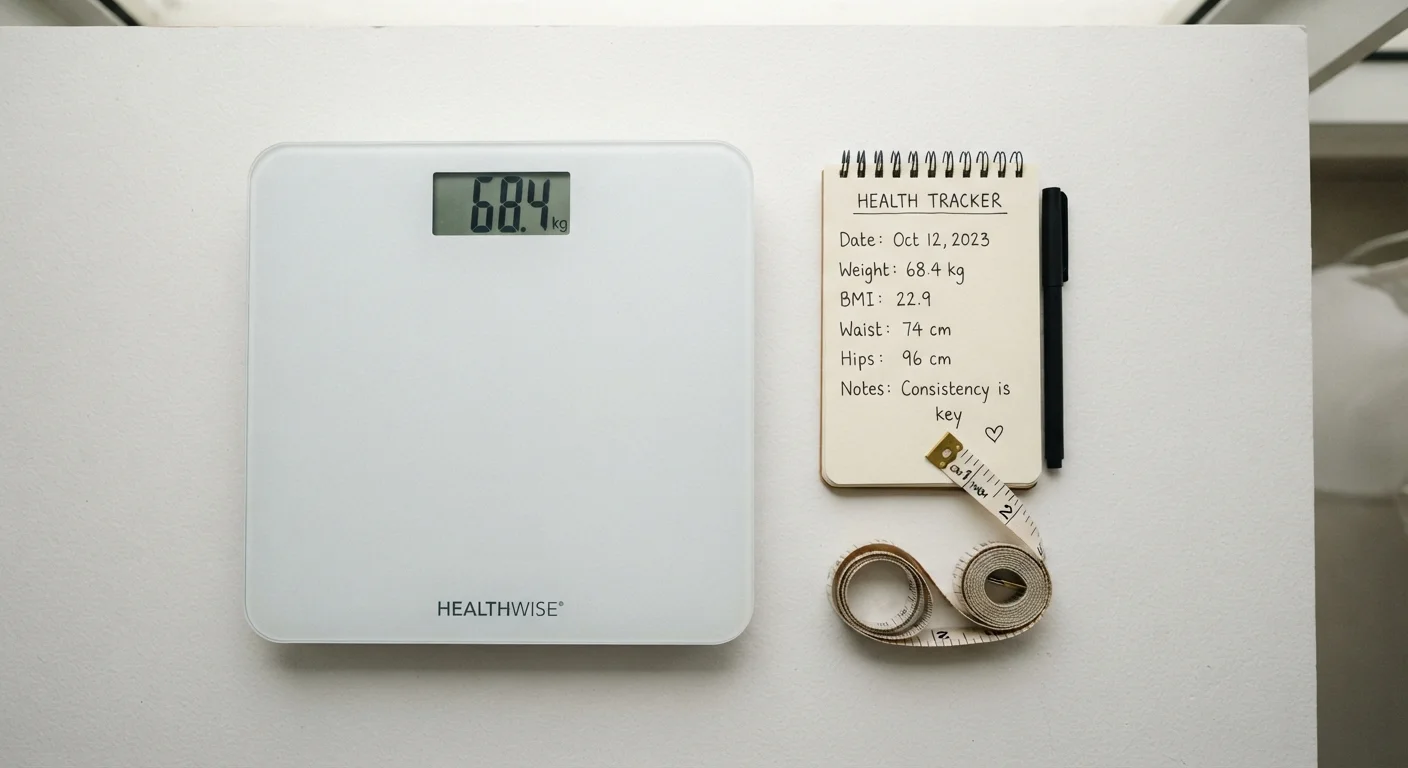
Key Health Numbers
Symptom and Change Log
Lifestyle and Habit Snapshot
Your Question List
Day-Of Logistics
What to Gather, Track, and Bring
The items in this checklist fall into a few natural categories: administrative records, personal health numbers, symptom logs, lifestyle patterns, and your question list. You don't need to tackle everything at once — spreading this over two to three weeks before your appointment makes it manageable.
Seek Care Immediately for Urgent Symptoms
This checklist is designed for routine annual physical preparation. If you are experiencing chest pain, severe shortness of breath, sudden weakness or confusion, or any symptom that feels urgent, do not wait for a scheduled appointment. Call 911 or go to the nearest emergency room immediately. Annual physicals are for preventive care, not emergencies.
If you're unsure which type of appointment to schedule in the first place, Annual Physical vs. Specific Wellness Visit: What's the Difference? breaks down the distinction clearly.
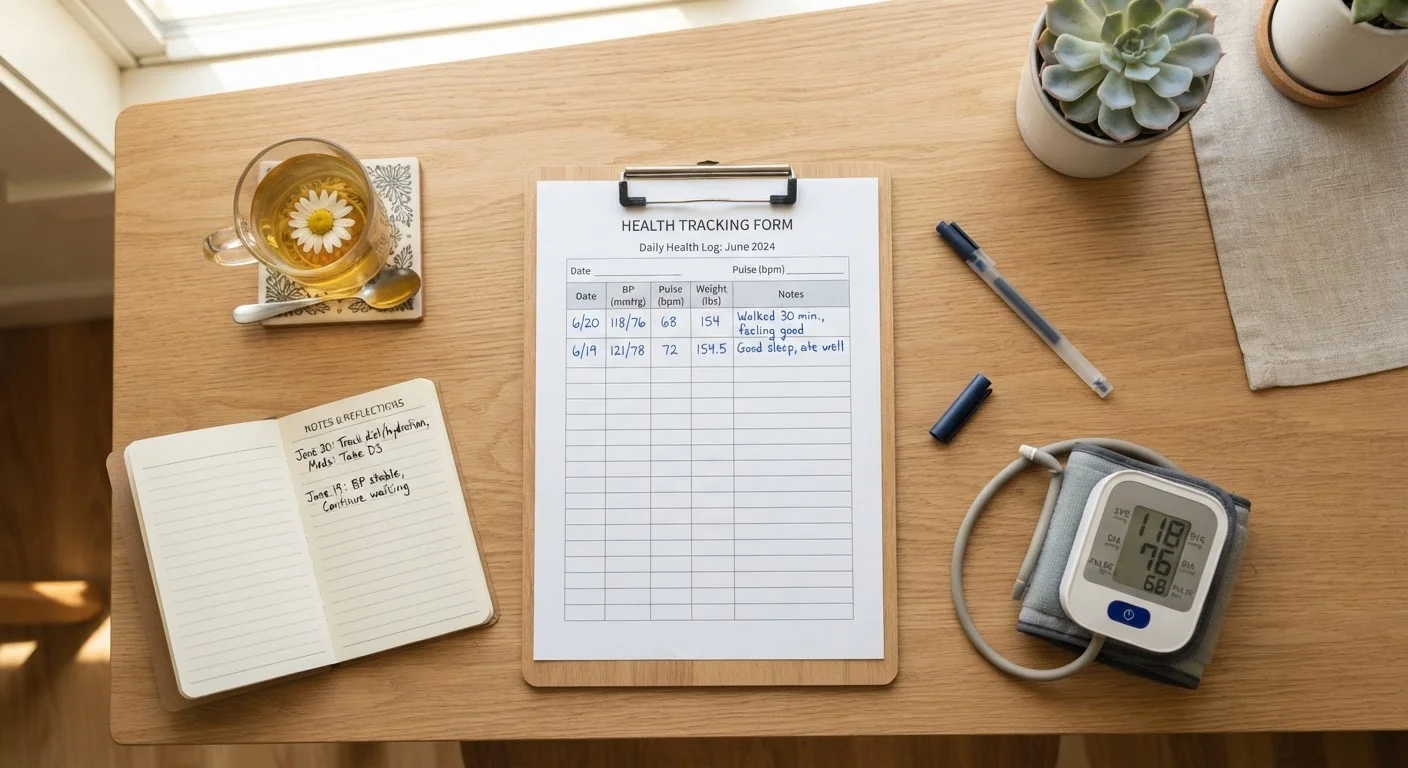
Health tracking notebook or app
Log symptoms, sleep patterns, and lifestyle habits in the weeks leading up to your appointment.
Home blood pressure monitor
Capture consistent blood pressure readings outside the clinical setting, where readings can be artificially elevated.
Medication and supplement list
A written or printed record of every medication, vitamin, and supplement you take, with dosages and frequency.
Patient portal access
Retrieve past lab results, visit summaries, and immunization records directly from your provider's system before your visit.
Insurance card and ID
Required for check-in verification and to confirm your coverage at the time of the visit.
Once you've gathered your materials, Before Your Next Check-Up: A Preparation Checklist offers a complementary walkthrough for the final steps — including how to organize your notes and what to expect in the room.
Don't Downplay or Omit Symptoms
It can be tempting to mention only the concerns you think are 'serious enough,' but partial information limits your provider's ability to give accurate guidance. Be candid about all symptoms, habits, and lifestyle factors — including those that feel embarrassing or minor. Your provider has heard it all, and full disclosure leads to better care.
Understanding the numbers your doctor will likely review is equally important. Blood Pressure, Cholesterol, and Blood Sugar: The Core Numbers to Know explains what each figure measures and what ranges generally mean.
For a closer look at what happens during the visit itself, Your Annual Physical: What Typically Happens and What to Bring walks through the typical flow so you know what to expect.
This article is for general informational and educational purposes only. It is not medical advice. Always consult a qualified healthcare professional for guidance about your personal health, symptoms, or medical decisions.