What Actually Happens During an Annual Physical
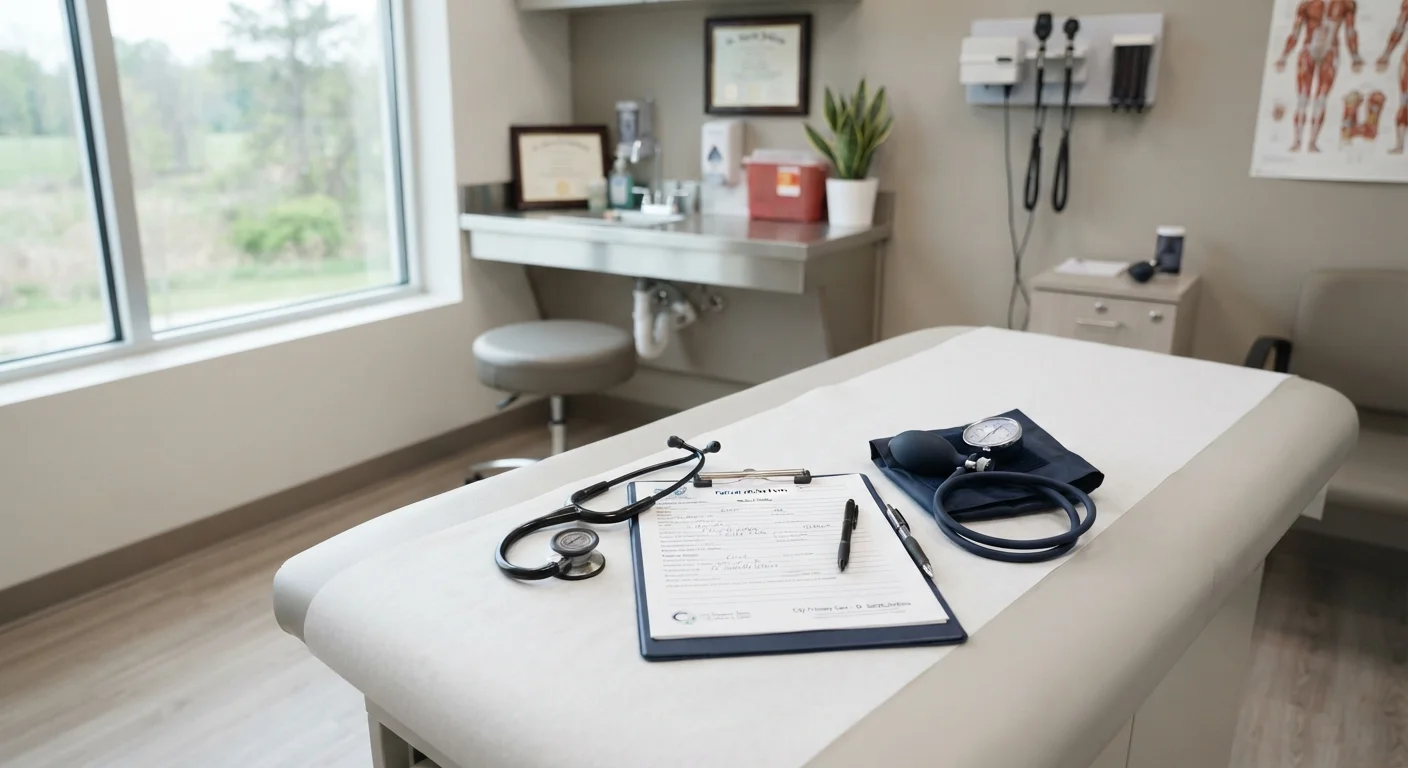
An annual physical — sometimes called a yearly wellness visit or preventive care visit — is a scheduled appointment designed to assess your overall health status, not to address a specific illness. Understanding the typical flow helps you arrive with realistic expectations and less anxiety.
Most visits follow a predictable structure:
- Intake and history review: A nurse or medical assistant records your height, weight, blood pressure, pulse, temperature, and breathing rate. They'll also update your medication list and ask about any changes since your last visit.
- Medical and family history update: Your provider reviews your personal health history and may ask about conditions in your immediate family, since many diseases have a hereditary component.
- Physical examination: The provider listens to your heart and lungs, checks your abdomen, examines your skin, reflexes, and lymph nodes, and may assess your musculoskeletal system depending on your age and concerns.
- Preventive screenings discussion: Based on your age, sex, and risk factors, your provider may order blood work — such as a lipid panel or blood glucose test — or discuss screenings like colorectal cancer screening or a mammogram. Refer to our annual preventive care checklist for adults to understand which screenings are commonly recommended at different life stages.
- Mental health check-in: Many providers now routinely screen for depression and anxiety using brief, validated questionnaires. The Mental Wellness hub offers everyday strategies for managing stress between visits.
- Immunization review: Your provider will check whether you're current on recommended vaccines, such as the annual flu shot, Tdap booster, or shingles vaccine for adults over 50.
It's worth noting that an annual physical differs from a diagnostic appointment. If you come in with an active complaint, the visit may shift focus — which can affect billing and coverage. Learn more about the difference between a routine check-up and a diagnostic visit before your appointment.
Don't Skip the Visit Because You Feel Fine
Many chronic conditions — including high blood pressure, prediabetes, and elevated cholesterol — develop without noticeable symptoms. An annual physical is specifically designed to catch these risk factors early, when intervention is most effective. Feeling healthy is not a reliable substitute for an objective clinical assessment.
How to Prepare and What to Bring
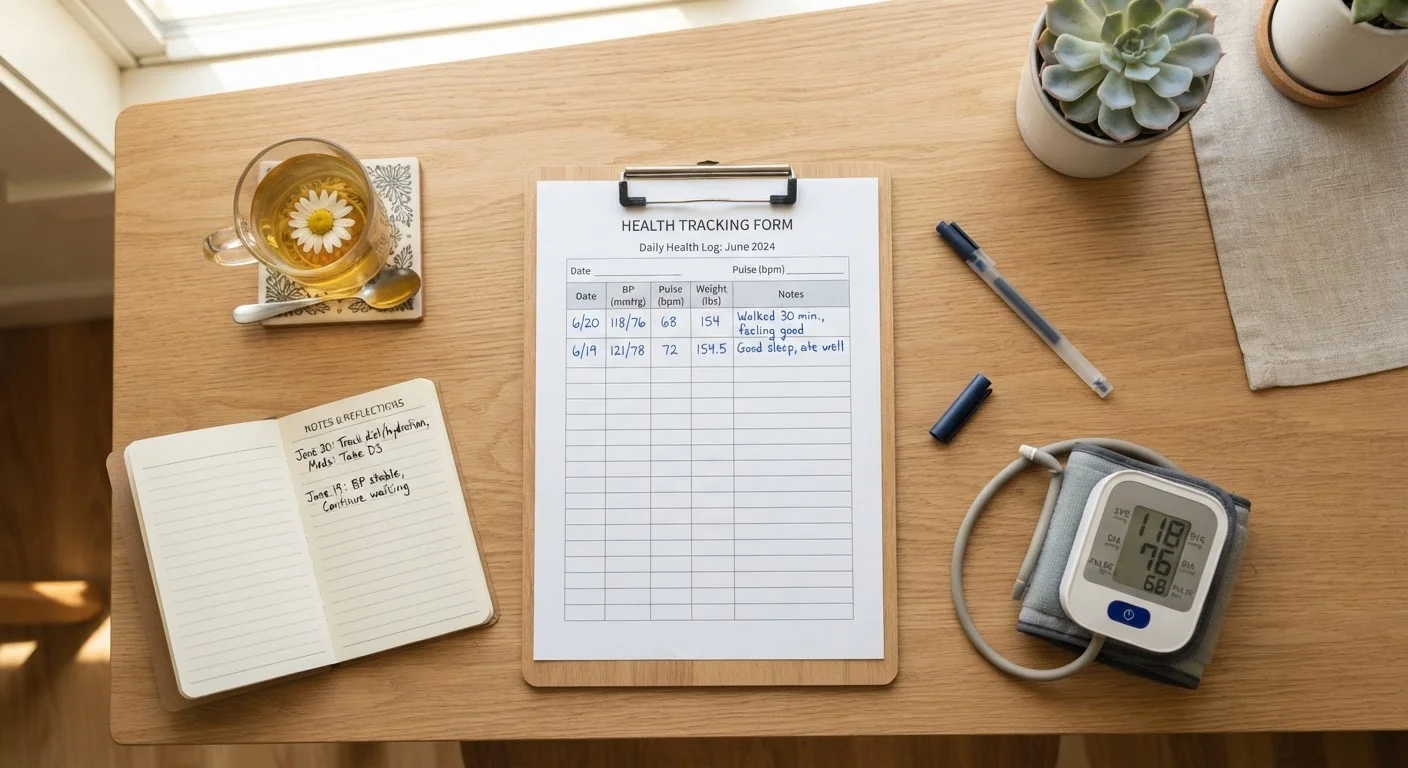
A little organization before your appointment pays dividends during the visit. Here's what to gather and how to approach each step:
What you will need
Compile your complete medication list
Write down every prescription medication, over-the-counter drug, vitamin, and supplement you currently take, including the dosage and how often you take it. Providers need this information to check for drug interactions, assess whether treatments are still appropriate, and update your official record accurately.
Summarize your personal and family health history
If you're seeing a new provider — or if your family history has changed since your last visit (a parent diagnosed with heart disease, for example) — document those updates in writing. Include past surgeries, hospitalizations, chronic conditions, and known allergies. This context shapes which screenings your provider recommends.
Write down your questions and current concerns
Before your appointment, note anything that has been bothering you — new or recurring symptoms, changes in sleep, energy levels, mood, weight, or any habits you want guidance on. Prioritize your top two or three questions so you can address the most important ones first if time runs short.
Gather your insurance card and any required forms
Bring your health insurance card and a photo ID. If your plan requires a referral or prior authorization for lab work, confirm this with your insurer before the appointment. Some preventive services are covered at no cost under the Affordable Care Act — checking in advance helps you avoid surprise billing.
Arrive prepared to discuss lifestyle honestly
Your provider will likely ask about your diet, physical activity, alcohol consumption, tobacco use, and sleep habits. Answer as accurately as you can — providers aren't there to judge, and honest answers enable better, more targeted guidance. Clinical guidelines from organizations like the CDC and NIH inform how providers interpret these responses and what recommendations they make.
Prepare Your Questions the Night Before
Appointment time is limited — often 30 to 45 minutes. Jotting down your top two or three concerns the evening before helps you stay focused and ensures nothing slips your mind under pressure. Prioritize questions about any new symptoms, lifestyle changes, or medications. See our guide on what to track before your appointment for a thorough pre-visit checklist.
If you're unsure whether your appointment should be with a primary care physician or a specialist, our article on primary care vs. specialist roles in preventive care can help clarify the distinction.
This Is General Information, Not Medical Advice
The content in this article describes what typically occurs during a standard annual physical in the United States. Individual visits vary based on your age, health history, insurance plan, and your provider's clinical judgment. Always follow the specific guidance of your licensed healthcare provider for decisions about your own care.
This article is for general informational and educational purposes only and does not constitute medical advice. Consult a qualified healthcare provider for guidance specific to your health situation, symptoms, or medical history.