
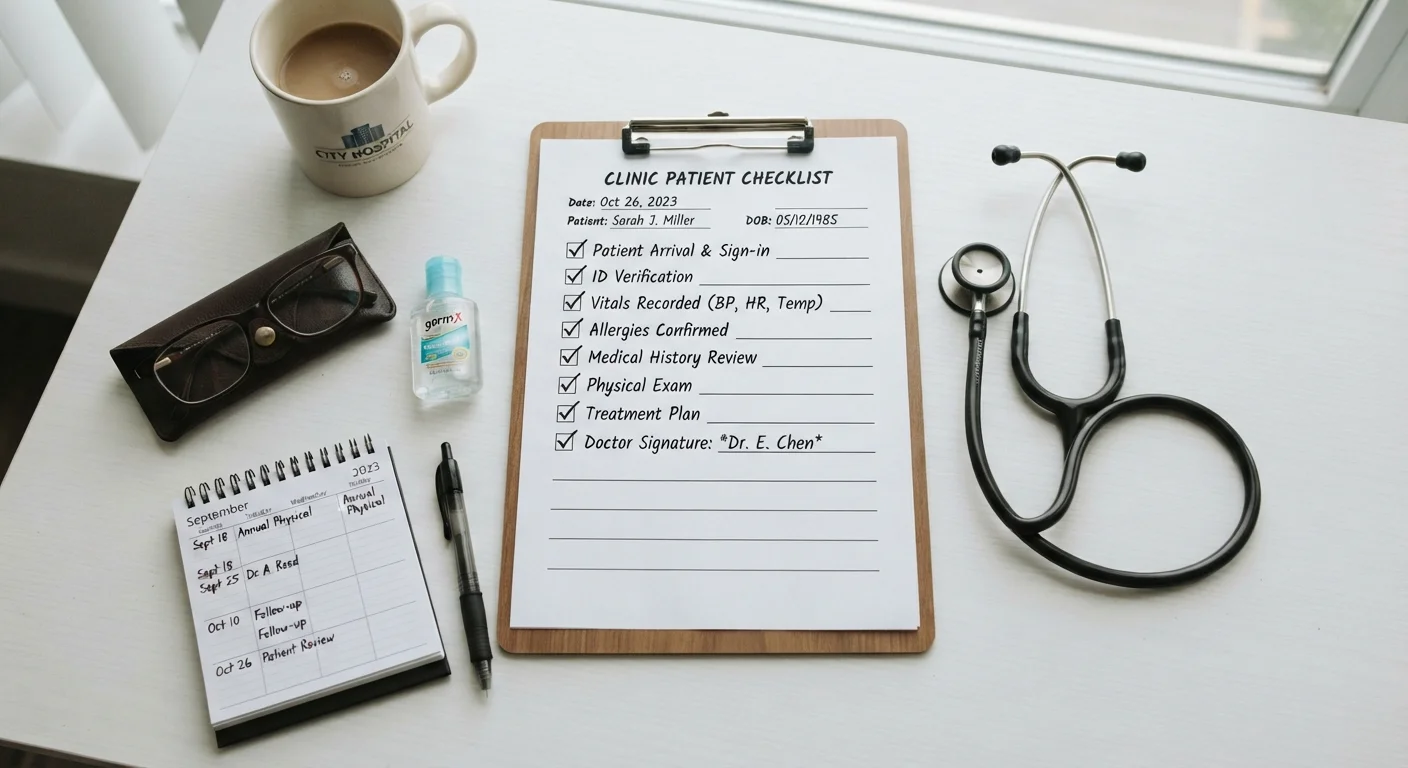
Why Preventive Care Deserves Its Own Annual Review
Preventive care — routine visits, screenings, and vaccinations designed to catch or prevent problems before symptoms appear — is consistently linked to better long-term health outcomes. Yet surveys repeatedly show that a large share of American adults skip at least one recommended preventive service each year, often because of time, cost concerns, or simply not knowing what applies to them.
This checklist is designed to close that gap. It covers the categories of care most adults should consider discussing with their healthcare provider at least once a year. It is not a substitute for personalized medical guidance — your provider will help you determine which items apply to your specific age, sex, family history, and health status.
For a broader view of how preventive priorities shift across your lifetime, see our life-stage preventive health roadmap. If you want a focused look at screenings organized by age and biological sex, our recommended health screenings reference is a useful companion resource.
Primary Care & Physical Exam
Screenings & Lab Work
Vaccinations
Dental & Vision
Mental Health & Lifestyle Review
Insurance & Administrative
Tools and Resources to Help You Prepare
Having the right information on hand before your appointments makes every visit more productive. The items below help you gather records, confirm coverage, and walk in prepared.
Personal Health Record or Health App
Stores your medical history, vaccination dates, lab results, and medication list in one place for easy reference at appointments.
Insurance Member Portal
Lets you confirm which preventive services are covered at no cost under your current plan before scheduling.
CDC Vaccine Schedule (Adult Immunization Schedule)
Provides the publicly available, up-to-date vaccination recommendations for adults by age and health condition.
Family Health History Document
Summarizes first-degree relatives' health conditions, helping your provider identify elevated risk for hereditary conditions.
Blood Pressure Log or Home Monitor
Tracks readings between appointments so your provider has a broader picture than a single in-office measurement.
Before your annual physical, it's worth reviewing what to document ahead of time. Our guide on tracking what to bring before your appointment walks through the key numbers and symptom patterns worth noting.
Preventive Screenings Are Not One-Size-Fits-All
The frequency and type of screenings that apply to you depend heavily on your age, biological sex, personal and family medical history, and lifestyle factors. Not every item on this checklist will be relevant to every adult. Use this list as a starting point for conversation with your provider — not as a self-diagnosis or self-prescription tool.
Coverage Rules for Preventive Services Vary
Under the Affordable Care Act, many preventive services are covered without cost-sharing when received from an in-network provider. However, coverage details depend on your specific plan, insurer, and the clinical context of the visit. A visit can shift from "preventive" to "diagnostic" based on what is discussed, affecting your out-of-pocket costs. Review your plan details or our annual health insurance review checklist before your appointment.
This article provides general health information for educational purposes only and is not a substitute for professional medical advice, diagnosis, or treatment. Always consult a qualified healthcare provider about your individual health needs and before making any changes to your care.