
Why Preparation Makes a Real Difference
The average primary care appointment lasts between 15 and 20 minutes. That is not much time to cover your health history, current concerns, new symptoms, and preventive screenings — unless you walk in prepared. Research consistently shows that patients who prepare questions and bring organized records get more out of clinical encounters and are more satisfied with their care.
This checklist is designed to help you use those minutes well. Whether you are heading to a routine annual physical or a general wellness visit, the steps below give your provider the information they need and give you the confidence to speak up. For a broader look at what a yearly wellness visit typically involves, see what to expect at your annual physical.
This checklist is for general informational purposes only and is not a substitute for personalized medical advice. Always consult a qualified healthcare professional for guidance specific to your health needs.
Medical Records and Documentation
Symptoms and Health Concerns
Questions to Ask Your Provider
Logistics and Insurance
Tools and Records to Have on Hand
Gathering the right materials before you start working through this checklist will make the process faster and more complete. Most items are likely already in your home or accessible through a patient portal.
Medication List (written or printed)
Provides your provider with an accurate picture of everything you currently take, reducing the risk of interactions or duplications.
Patient Portal Access
Allows you to review past lab results, update personal information, and submit pre-visit questionnaires before your appointment.
Insurance Card and Photo ID
Required for check-in verification and to confirm billing details at the time of your visit.
Notepad or Notes App
Helps you capture provider instructions, follow-up steps, and any new information shared during the appointment.
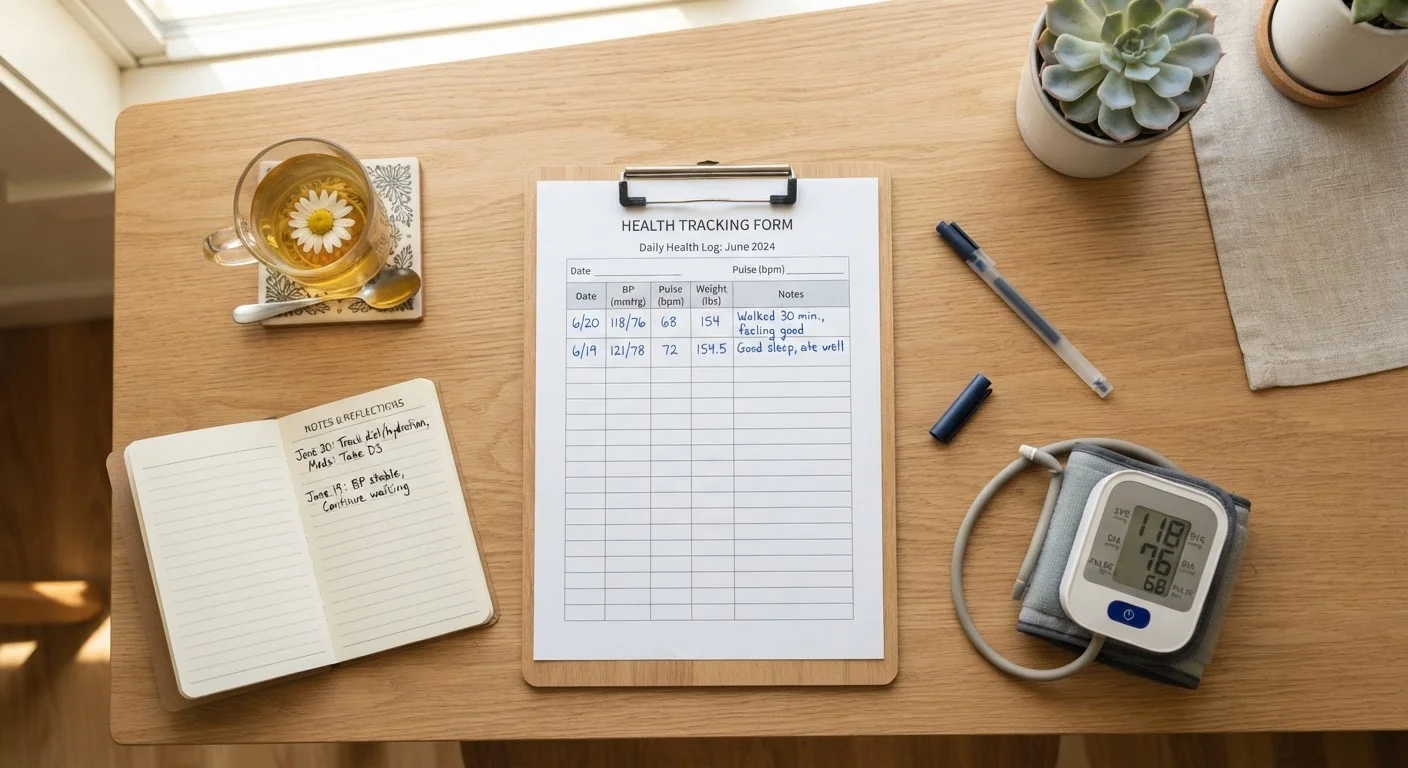
Home Health Log
A record of at-home blood pressure readings, weight trends, or symptom notes that gives your provider valuable data beyond a single office measurement.
If your provider offers a patient portal, log in a few days before your appointment to review your recent lab results, update your contact information, and confirm that your listed medications are accurate. Many practices now allow you to submit pre-visit forms or symptom notes electronically — check whether yours does.
It is also worth reviewing your health insurance coverage before you go. A quick check that your provider is still in-network and that your visit type is covered can prevent unexpected costs. Our annual health insurance review checklist walks through the key things to verify.
Getting the Most From Your Appointment
Completing a checklist is preparation — but how you engage during the visit matters just as much. Bring a trusted person if you anticipate complex news or have difficulty retaining information under stress. Take notes or ask whether the provider can send a visit summary through the patient portal.
Never Stop Medication Without Guidance
If you have concerns about a medication — including side effects, cost, or whether you still need it — raise those concerns with your provider during the visit. Do not stop, reduce, or change the dose of any prescription medication on your own before getting professional guidance. Abruptly discontinuing certain medications can carry serious health risks.
If you have been tracking symptoms, lifestyle habits, or biometric numbers such as blood pressure or weight at home, bring those records. Providers value longitudinal data that they cannot capture in a single office reading. For structured guidance on what to track in the weeks leading up to your appointment, see what to track before your annual physical.
After your visit, review any follow-up instructions before you leave the office — not in the parking lot. Ask about next steps, referral timelines, and when to expect results. Proactive engagement with your own preventive care is one of the most durable ways to support long-term health. Explore a year-round framework in our annual preventive care checklist for adults.