
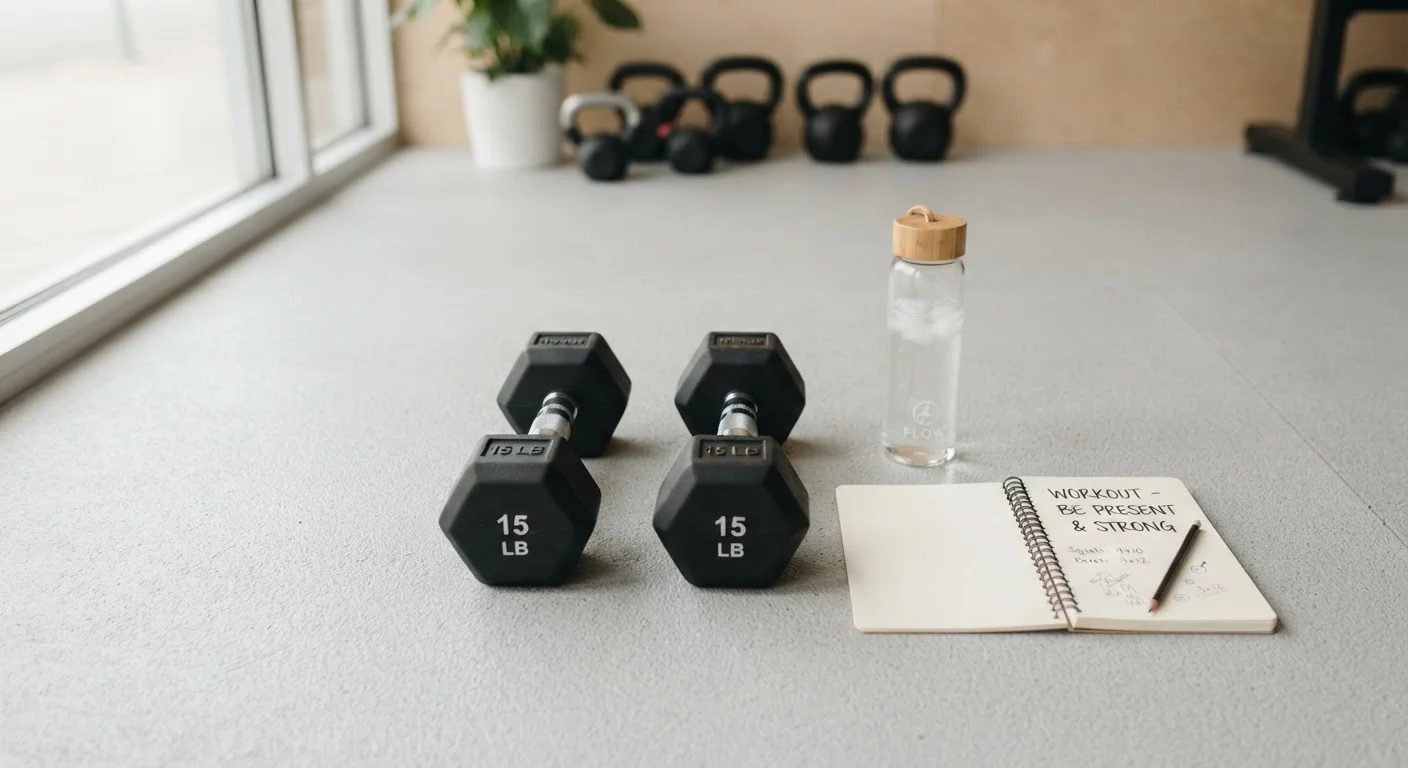
Why Strength Training Matters for Everyone
Strength training — also called resistance training — involves working muscles against some form of resistance, whether that's your own bodyweight, dumbbells, or a resistance band. It isn't reserved for athletes or gym regulars. Research consistently links regular resistance training to significant health benefits for everyday adults, including improved bone density, better blood sugar regulation, reduced risk of falls, and enhanced mental wellbeing.
The Physical Activity Guidelines for Americans, published by the U.S. Department of Health and Human Services, recommend that adults include muscle-strengthening activities at moderate or greater intensity on two or more days per week. Yet surveys show the majority of Americans don't meet this target. If you've never picked up a weight before, the gap between where you are and where guidelines suggest you could be is entirely closeable — and the starting point is simpler than most people expect.
Physical health and mental health are also deeply connected. Mental wellness starts with foundational habits, and exercise — including strength training — is consistently identified as one of the most impactful.
Key Concepts Before You Begin
Understanding a few core terms before your first session helps you follow programs, understand your body's responses, and train more intentionally.
Rep (repetition)
One complete execution of an exercise movement — for example, lowering into a squat and standing back up counts as one rep.
Set
A group of consecutive repetitions performed without rest. For example, doing ten squats in a row is one set of ten reps.
Progressive overload
The practice of gradually increasing the demands placed on your muscles over time — by adding reps, sets, or weight — so your body continues to adapt and grow stronger.
Compound movement
An exercise that engages multiple muscle groups and joints at once, such as a squat or push-up, making it highly efficient for building overall strength.
Posterior chain
The group of muscles running along the back of your body — including the glutes, hamstrings, and lower back — that are critical for posture, stability, and athletic movement.
Muscle hypertrophy
The scientific term for muscle growth — specifically, the increase in muscle fiber size that occurs in response to consistent resistance training.
One concept worth emphasizing early is progressive overload: your body adapts to whatever demands you place on it, so progress requires gradually increasing those demands over time — adding a rep, a set, or a small amount of weight every week or two. Without this, training plateaus quickly.
This article provides general health information only and is not a substitute for personalized advice from a qualified healthcare or fitness professional. If you have any medical conditions or injuries, consult your doctor before beginning a new exercise program.
The Foundational Movements Every Beginner Should Know
Effective strength training programs for beginners center on compound movements — exercises that work multiple muscle groups simultaneously. These give you the most benefit per session and build the functional strength that translates into everyday activities.
- Squat pattern: Builds leg and hip strength. Start with a bodyweight squat, focusing on keeping your chest up and knees tracking over your toes.
- Hinge pattern: Targets the posterior chain (glutes, hamstrings, lower back). A Romanian deadlift with light dumbbells is a safe beginner entry point.
- Push pattern: Develops chest, shoulders, and triceps. Wall push-ups or incline push-ups are appropriate starting variations before a full floor push-up.
- Pull pattern: Works the back and biceps. Resistance band rows or dumbbell rows are accessible options before progressing to pull-ups.
- Core bracing: A stable core protects your spine during every movement. Dead bugs and planks teach this without loading the spine under heavy resistance.
Form First, Weight Second
Before adding any resistance, practice each movement pattern with just your bodyweight until the motion feels natural and controlled. Recording yourself on a phone or working with a certified personal trainer for even one session can identify form issues that are hard to self-diagnose. Good mechanics built early prevent habits that are difficult to correct later.
If you're uncertain whether you have access to equipment, remember that many effective beginner programs require none at all. Our article on bodyweight exercise and the science behind it covers this in detail.
How to Structure Your First Weeks
A simple, sustainable structure works better than a complicated one you won't stick to. For most beginners, two to three full-body sessions per week — with at least one rest day between them — is a practical and evidence-aligned starting point.
A basic session might include one exercise from each movement pattern above, performed for two to three sets of eight to twelve repetitions. Rest 60–90 seconds between sets. The entire workout can be completed in 30–40 minutes.
Tracking your sessions in a notebook or app makes it easier to apply progressive overload — you'll know exactly what you did last time and can aim to do slightly more this time. For broader guidance on fitting strength work into your week, building a weekly exercise routine from scratch offers a practical framework.
Equipment Is Optional at the Start
You don't need a gym, barbells, or any equipment to begin building strength. Bodyweight variations of every foundational movement pattern exist and are legitimate training tools supported by research. As your strength and confidence grow, you can add resistance gradually — but it is never a prerequisite for getting started.
If you're managing a busy schedule, structuring fitness around a demanding week is also a useful companion read.
Common Beginner Mistakes and How to Avoid Them
Most early setbacks in strength training are predictable and preventable.
- Starting too heavy, too fast
- Ego loading — choosing weights that are too heavy to lift with proper form — is the leading cause of beginner injuries. Prioritize technique over load in the first four to six weeks.
- Skipping warm-up
- A five-to-ten minute warm-up of light cardio and dynamic movement primes joints and muscles and meaningfully reduces injury risk.
- Neglecting rest days
- Muscle grows during recovery, not during the workout itself. Consistently skipping rest leads to overtraining, fatigue, and stalled progress.
- Inconsistency
- Missing weeks and then training intensely to compensate is less effective than moderate, consistent effort. Two sessions a week, every week, outperforms sporadic bursts of effort.
Know When to Seek Professional Guidance
If you have cardiovascular disease, diabetes, osteoporosis, joint injuries, or any chronic health condition, consult your physician or a qualified healthcare provider before starting a strength training program. Certain exercises may need to be modified or avoided based on your individual health profile. A certified personal trainer can also help design a program appropriate to your specific needs and limitations.
Note that this guidance is for generally healthy beginners. If you are returning after illness, injury, or a significant break from exercise, a different approach applies — the restart checklist for returning to exercise is the more appropriate starting point.