
What Each Provider Actually Does
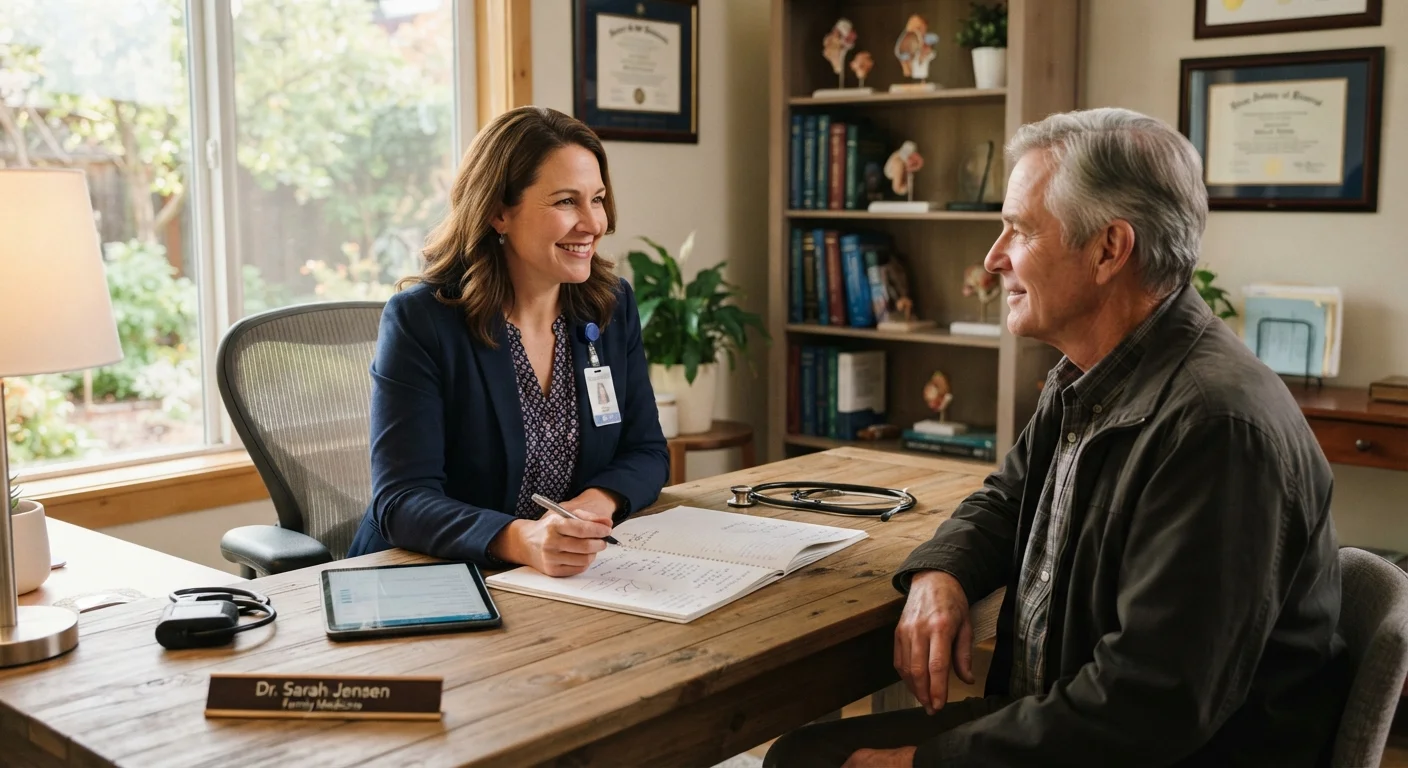
Primary care physicians (PCPs) — including family medicine doctors, general internists, and pediatricians — are trained to manage the full spectrum of common health concerns across a patient's lifetime. Their role in preventive care is broad and well-established: annual wellness visits, blood pressure and cholesterol screening, diabetes risk assessments, age-appropriate cancer screenings, immunizations, and behavioral health counseling all fall within their scope.
Specialists, by contrast, focus on a defined organ system or disease category — cardiology, gastroenterology, oncology, and so on. They provide preventive services only within their area of expertise. A cardiologist may counsel on heart disease prevention; a gastroenterologist manages colonoscopy screening. But they rarely serve as a patient's all-around preventive anchor.
For a deeper grounding in what preventive care actually covers, see our Preventive Care 101 overview.
| Primary Care Physician | Specialist | |
|---|---|---|
| Scope of preventive care | Broad — covers most standard screenings | Narrow — focused on one system or condition |
| Typical visit type | Annual wellness exam, routine follow-up | Condition-specific or risk-triggered evaluation |
| Immunizations | Yes — routine adult and childhood vaccines | Rarely, and only if condition-relevant |
| Cancer screening | Standard population-level screenings | Enhanced protocols for high-risk individuals |
| When involvement is triggered | Proactively, as part of ongoing care | When risk factors or history warrant referral |
| Insurance referral required | Usually not needed for PCP visits | Often required for specialist access |
| Coordination role | Central hub for all care | Supplemental — reports back to PCP |
When Your PCP Is the Right Choice
The U.S. Preventive Services Task Force (USPSTF) issues evidence-based screening and counseling recommendations for the general population — and the vast majority of those recommendations are designed to be carried out in primary care settings. Blood pressure checks, fasting glucose tests, depression screenings, lung cancer screening for eligible smokers, cervical cancer screening, and standard lipid panels are all part of what your PCP is equipped to order, interpret, and act on.
Primary care is also where your health history lives. A PCP who knows your medication list, family background, and lifestyle habits is better positioned to prioritize which preventive steps actually apply to you — rather than running tests in isolation. This longitudinal relationship is one of primary care's core advantages in prevention.
Make the Most of Your Annual Visit
Before your yearly wellness appointment, write down any changes in your family health history, new symptoms you've noticed, and questions about screenings you may have read about. Arriving prepared helps your PCP identify which preventive steps are most relevant to your current risk profile. Even a 20-minute visit can accomplish a great deal with the right information in hand.
When a Specialist Adds Preventive Value
Specialist involvement in prevention is generally driven by elevated risk — not routine care. Common scenarios include:
- Cardiology: Individuals with a strong family history of early heart disease, or those with borderline risk factors that a PCP flags for closer evaluation, may benefit from a cardiologist's assessment of subclinical cardiovascular disease.
- Gastroenterology: People with a first-degree relative diagnosed with colorectal cancer before age 60 typically require earlier or more frequent colonoscopy screening than standard guidelines recommend.
- Oncology or genetics: Those carrying known genetic mutations (such as BRCA1/BRCA2) benefit from specialist-led cancer surveillance protocols that go beyond standard mammography schedules.
- Endocrinology: Patients with prediabetes and complicating factors may be referred for specialized metabolic monitoring.
In each case, the specialist's preventive role is additive — layered on top of, not replacing, primary care. For people living with a diagnosed chronic condition, this coordination becomes especially important. Our article on preventive care for chronic condition management explores how these relationships work in practice.
How Referrals and Care Coordination Work
The most effective path to specialist preventive care usually runs through your PCP. Your primary care provider can identify when your risk profile warrants specialist input, write a referral (often required by insurance), share relevant records, and remain the integrating hub for recommendations that come back from specialty visits.
Going directly to a specialist without a referral — or without informing your PCP — can create gaps. Duplicate testing, missed medication interactions, and conflicting recommendations are real risks when providers operate without shared information.
Fragmented Care Can Create Gaps
Seeing multiple specialists without a coordinating primary care provider increases the risk of overlapping tests, missed screenings, and contradictory recommendations. If you do see specialists regularly, make sure at least one provider has a complete picture of all your current medications, diagnoses, and recent test results. This is especially important for older adults and those managing more than one chronic condition.
It's also worth remembering that preventive care is not purely physical. Mental health screening is increasingly recognized as part of comprehensive prevention — your PCP can initiate depression and anxiety screening, and coordinate referrals to behavioral health providers when needed. See our piece on mental health as preventive care for more on this dimension.
If you're uncertain whether your annual check-in belongs with a generalist or a specialist, our companion article on knowing where preventive visits belong offers additional guidance.
This article is for general informational and educational purposes only and does not constitute medical advice. Always consult a qualified healthcare professional for guidance tailored to your personal health situation.