4 tips for dealing with asthma

4 tips for dealing with asthma
Asthma is a respiratory condition wherein the airways in the lungs swell up, become narrow, and produce extra mucus, making it difficult to breathe. People affected can experience breathlessness, coughing, and wheezing. The disease could be a minor issue for some, while others may have to deal with serious long-term symptoms. Although there is no permanent cure for asthma, here are treatment options, foods to have and avoid, and alternative therapies to manage the symptoms: Treatment options Doctors can recommend the right course of treatment based on the severity of asthma symptoms. Here are a few popular options: Tezepelumab: It is a popular treatment option, approved by the FDA as a supplementary maintenance remedy for pediatric patients over 12 and adults with asthma. Tezepelumab is an injectable option and the first and only biologic to significantly and consistently reduce severe asthma symptoms in clinical trials. Fasenra: This is a monoclonal antibody that works on the immune system activity in the body. Fasenra helps control the elevated eosinophil count responsible for severe asthma symptoms. This injection is suitable for children over 12 and adults and can be used with other treatment plans to keep flare-ups in check. Nucala: This is a monoclonal antibody that also reduces the eosinophils in the body.

Top 9 foods for healthy lungs

Top 9 foods for healthy lungs
Life isn’t fun when one can’t breathe properly. Years of unhealthy lifestyle habits and other factors can seriously affect the functions of the lungs, resulting in asthma, chronic obstructive pulmonary disease (COPD), pulmonary fibrosis, and other respiratory diseases that decrease quality of life. Fortunately, one can manage these diseases and even prevent them altogether by incorporating certain foods into their meal plans. Here are some foods that can boost lung health: Beetroots When it comes to the health of the vital organ, beetroot and even its leaves are among the best foods anyone can have. That’s mainly because both beetroot and beet greens are rich in nitrates, which help relax blood vessels, reduce blood pressure, and optimize oxygen uptake. Beet greens are full of nutrients essential to lung functions, such as vitamin C, potassium, magnesium, and carotenoid antioxidants. To benefit from beets, add them to salads or make beet juice. Turmeric This yellow spice has been used for centuries to treat various ailments. Curcumin, the main component in turmeric, is behind all the health benefits. Its antioxidant, anti-inflammatory, and antimicrobial characteristics can make turmeric extremely useful for improving lung function and aiding in conditions such as asthma, COPD, and pulmonary fibrosis.

4 ways to relieve constipation

4 ways to relieve constipation
When constipated, one’s bowel movements become difficult and infrequent. People with constipation find it challenging to pass stool and can experience hard stool, bloating, or even nausea. Not having enough fiber or fluids can cause constipation, and factors like pregnancy, traveling, sedentary lifestyle, and stress can also increase the risk of developing this condition. Constipation is usually treatable and can be managed using the following treatment options, foods, and lifestyle changes: Treatment options Doctors can prescribe laxatives and other such options based on the severity of the condition. Here are a few popular options to treat constipation: Linzess: This increases the fluid content in the intestines, which accelerates the food movement through the gut. It also helps improve stool consistency and eases symptoms like discomfort, abdominal pain, straining, bloating, and feeling of incomplete bowel movements. Doctors recommend taking Linzess orally, at least half an hour before one’s first meal. Movantik: This option is prescribed to cure the kind of constipation that is a side effect of other treatment options that target non-cancer pain. Movantik curtails the impact of the other prescription treatments on the gut without blocking their effect on pain. This is an oral prescription treatment that should be taken on an empty stomach an hour before a meal or two hours after one.

3 fruit intake tips for people with diabetes

3 fruit intake tips for people with diabetes
Fruits are an important source of nutrients that humans need. Having these natural desserts is a delicious way of satisfying sudden bouts of hunger, which is a common symptom that people with diabetes experience. However, fruits may contain carbs and sugar. So, can diabetes patients have them to satisfy their sweet cravings and nutritional needs? While they can add certain fruits to their nutritional regimen, here are some tips that people with diabetes should follow: Choose the right fruits Adding fruits to one’s meals when affected by diabetes requires caution, as one has to avoid foods that can negatively affect their blood sugar levels. Nevertheless, one must try to opt for fresh fruits. Alternatively, people can choose frozen fruits or those packed in their juice. However, processed fruits in cans and jars should be avoided as they can come with added sugars, which can raise the glucose levels in diabetes patients. One should check the food labels to avoid buying food products with added sugar. Sugar can be added to a product in different forms, including cane sugar, corn sweetener, invert sugar, high fructose corn syrup, and dextran. Here are some of the safest and healthiest fruit choices for people with the condition:

11 foods to help whiten teeth naturally

11 foods to help whiten teeth naturally
Teeth staining can happen for several reasons, such as aging, poor eating habits, and an unhealthy lifestyle. To combat this, one could follow good oral hygiene, periodic dental cleaning, and professional tooth whitening to improve the color of the teeth. But apart from these measures, individuals could also make certain lifestyle choices, such as eating healthy foods. Below is a list of eleven foods that should be part of one’s meal regime for brighter teeth. Strawberries Eating strawberries could benefit one’s teeth, especially its color. The berry is rich in malic acid concentration, a property used in many toothpaste formulas. The acid works like a natural astringent and helps remove the tooth surface discoloration. One should note that strawberries are also abundant in citric acid, which may weaken the enamel. Therefore, each individual must wait at least 30 minutes to brush their teeth after consuming strawberries or other acidic foods. One could also rinse their mouth with water to negate the effects of citric acid after eating the berry. Onions Many are unaware of the health benefits associated with onions regarding oral hygiene. While the vegetable might cause bad breath, eating it in small amounts may benefit the teeth. The food contains antibacterial sulfur compounds that may prevent plaque from forming on the teeth.

14 Foods to Eat for Better Lung Health

14 Foods to Eat for Better Lung Health
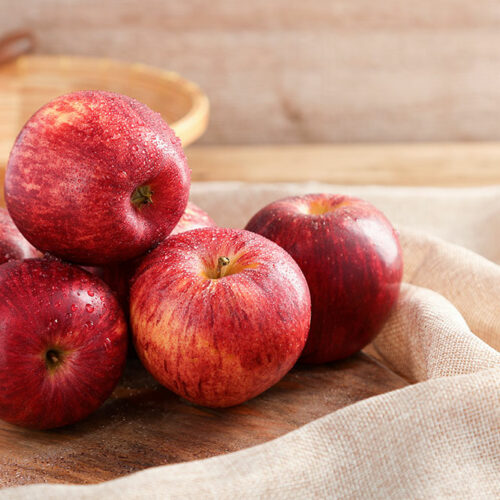
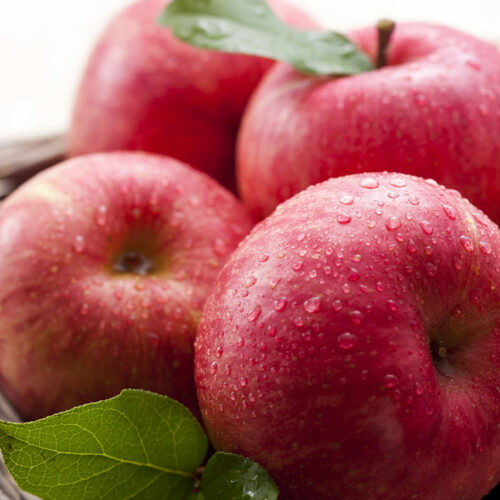
Our lungs play a vital role in the functioning of our body, so it is crucial to care for them. Increased exposure to air pollutants, microbes, and allergens can cause inflammation in the airways and lead to breathing trouble. These pollutants can also increase the risk of severe respiratory problems like asthma and chronic bronchitis. One way to keep the lungs healthy in the long term is to eat foods that help them function better. Apples Apples are packed with the antioxidant quercetin, which helps keep the lungs healthy. This red fruit also contains vitamin C, vitamin E, and flavonoids, which promote lung function. People who eat apples regularly have an improved lung capacity and experience a slower decline in lung functioning that occurs naturally with age. Peppers Vitamin C is an antioxidant that protects against certain lung diseases like asthma and lung cancer. This vitamin is abundant in red bell peppers, chili peppers, and cayenne peppers. Cayenne peppers, in particular, are also a great source of capsaicin and beta-carotene. One can add these peppers to salads or pasta to benefit from vitamin C and antioxidants. Beets This root vegetable is loaded with nitrates, a natural chemical that may support lung health.

Our
Blog.

5 styling ideas for women over 60

5 styling ideas for women over 60

Age is a number when setting a true style statement. Regardless of anyone’s perception, just because you are reaching the 60s doesn’t imply to stop working on your appearance and renounce your desires to look fabulous. Fashion is not just merely about trends; it is about how you express yourself through clothes as the myths of age must not limit your expression. So, here are a few best styling ideas for women over 60: Embrace your age One of the most typical fashion mistakes people make is choosing outfits that are supposed to make them appear younger than their actual age. The problem with such a choice is that you are paradoxically accentuating your age when you try to look younger by wearing an outfit that will be more appropriate for youngsters. For example, if you don high heels, short skirts, or flashy fashions that might be more appropriate for a person half your age, you are indirectly making yourself appear “older.” Instead, you can opt for clothes that are specially tailored for women your age. Sporting “age-appropriate” dresses will conceal your age and make others appreciate your other features like glowing skin or your build. And consequently, you will appear much younger than your actual age.
Read More
5 tips to prevent and manage ulcerative colitis

5 tips to prevent and manage ulcerative colitis

Ulcerative colitis is a long-term inflammatory disease that triggers inflammation and ulcers in the digestive system. It impacts the colon and rectum’s innermost lining. The symptoms are typically produced over a period rather than unexpectedly. According to the latest studies, about 1 million people have ulcerative colitis, and if left untreated, it can be crippling and cause life-threatening conditions. So, here are 5 tips to prevent and manage ulcerative colitis: Get on with the treatment plan immediately Even though there is no concrete cure for ulcerative colitis, proper treatment can help ease the symptoms and signs of the condition and eventually provide long-term remission. If a patient feels that their bowel habits are consistently changing or if they experience any of the following symptoms and signs, they should immediately consult a doctor: Blood in stool Ongoing diarrhea that is not getting cured by any other types of treatments An unknown fever going on for more than a day or two Abdominal pain Diarrhea that wakes up the patient from sleep The treatments prescribed by the doctor will typically include a combination of oral therapy or surgery. As far as oral treatments are concerned, the doctor may prescribe any of the following types of therapies, depending on the patient’s existing condition:
Read More