Unveiling the silent killer – Symptoms of hypertension

Unveiling the silent killer – Symptoms of hypertension
Hypertension or high blood pressure is a condition in which the pressure in the arteries when the heart beats and rests between beats is higher than the normal range (120 over 80). This changes according to the activities one does throughout the day. Hypertension is known as a silent killer because its symptoms usually go unnoticed until it gets to an advanced stage. Here are some signs and symptoms one should watch out for before it gets too late. Headaches It is normal to get headaches, but if you have persistent and throbbing pain, it may be a sign of hypertension. This is especially noticed when you wake up in the morning. Dizziness One could feel dizzy for several reasons, and hypertension should not be ruled out as the illness causing this symptom. Some people may even experience fainting due to high blood pressure. So be aware of any changes in your body’s normal functions. Blurred vision The eyes contain many tiny blood vessels, which, when subjected to high blood pressure, may lead to rupture of these vessels. It could lead to retinopathy or blood vessel damage. This lack of blood flow to the retina can lead to blurred vision or even loss of sight.

9 unhealthy habits that can harm skin health

9 unhealthy habits that can harm skin health
A person’s skin is a reflection of their lifestyle and the foods they eat. If an individual follows a good skincare routine, such as bathing daily, moisturizing the skin regularly, and drinking plenty of water daily, their skin will remain fresh, soft, hydrated, and, above all, healthy. On the other hand, certain unhealthy nutritional and lifestyle habits are incredibly harmful to one’s skin. Here are some habits that can worsen one’s skin health. Chatting on the phone constantly Most people do not regularly clean or wipe their phone screens, allowing bacteria and germs to accumulate on its surface. On top of that, people spend a lot of time resting their chin or cheek against their phones. It causes the bacteria to come into contact with the skin directly, causing eventual, long-term breakouts and skin infections. Additionally, leaning one’s phone against the face causes friction, heat, and complete or partial blockage of certain blood vessels, leaving the skin in much worse condition. To avoid this, one can use a headset to prevent their face from touching their phone screen. Ignoring moles A mole can be a severe issue; however, most people ignore them, considering they are harmless. Moles are more than just prickly dark spots that one develops during certain seasons.

12 early symptoms of gastric cancer

12 early symptoms of gastric cancer
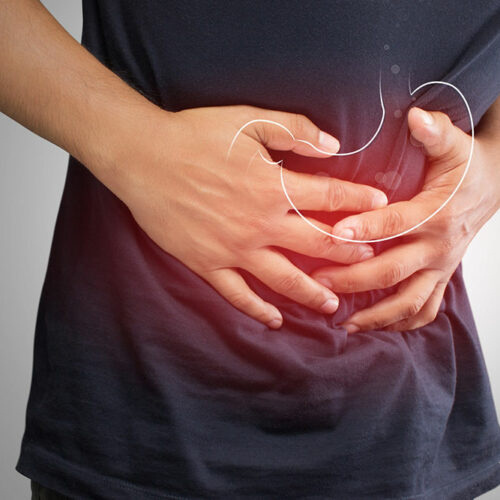
Gastric cancer, also known as stomach cancer, is a severe health condition that silently develops within the stomach lining, often without noticeable symptoms in its early stages. This makes early detection and diagnosis challenging, as the disease is frequently diagnosed at an advanced stage with limited treatment options. However, understanding the early warning signs and symptoms associated with gastric cancer can be crucial for early intervention and improved prognosis. Let’s look at some of them. Persistent indigestion One of gastric cancer’s earliest and most common symptoms is persistent indigestion or dyspepsia. If one frequently experiences discomfort or pain in the upper abdomen, accompanied by bloating, heartburn, or a feeling of fullness even after consuming small meals, it could be a sign that something is amiss. While indigestion is often attributed to food choices or stress, it should not be ignored if it persists for weeks or months. Swelling or enlargement of the abdomen region In some cases, gastric cancer can cause the stomach to enlarge or swell due to the growth of the tumor. This enlargement may lead to a visible and palpable mass in the abdominal area. So, if one notices unusual swelling or enlargement of the abdomen that cannot be attributed to bloating, it is essential to seek medical attention promptly.

8 Simple Tips To Prevent Hair Damage

8 Simple Tips To Prevent Hair Damage
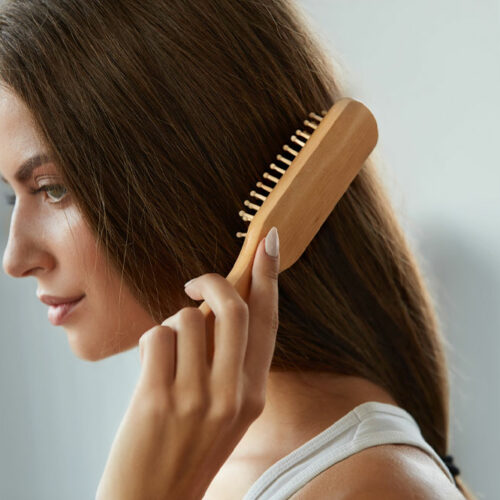
Most people have probably given in to using hair products, such as gels, dyes, and other items loaded with harmful chemicals. Many others might be dealing with natural conditions that damage the hair structure. It would result in conditions including the loss of hair in patches, split ends, and dandruff. But it’s not too late to get things back on track. Here are eight tips to improve and maintain the condition of your hair- Bathe with lukewarm water The scalp produces certain oils that serve as natural conditioners for the hair. But if one bathes with hot water, they risk stripping the head of these oils, which could cause shiny hair to turn dull. So you should avoid washing your hair with hot water. However, it doesn’t mean you have to shower with cold water. You could use lukewarm water to wash your hair and massage the scalp by using an appropriate shampoo while you’re at it. Wash oily hair frequently Typically, individuals may wash their hair every 2 to 3 days. However, the gap between each wash may vary among people. The duration between each wash should depend on the amount of oil the scalp produces. If the produced oil is excessive, one may need to wash it at least once daily.

11 period mistakes to avoid for better health and hygiene

11 period mistakes to avoid for better health and hygiene
Periods tend to be synonymous with menstrual pain, cramps, and other symptoms and are a hassle for almost every individual who menstruates. Approximately 80% of menstruating individuals experience period pain at some point. Period management involves several effective strategies and home remedies to alleviate discomfort and ensure hygiene and safety during this time. In addition, being aware of certain common period mistakes can help ensure a more hassle-free menstrual cycle: Changing pads and tampons infrequently Tampons and pads are a hotbed for the accumulation of bacteria, regardless of the amount of flow. Such bacteria can cause vaginal and urinary infections and emit an unpleasant odor. Individuals with normal blood flow should change their pads or tampons once every 3-4 hours, while those experiencing heavy menstruation should do so more frequently. Being dehydrated The body loses more fluids during menstruation than on other days. Thus, it requires more water to perform various functions, including regulation of body temperature and bowel movements, lubrication of joints, and supply of oxygen and nutrients to cells. Lack of water intake can slow down these functions, increasing weakness and fatigue. It is advisable to have a bottle of water handy throughout the day and set reminders if required to take water breaks frequently during one’s period.

20 natural ways to delay periods

20 natural ways to delay periods
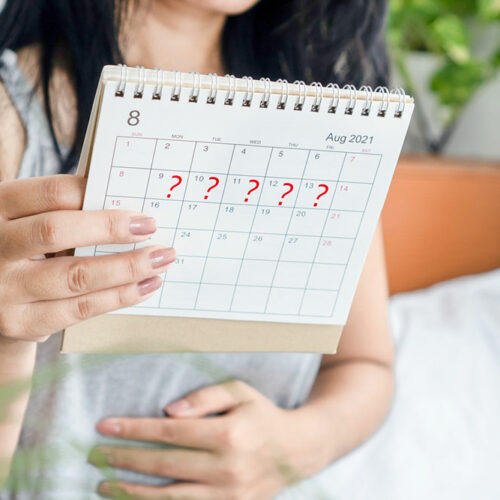
Menstruation can be a regular and sometimes inconvenient part of life. There may be special occasions like an upcoming vacation or an athletic competition where one might not want to deal with the discomfort of a period and would like to choose a natural method to delay a period. It’s important to note that these methods may not be foolproof and should be discussed with a healthcare provider, as individual responses can vary. Vitamin C Increasing the intake of vitamin C can interfere with the production of progesterone, a hormone that prepares the body for menstruation. Consuming citrus fruits or juices may help delay one’s period. Parsley Parsley is thought to have mild emmenagogue properties. Drinking parsley tea may help delay one’s periods, although its effectiveness varies from person to person. Ginger Ginger has anti-inflammatory properties that could potentially delay menstruation. One can consume ginger tea or add fresh ginger to one’s meals. Chamomile Tea Chamomile tea is known for its calming effects and may help regulate hormones associated with menstrual cycle. Drinking chamomile tea regularly could regulate one’s period. Turmeric Turmeric contains curcumin, which may affect hormone levels. It also anti-inflammatory properties that may also influence a menstrual cycle.

Our
Blog.

5 styling ideas for women over 60

5 styling ideas for women over 60

Age is a number when setting a true style statement. Regardless of anyone’s perception, just because you are reaching the 60s doesn’t imply to stop working on your appearance and renounce your desires to look fabulous. Fashion is not just merely about trends; it is about how you express yourself through clothes as the myths of age must not limit your expression. So, here are a few best styling ideas for women over 60: Embrace your age One of the most typical fashion mistakes people make is choosing outfits that are supposed to make them appear younger than their actual age. The problem with such a choice is that you are paradoxically accentuating your age when you try to look younger by wearing an outfit that will be more appropriate for youngsters. For example, if you don high heels, short skirts, or flashy fashions that might be more appropriate for a person half your age, you are indirectly making yourself appear “older.” Instead, you can opt for clothes that are specially tailored for women your age. Sporting “age-appropriate” dresses will conceal your age and make others appreciate your other features like glowing skin or your build. And consequently, you will appear much younger than your actual age.
Read More
5 tips to prevent and manage ulcerative colitis

5 tips to prevent and manage ulcerative colitis

Ulcerative colitis is a long-term inflammatory disease that triggers inflammation and ulcers in the digestive system. It impacts the colon and rectum’s innermost lining. The symptoms are typically produced over a period rather than unexpectedly. According to the latest studies, about 1 million people have ulcerative colitis, and if left untreated, it can be crippling and cause life-threatening conditions. So, here are 5 tips to prevent and manage ulcerative colitis: Get on with the treatment plan immediately Even though there is no concrete cure for ulcerative colitis, proper treatment can help ease the symptoms and signs of the condition and eventually provide long-term remission. If a patient feels that their bowel habits are consistently changing or if they experience any of the following symptoms and signs, they should immediately consult a doctor: Blood in stool Ongoing diarrhea that is not getting cured by any other types of treatments An unknown fever going on for more than a day or two Abdominal pain Diarrhea that wakes up the patient from sleep The treatments prescribed by the doctor will typically include a combination of oral therapy or surgery. As far as oral treatments are concerned, the doctor may prescribe any of the following types of therapies, depending on the patient’s existing condition:
Read More