6 key health benefits of probiotics

6 key health benefits of probiotics
Probiotics constitute a significant component of a healthy nutritional regime. Hundreds of brands sell probiotics in the market, and several blogs and websites exist exclusively to count probiotics’ never-ending benefits. But do we understand the actual mechanism through which probiotics work? For that, we need to be clear about the definition of probiotics. We need to know what and how they function. Read this article to learn the definition and some key benefits of probiotics: What are probiotics? Your body contains within itself both good and bad bacteria. Probiotics are the good bacteria. When an infection affects your body, the number of harmful bacteria exceeds the number of beneficial bacteria in your body. To destroy these harmful bacteria and restore the balance in your body, you need to get good bacteria from external sources. These external sources include probiotic supplements or fermented foods. Some typical probiotic foods are probiotic yogurt, kefir, sauerkraut, kimchi, tempeh, and many more, while supplements include refrigerated capsules, shelf-stable capsules, liquid beverages, and powders. Key benefits of probiotics Probiotics are good bacteria and have several benefits, and several scientific studies back these benefits. Here is a list of the 6 most popular probiotics benefits you should know of:

7 snack ideas for lowering cholesterol levels

7 snack ideas for lowering cholesterol levels
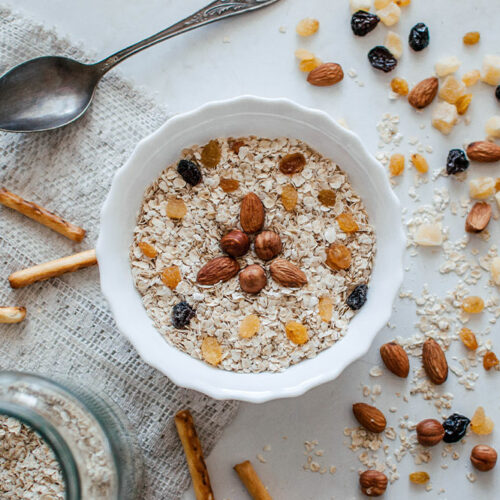
The CDC suggests that about 38% of adults in the country have high cholesterol levels. This puts them at risk of heart diseases and serious complications. So, it is important to regulate ones bad cholesterol levels by getting an adequate amount of heart-healthy fats and fiber. Adding sources like fruits, vegetables, seeds, nuts, whole grains, and legumes can help one get the necessary nutrients. So, here are seven snack ideas to lower one’s cholesterol levels: Oatmeal The versatility of oats is unmatched, so one can add them to any recipe of choice. Additionally, oatmeal is the go-to snack when it comes to lowering cholesterol. It is rich in soluble fibers that bind to cholesterol and flush them out before they can reach the bloodstream. Besides fiber, one serving of oatmeal contains high levels of protein and heart-friendly antioxidants. Fresh or dried fruits and honey are recommended additions to oatmeal as they can help achieve better results. Fruit bowl Fruit bowls are another way of adding low-cholesterol snacks into one’s daily diet. Fruits are incredibly rich in fiber and can make people feel full for extended periods. Additionally, they are a rich source of essential minerals and vitamins. Some of the most effective foods include almonds and fruits like berries and apples.

7 Early Warning Signs of Ataxia One Should Not Ignore

7 Early Warning Signs of Ataxia One Should Not Ignore
Ataxia is a debilitating disorder associated with the nervous system. The cerebellum, a component of the brain, undergoes damage in this health condition. As this component is needed for movement coordination, individuals with Ataxia show symptoms such as stumbling, falling, speaking in a slurry manner, and not having control over eye movement. Ataxia can be detected and diagnosed at an early stage based on specific early symptoms, which are discussed below. Difficulty with balance and coordination Since Ataxia affects the cerebellum, it causes people with this condition to perpetually experience a feeling of unsteadiness while standing or walking. One may constantly feel that they may fall due to a lack of balance. Apart from that, individuals with this condition may also have difficulty with changing directions or turning, and may frequently stumble or fall while attempting to do so. Moreover, some patients may also face balance-related problems while standing on one leg. Ataxia also adversely affects motor coordination. So, people with this condition lose control of their arms and legs and some other vital muscles. This can cause involuntary movement in a person’s fingers, hands, arms, legs, and other muscles in the body. Slurred speech and swallowing difficulties Among the muscles affected by Ataxia are the ones that aid speaking.

7 uncomfortable questions to ask a gastroenterologist

7 uncomfortable questions to ask a gastroenterologist
“Gut health is the key to overall health.” After all, almost two-thirds of our body’s immune system resides in the gut. Whatever a person consumes forms the foundation of their overall health. And even a slight problem with gut health can cause many issues, ranging from skin conditions to poor mental health. However, despite its importance, people often find it embarrassing to openly talk to a gastroenterologist about their digestive health. It is essential, though, for everyone to understand that it is completely normal to ask questions and share things about their health with the doctor. Here are a few common questions about digestive health that people should not feel uncomfortable asking their gastroenterologist: 1. Why do feces have an unusual color? When it comes to digestive health, a lot of people feel uncomfortable talking about their feces and bowel movements. However, not discussing it with the doctor may do more harm than good. This is because if a person has noticed an unusual change in their feces, like its color, it may be a symptom of an underlying condition. Sometimes, the color of feces can also change based on the consumption of certain colored foods, although that is not always the case.

7 Medical Conditions That Can Trigger Hair Loss

7 Medical Conditions That Can Trigger Hair Loss
It is normal to lose fifty to one hundred hairs per day. This suggests that new hair is replacing the existing hair as the hair goes through its natural growth cycle. Alopecia, which is another name for hair loss, however, denotes a more serious health condition where a person loses more than a hundred strands every day. Here are several underlying diseases that may be the cause of the hair loss. What are the indications of severe hair loss? Hair loss caused by illnesses can appear in different ways. For some, the signs may appear suddenly, and for others, they may only be visible over a period. Some general signs include: Bald patches on the scalp Broken hair Redness or swelling on the scalp Sudden thinning of hair Loss of hair in the beard, eyebrows, or elsewhere in the body Which diseases trigger hair loss? Here are some health conditions that may trigger hair loss in some people: Lupus Lupus is an autoimmune condition in which one’s immune system cannot differentiate between the body’s healthy cells and the foreign bodies and begins attacking them. Hair loss is one of the most common signs of lupus and occurs when the inflammation affects the scalp.

Avoid These 12 Triggers to Manage Lupus

Avoid These 12 Triggers to Manage Lupus
A chronic autoimmune condition, lupus affects millions of people around the world. It is a disease wherein the immune system is triggered to attack the healthy tissues causing increased inflammation, pain, and damage to different organs and body parts. Different people experience varying symptoms in varying degrees, including skin rashes, joint pain, fever, fatigue, and problems related to kidneys. Although there is no cure for the condition, it is essential to manage it with the help of lifestyle changes and proper treatment. Sun exposure Prolonged sun or UV light exposure is among the most common causes of flare-ups and worsening symptoms in lupus patients. The ultraviolet radiation in sunlight cause joint pain, skin rashes, and fatigue in lupus patients. Some treatments for the condition also increase the skin’s sensitivity to sunlight. To protect against any damage from the sun, people with lupus are advised to wear protective clothing like hats, long-sleeved shirts, and full-length pants. It is also essential not to skip board spectrum sunscreens as they can help prevent sun damage. Remember to use sun protection with a minimum SPF of 30. Stress Stress is a common trigger for lupus and can worsen its symptoms. When the body is stressed, it releases hormones that can increase inflammatory levels and further weaken the immune system.

Our
Blog.

5 styling ideas for women over 60

5 styling ideas for women over 60

Age is a number when setting a true style statement. Regardless of anyone’s perception, just because you are reaching the 60s doesn’t imply to stop working on your appearance and renounce your desires to look fabulous. Fashion is not just merely about trends; it is about how you express yourself through clothes as the myths of age must not limit your expression. So, here are a few best styling ideas for women over 60: Embrace your age One of the most typical fashion mistakes people make is choosing outfits that are supposed to make them appear younger than their actual age. The problem with such a choice is that you are paradoxically accentuating your age when you try to look younger by wearing an outfit that will be more appropriate for youngsters. For example, if you don high heels, short skirts, or flashy fashions that might be more appropriate for a person half your age, you are indirectly making yourself appear “older.” Instead, you can opt for clothes that are specially tailored for women your age. Sporting “age-appropriate” dresses will conceal your age and make others appreciate your other features like glowing skin or your build. And consequently, you will appear much younger than your actual age.
Read More
5 tips to prevent and manage ulcerative colitis

5 tips to prevent and manage ulcerative colitis

Ulcerative colitis is a long-term inflammatory disease that triggers inflammation and ulcers in the digestive system. It impacts the colon and rectum’s innermost lining. The symptoms are typically produced over a period rather than unexpectedly. According to the latest studies, about 1 million people have ulcerative colitis, and if left untreated, it can be crippling and cause life-threatening conditions. So, here are 5 tips to prevent and manage ulcerative colitis: Get on with the treatment plan immediately Even though there is no concrete cure for ulcerative colitis, proper treatment can help ease the symptoms and signs of the condition and eventually provide long-term remission. If a patient feels that their bowel habits are consistently changing or if they experience any of the following symptoms and signs, they should immediately consult a doctor: Blood in stool Ongoing diarrhea that is not getting cured by any other types of treatments An unknown fever going on for more than a day or two Abdominal pain Diarrhea that wakes up the patient from sleep The treatments prescribed by the doctor will typically include a combination of oral therapy or surgery. As far as oral treatments are concerned, the doctor may prescribe any of the following types of therapies, depending on the patient’s existing condition:
Read More