6 common breast pumping mistakes to avoid

6 common breast pumping mistakes to avoid
A pump is a great tool for every breastfeeding mom. It gives you the flexibility to provide breastmilk to your baby even when you need to be away for some time. Or when your baby is not latching. Thus, pumping makes a mom’s life a little easier. At the same time, the pumping process can be frustrating and uncomfortable. However, making a few changes to your process or learning new techniques makes a lot of difference. Here are a few common pumping mistakes and ways to rectify them. Not using hands-free pumping bras If you are exclusively pumping and not nursing, it can keep you occupied for a significant amount of time daily. So you may end up sitting there holding your bra in place for almost two hours. Whether you wish to multitask or relax by scrolling through your phone or reading a book, you won’t be able to. The time you spend pumping will be completely blocked by this activity. What you can do Purchase a couple of hands-free pumping bras. These will make things easier for you. With your hands free, you can multitask while you are pumping. While buying these bras, make sure what your requirements are.

Herpes simplex virus – Symptoms, causes, and management

Herpes simplex virus – Symptoms, causes, and management
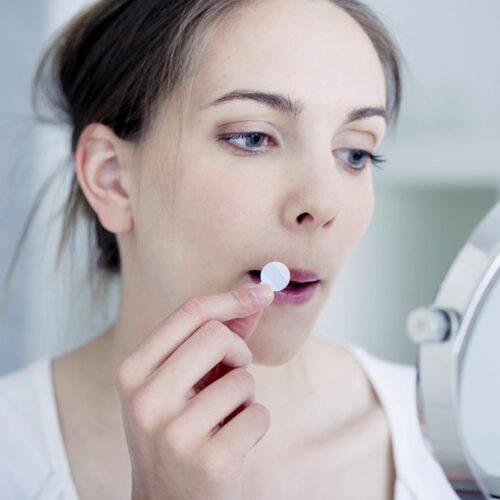
Herpes simplex virus (HSV), commonly known as herpes, is an infection that may result in painful blisters or ulcers. The disease is primarily spread through skin-to-skin contact. There are two types of the herpes simplex virus, type 1 and type 2. According to researchers, around 3.7 billion people under age 50 are diagnosed with herpes simplex virus type 1 (HSV-1) infection, and about 491 million aged 15 to 49 globally with herpes simplex virus type 2 (HSV-2) infection. Symptoms There are a few things that one should note about the symptoms of the herpes simplex virus. Most people with herpes do not experience any symptoms or only mild symptoms. Others might not even be aware that they have the infection and may pass it along to others unknowingly. The symptoms of the condition may include painful, recurring blisters or ulcers. Furthermore, new infections may result in body aches, a fever, and swollen lymph nodes. An individual with the disease might experience varied symptoms during the first episode of infection than when it recurs. If symptoms occur, they might begin with itching, tingling, or burning sensations near where the sores appear. The common symptoms of oral herpes include blisters (cold sores) or open sores (ulcers) around the mouth or lips.

Follow These 7 Tips for a Healthy and Glowing Skin

Follow These 7 Tips for a Healthy and Glowing Skin
Good skin care is the key to retaining your skin’s natural glow and preventing various skin problems. It does not always require spending dollars on various beauty treatments. Instead, you can practice a healthy skin care regimen to boost and naturally maintain glowing and youthful skin. These methods will help keep the skin’s elasticity, reduce wrinkles and fine lines, and control acne. Here are seven simple tips to make your skin look healthy and beautiful. Apply sunscreen every day One of the ways to keep your skin healthy is by protecting it from the sun’s damaging ultraviolet rays. Chronic exposure to sunlight can cause burns and pigmentation. Over time it can reduce skin’s elasticity leading to visible signs of aging and other skin diseases. To protect your skin from the sun’s damaging rays, make sure you are applying sunscreen generously to all areas of exposed skin before going outside. It is good to choose a broad-spectrum tinted moisturizer sunscreen for the face, with an SPF of at least 30, depending on your skin type. Tinted sunscreens not only work to protect against sun damage but can also camouflage imperfections such as hyperpigmentation and blemishes. Get the right nutrition Eating nutrient-rich foods is one of the best ways to treat your skin from the inside.

14 Tips for Naturally Sparkling Eyes

14 Tips for Naturally Sparkling Eyes
No matter your age, your eyes are the most expressive part of your face. They are often perceived as a reflection of your health and mood. The contrast between the color of your iris and its white backdrop grants your eyes a sense of brightness, excitement, and health. Taking good care of your eyes can highlight this contrast and make your eyes sparkle. So, here are ten tips that may help do the same: Avoid prolonged exposure to dry air Air can be arid in high altitudes, in deserted climates, and on airplanes. It is essential to avoid these areas or use a humidifier when possible. You can also be exposed to dry air when riding a motorcycle or using hair dryers or car heaters that blow wind directly into your eyes. Avoiding prolonged exposure to dry air and keeping yourself hydrated can prevent your eyes from getting itchy and red. Use green tea bags Placing cooled green tea bags on your eyelids can help you reduce swelling and discomfort, mainly if you deal with puffy or irritated eyes. This is because of polyphenols like Epigallocatechin gallate (EGCG), which has anti-inflammatory and antioxidant effects on the cornea. To derive the most benefits out of them, steep the tea bags in warm water.

11 Signs of Poor Eyesight Due to High Sugar

11 Signs of Poor Eyesight Due to High Sugar
The human eyes are windows to the world, allowing one to witness its beauty and intricacies. But did you know that excessive sugar intake could take a toll on your eyesight? Research suggests that high sugar levels in the body can contribute to various eye health issues. Sugar has become a ubiquitous part of modern meal plans, with its sweet temptations lurking in countless foods and beverages. While the harmful effects of sugar on overall health are well-known, its impact on eyesight is often overlooked. This ignorance makes it all the more important to look into the matter with the severity it deserves. Blurred vision Excessive sugar intake can lead to fluctuations in blood sugar levels, causing the lens in the eye to swell, resulting in blurred vision. It can occur intermittently, especially after eating sugary foods or drinking sweetened beverages. The vision may take some time to return to normal after the sugar levels stabilize. If you notice recurring blurred vision, it is essential to monitor your sugar intake and consult an eye care specialist for a comprehensive evaluation. Increased sensitivity to light High sugar levels can cause the eye’s lens to become more sensitive to light, leading to increased light sensitivity or photophobia.

12 lesser-known symptoms of a migraine

12 lesser-known symptoms of a migraine
Besides throbbing head pain, migraines can cause a range of lesser-known symptoms that can be equally distressing. From elusive prodrome signs like mood changes and food cravings to sensory disturbances like altered taste and auditory sensitivity, these hidden aspects of migraines significantly impact a person’s well-being in the long run. This brief post sheds light on a few lesser-known migraine symptoms, emphasizing their importance in accurate diagnosis and better management. Prodrome symptoms Before the onset of the actual headache, many migraine patients experience a phase known as the prodrome. This phase can trigger various subtle symptoms: Mood changes: Individuals may experience mood swings, irritability, or sudden changes in temperament. Some become unusually excitable or anxious during this phase. Food cravings: Intense cravings for specific foods, especially sweets or carbohydrates, can be a prodromal symptom. These cravings are thought to be related to changes in brain chemistry. Increased thirst and urination: Some notice increased thirst and more frequent urination during the prodrome phase. This can be attributed to shifts in the body’s fluid balance. Neck stiffness: Neck stiffness or discomfort is a less-common prodromal sign but can cause discomfort. Sensory changes Migraines can profoundly affect the senses, leading to a range of unusual experiences:

Our
Blog.

5 styling ideas for women over 60

5 styling ideas for women over 60

Age is a number when setting a true style statement. Regardless of anyone’s perception, just because you are reaching the 60s doesn’t imply to stop working on your appearance and renounce your desires to look fabulous. Fashion is not just merely about trends; it is about how you express yourself through clothes as the myths of age must not limit your expression. So, here are a few best styling ideas for women over 60: Embrace your age One of the most typical fashion mistakes people make is choosing outfits that are supposed to make them appear younger than their actual age. The problem with such a choice is that you are paradoxically accentuating your age when you try to look younger by wearing an outfit that will be more appropriate for youngsters. For example, if you don high heels, short skirts, or flashy fashions that might be more appropriate for a person half your age, you are indirectly making yourself appear “older.” Instead, you can opt for clothes that are specially tailored for women your age. Sporting “age-appropriate” dresses will conceal your age and make others appreciate your other features like glowing skin or your build. And consequently, you will appear much younger than your actual age.
Read More
5 tips to prevent and manage ulcerative colitis

5 tips to prevent and manage ulcerative colitis

Ulcerative colitis is a long-term inflammatory disease that triggers inflammation and ulcers in the digestive system. It impacts the colon and rectum’s innermost lining. The symptoms are typically produced over a period rather than unexpectedly. According to the latest studies, about 1 million people have ulcerative colitis, and if left untreated, it can be crippling and cause life-threatening conditions. So, here are 5 tips to prevent and manage ulcerative colitis: Get on with the treatment plan immediately Even though there is no concrete cure for ulcerative colitis, proper treatment can help ease the symptoms and signs of the condition and eventually provide long-term remission. If a patient feels that their bowel habits are consistently changing or if they experience any of the following symptoms and signs, they should immediately consult a doctor: Blood in stool Ongoing diarrhea that is not getting cured by any other types of treatments An unknown fever going on for more than a day or two Abdominal pain Diarrhea that wakes up the patient from sleep The treatments prescribed by the doctor will typically include a combination of oral therapy or surgery. As far as oral treatments are concerned, the doctor may prescribe any of the following types of therapies, depending on the patient’s existing condition:
Read More