13 tasty foods for a healthy heart
13 tasty foods for a healthy heart
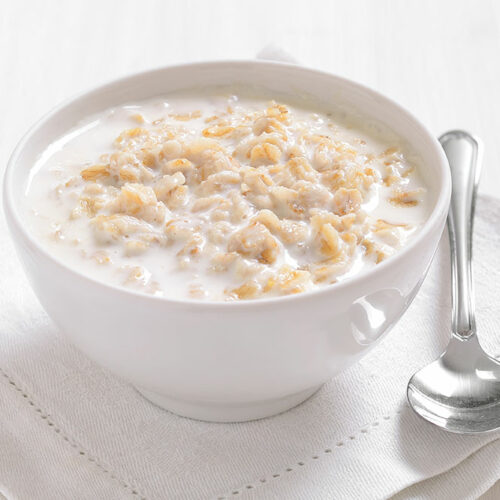
Cardiovascular diseases are prevalent in our country. Statistics suggest that one in every five fatalities is associated with heart problems. Therefore, it is essential to adopt an active lifestyle and follow a meal plan that improves heart health. The foods listed below taste great by themselves, and you can also mix them with other ingredients to make them more palatable. But seek a nutritionist’s guidance to avoid the aggravation of underlying health conditions. Oatmeal Most people consider oatmeal a breakfast food, but it is more than just that. Oatmeal can be had any time of the day, especially in the form of granola bars, whenever hunger pangs are bothering. It is rich in soluble fiber, which causes the liver to produce more bile. Bile, in turn, helps lower LDL cholesterol. So a bowl of oatmeal mixed with your favorite foods can be a great step toward a healthy heart. Black bean salsa When the cravings are for something delicious yet healthy, have some black bean salsa. It is packed with soluble fiber that brings down bad cholesterol levels to a healthy range. Add some veggies, corn, and mango for a splash of color and to get all the essential nutrients and vitamins.
10 foods to a brighter glowing skin

10 foods to a brighter glowing skin
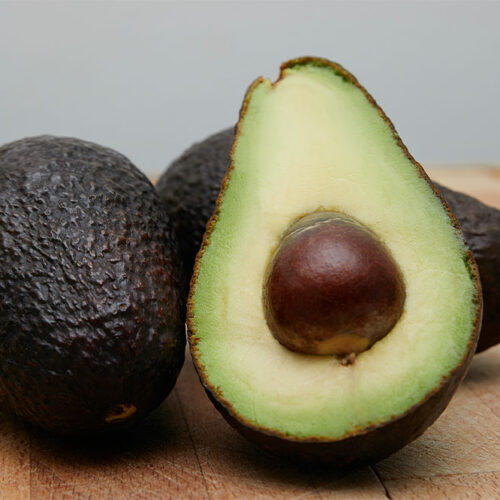
Skin care these days has become synonymous with splurging on masks, serums, creams, and massagers. As beneficial as these enriched solutions are, they cannot do it all. One of the main reasons for dull, lifeless skin is improper nourishment. It has long been known that the skin and hair reflect the kind of nourishment our body receives. Read this article to learn more about healthy and nourishing foods for nourished skin: Avocados If we had to pick just one food to maintain healthy glowing skin among the numerous options available, avocado would be it. Its rich and creamy texture provides versatility that helps incorporate the fruit into various recipes. Avocados carry a trusting balance of healthy fats, essential nutrients, and taste. It is truly a superfood that significantly assists in maintaining the skin’s firm and fresh look. Its fatty acid content makes it a natural moisturizer and keeps the skin dewy looking through all seasons. Berries Antioxidants have a bigger picture to paint when it comes to health than we generally give them credit for. The ability of these compounds to help maintain physical, mental, and emotional well-being is unmatched. So is their ability to keep the skin glowing, fresh, and free of blemishes.

Foods and Beverages to Avoid Before Flying

Foods and Beverages to Avoid Before Flying
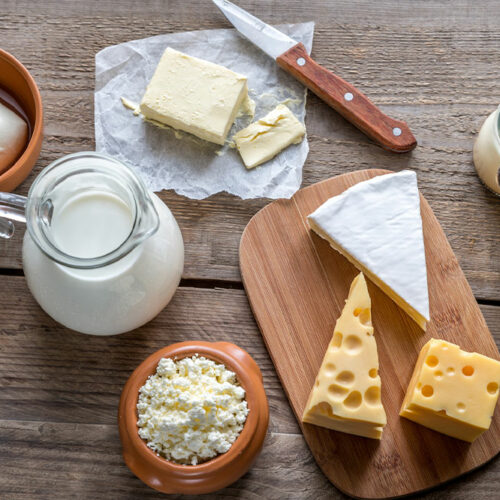
Dealing with an upset stomach is one of the common concerns most travelers have while boarding a long-haul flight. Whether a person is traveling domestically or internationally, it is common to have an upset stomach, and sometimes, the symptoms may flare up, making it embarrassing for travelers to explain. To avoid such challenging scenarios and prevent health complications, here are some common foods and beverages to avoid having before boarding flights. Dairy products Long-haul flights, lasting more than 6 hours, can negatively affect one’s digestive system. Nausea, vomiting, and diarrhea are some common issues people experience with an upset stomach. It happens because the stomach contents get churned up with changes in altitude and cabin pressure. Furthermore, people who are lactose intolerant won’t be able to digest the sugars found in dairy entirely. This indigestion will lead to gas and bloating. Therefore, avoiding consuming dairy products on or before boarding a long-haul flight is best. Travelers must avoid fatty milk, cheese, milk curds, baked goods, and processed snacks made with milk or yogurt as the main ingredients before taking a flight. Cruciferous vegetables Broccoli, cauliflower, Brussels sprouts, and cabbage may be nutrient-dense. However, avoiding these items before boarding a flight is advised, mainly because these vegetables can cause gas.

Common Foods that Cause Tooth Decay

Common Foods that Cause Tooth Decay
Certain foods have a significant impact on teeth and gums. Some foods promote healthy gums, while others cause plaque buildup. Plaque is a sticky film of bacteria that can cause tooth decay and enamel erosion and lead to the development of cavities. This causes several complications, such as pain, chewing problems, and tooth abscesses. Here are the top foods that can hamper oral health and must be avoided at all costs. Sour candies It’s no surprise that candies cause tooth damage. However, sour candies contain several different acids that adversely affect your teeth. They are also chewy and sticky, which means they stay around in your mouth for a longer period, causing more damage. If you are keen on having something sweet, opt for a softer piece of chocolate that you can chew and ingest quickly and wash off any remnants from your mouth. Bread Refined carbohydrates such as white bread and white rice can worsen oral health. When we chew on these starches, the saliva converts them into sugar, which can get stuck between the teeth and cause cavities. If you’re looking for carbohydrates, opt for whole wheat bread, as they typically contain fewer added sugars. Carbonated beverages Sugary, carbonated drinks like soda and sports beverages have several negative effects on one’s health, such as cardiovascular disease, insulin resistance, and more.

11 Foods That May Trigger Epilepsy

11 Foods That May Trigger Epilepsy
Epilepsy is a brain disorder that can cause recurring seizures. Today, there are different types of epilepsy where the cause of some is known, and for others, the causes haven’t been identified yet. This condition is quite common. It can affect people across genders and ethnic backgrounds. According to estimates, 1 in 26 people develop the condition. Fortunately, there are treatments available to control the seizures. This can include avoiding trigger foods. Foods that can trigger or worsen epilepsy In most cases, symptoms of epilepsy depend on the type of seizure. This is because the condition is caused due to certain activity in the brain. However, making certain lifestyle changes can help control the symptoms. Hence, here are some foods that can trigger or worsen epilepsy and its associated symptoms. Bananas While bananas have a variety of health benefits, their potassium content can cause health issues for people with epilepsy. Excessive consumption of the fruit can lead to high potassium levels in the body. This can give way to periodic seizures that can affect the quality of life of the patient. Therefore, patients are suggested to consume the fruit in fewer amounts or avoid it altogether. Coffee Caffeinated beverages like coffee and tea often trigger an overactive central nervous system ( CNS).

10 foods that help manage arthritis

10 foods that help manage arthritis
Arthritis is an inflammatory health condition that results in swelling across multiple joints in the body. It is a common problem that may cause stiffness and pain in the affected regions. Healthcare experts may indicate a range of treatment plans and therapies to improve symptoms of arthritis. But they may also recommend making lifestyle changes to curb symptoms of arthritis. Here are some of the best foods that help manage the condition and its symptoms. Pineapple The flavorful fruit contains a class of enzymes such as bromelain and is considered healthy for people with arthritis. Bromelain works as an effective enzyme that releases anti-inflammatory and pain-relieving effects. The property is especially known to relieve the symptoms of osteoarthritis but may also help tackle the symptoms of rheumatoid arthritis. One could either eat pineapple fresh or drink its juice. Other ways to enjoy the fruit include blending it with other anti-inflammatory foods like romaine lettuce, ginger, and cilantro. One should also add water to the concoction until it reaches a preferred consistency. Salmon Fatty fish like salmon are one of the healthiest food sources for multiple reasons. The fish contains high amounts of omega-3 fatty acids known for their anti-inflammatory effects.

Our
Blog.

5 styling ideas for women over 60

5 styling ideas for women over 60

Age is a number when setting a true style statement. Regardless of anyone’s perception, just because you are reaching the 60s doesn’t imply to stop working on your appearance and renounce your desires to look fabulous. Fashion is not just merely about trends; it is about how you express yourself through clothes as the myths of age must not limit your expression. So, here are a few best styling ideas for women over 60: Embrace your age One of the most typical fashion mistakes people make is choosing outfits that are supposed to make them appear younger than their actual age. The problem with such a choice is that you are paradoxically accentuating your age when you try to look younger by wearing an outfit that will be more appropriate for youngsters. For example, if you don high heels, short skirts, or flashy fashions that might be more appropriate for a person half your age, you are indirectly making yourself appear “older.” Instead, you can opt for clothes that are specially tailored for women your age. Sporting “age-appropriate” dresses will conceal your age and make others appreciate your other features like glowing skin or your build. And consequently, you will appear much younger than your actual age.
Read More
5 tips to prevent and manage ulcerative colitis

5 tips to prevent and manage ulcerative colitis

Ulcerative colitis is a long-term inflammatory disease that triggers inflammation and ulcers in the digestive system. It impacts the colon and rectum’s innermost lining. The symptoms are typically produced over a period rather than unexpectedly. According to the latest studies, about 1 million people have ulcerative colitis, and if left untreated, it can be crippling and cause life-threatening conditions. So, here are 5 tips to prevent and manage ulcerative colitis: Get on with the treatment plan immediately Even though there is no concrete cure for ulcerative colitis, proper treatment can help ease the symptoms and signs of the condition and eventually provide long-term remission. If a patient feels that their bowel habits are consistently changing or if they experience any of the following symptoms and signs, they should immediately consult a doctor: Blood in stool Ongoing diarrhea that is not getting cured by any other types of treatments An unknown fever going on for more than a day or two Abdominal pain Diarrhea that wakes up the patient from sleep The treatments prescribed by the doctor will typically include a combination of oral therapy or surgery. As far as oral treatments are concerned, the doctor may prescribe any of the following types of therapies, depending on the patient’s existing condition:
Read More