Leukemia – Silent Signs, Causes, and Management Options

Leukemia – Silent Signs, Causes, and Management Options
Leukemia is cancer that affects the blood cells and bone marrow. It is a condition that requires prompt medical attention. While some forms of leukemia can be cured, others may require lifelong treatment to manage symptoms and prolong survival. Some symptoms of leukemia are obvious, such as fatigue and frequent infections, but there are also silent signs that may go unnoticed. Here are some common symptoms, causes, and treatment options for leukemia. What is leukemia? Leukemia is a cancer of the blood cells that affects the bone marrow, the spongy tissue inside the bones that produces blood cells. Leukemia occurs when the bone marrow produces abnormal white blood cells, which are known as leukemia cells. These leukemia cells do not function properly and can crowd out healthy blood cells in the bone marrow. This can lead to various health problems, including anemia, infections, and bleeding disorders. There are four main types of leukemia: chronic lymphocytic leukemia (CLL), acute lymphoblastic leukemia (ALL), acute myeloid leukemia (AML), and chronic myeloid leukemia (CML). Silent signs of leukemia Bruising and bleeding Leukemia cells can interfere with the body’s ability to produce platelets responsible for clotting the blood. As a result, people with leukemia may experience bruising and bleeding, even from minor injuries.

10 uncommon signs of dehydration explained

10 uncommon signs of dehydration explained
Over 75% of the human body is made up of water. And every day, the body loses fluids that must be replenished by simply drinking water or fluids. Water is critical for maintaining electrolyte balance, promoting blood circulation, and even helping the body flush out toxins through urination. If the fluids are not replenished as and when required, it increases the risk of dehydration. Here are unusual signs of dehydration one must be aware of. Dark urine Water helps flush out toxins from the body, where the kidneys purify the blood and evacuate fluids via the bladder. Regular urine is usually pale yellow or a lighter shade in color. But if one notices a darker shade of urine, it is indicative that the body requires more water to enable this process. Similarly, the frequency of urination can also indicate severe dehydration. If the person is not passing urine at all, it is a worrying sign of dehydration that should not be ignored. Dryness of the skin Drinking water helps the skin remain more supple. However, reduced water intake can affect this elasticity causing the skin to become dry and extremely rippled. Doctors advise taking a pinch test to see if the skin bounces back into its original texture after a quick pinch.

11 foods to help whiten teeth naturally

11 foods to help whiten teeth naturally
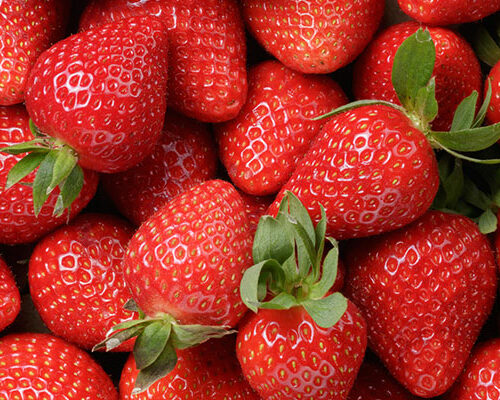
Teeth staining can happen for several reasons, such as aging, poor eating habits, and an unhealthy lifestyle. To combat this, one could follow good oral hygiene, periodic dental cleaning, and professional tooth whitening to improve the color of the teeth. But apart from these measures, individuals could also make certain lifestyle choices, such as eating healthy foods. Below is a list of eleven foods that should be part of one’s meal regime for brighter teeth. Strawberries Eating strawberries could benefit one’s teeth, especially its color. The berry is rich in malic acid concentration, a property used in many toothpaste formulas. The acid works like a natural astringent and helps remove the tooth surface discoloration. One should note that strawberries are also abundant in citric acid, which may weaken the enamel. Therefore, each individual must wait at least 30 minutes to brush their teeth after consuming strawberries or other acidic foods. One could also rinse their mouth with water to negate the effects of citric acid after eating the berry. Onions Many are unaware of the health benefits associated with onions regarding oral hygiene. While the vegetable might cause bad breath, eating it in small amounts may benefit the teeth. The food contains antibacterial sulfur compounds that may prevent plaque from forming on the teeth.

6 exclusions of a dental insurance plan

6 exclusions of a dental insurance plan
Healthcare is a crucial aspect of any country, and it can be quite expensive if an individual does not have insurance such as Medicare. One of the healthcare options available is dental insurance, which can help save a lot of money on annual appointments and treatments. However, many people are not aware of the limitations of dental insurance. Here are six things that dental insurance plans may not cover. Cosmetic dentistry Restorative dentistry might be necessary when it’s related to one’s well-being. However, insurance companies usually classify cosmetic dentistry as an elective procedure and may not cover the cost of treatment. One should also note that many cosmetic dentists use restorative procedures, such as porcelain crowns, dental implants, and tooth veneers, for restorative and cosmetic purposes. Therefore, insurance may cover some or all of one’s restorative procedures but will not cover elective cosmetic procedures. If a dental procedure is necessary due to decay, disease, an accident, or injury, it may be considered a restorative procedure, and the insurance may cover some or all of the cost. It’s also important to note that some restorative procedures may be covered under insurance if they serve a functional purpose, such as replacing missing teeth or improving the mechanics of a patient’s bite.

Foods to Avoid to Manage Eosinophilic Esophagitis

Foods to Avoid to Manage Eosinophilic Esophagitis
Eosinophilic Esophagitis, or EoE, is a chronic digestive disease of the esophagus caused by an allergic condition. It is characterized by chest pain, heartburn, and solid food dysphagia. If this disorder is left untreated, it can cause esophageal remodeling and stricture formation. This disorder is also marked by eosinophilic inflammation and impacts the quality of life of the affected person. You can check out various reliable health websites to get information on eosinophilic esophagitis. A patient with EoE must be very careful with his health and meal plans, as research suggests that EoE is linked to food allergies. Therefore, the six most common food items that are responsible for such allergies include: Dairy Cow milk is said to be one of the most common reasons for EoE. Milk protein can trigger too many eosinophils. You should avoid food items made up of milk, buttermilk, lactose, and other related dairy products. You can replace dairy products with coconut hemp, dairy-free yogurts, cashew ice cream, etc. Soy Soy-based food items include tofu, soy butter, soymilk, and miso. Soy cheese, soy nuts, soy milk, etc., should be avoided and can be substituted with refined soybean oil or coconut aminos. Wheat You might think wheat is only found in bread, cereal, or baked goods.

6 Foods to Eat to Manage Psoriatic Arthritis

6 Foods to Eat to Manage Psoriatic Arthritis
Psoriatic arthritis is a form of arthritis that develops in some people with psoriasis, a chronic skin condition. It occurs when a person’s immune system starts to attack the body’s cells, leading to inflammation in joints and the overproduction of skin cells. It affects close to 1-3 percent of the world’s population. It is non-curable, and few treatment options aim to manage the symptoms. Read along to learn about its symptoms, triggers, and more. What are the symptoms of psoriatic arthritis? Many signs and symptoms of psoriatic arthritis are similar to those of rheumatoid arthritis. The manifestations of this disease also may vary from person to person. Some of the common indicators of the condition include: Scaly and inflamed skin, especially on the knees, scalp, and elbows. Pain, swelling, and stiffness in one or more back, hips, or neck joints. Lack of energy or tiredness. Tenderness in the soles and heels Swelling of a whole toe. Dents or pits in the nails. Inflammation of the eye and blurry vision accompanied by redness or pain. What triggers psoriatic arthritis? The cause of psoriatic arthritis is an immune system disorder, where your immune system acts against your body. Both genetic and environmental factors seem to influence this response.

Our
Blog.

5 styling ideas for women over 60

5 styling ideas for women over 60

Age is a number when setting a true style statement. Regardless of anyone’s perception, just because you are reaching the 60s doesn’t imply to stop working on your appearance and renounce your desires to look fabulous. Fashion is not just merely about trends; it is about how you express yourself through clothes as the myths of age must not limit your expression. So, here are a few best styling ideas for women over 60: Embrace your age One of the most typical fashion mistakes people make is choosing outfits that are supposed to make them appear younger than their actual age. The problem with such a choice is that you are paradoxically accentuating your age when you try to look younger by wearing an outfit that will be more appropriate for youngsters. For example, if you don high heels, short skirts, or flashy fashions that might be more appropriate for a person half your age, you are indirectly making yourself appear “older.” Instead, you can opt for clothes that are specially tailored for women your age. Sporting “age-appropriate” dresses will conceal your age and make others appreciate your other features like glowing skin or your build. And consequently, you will appear much younger than your actual age.
Read More
5 tips to prevent and manage ulcerative colitis

5 tips to prevent and manage ulcerative colitis

Ulcerative colitis is a long-term inflammatory disease that triggers inflammation and ulcers in the digestive system. It impacts the colon and rectum’s innermost lining. The symptoms are typically produced over a period rather than unexpectedly. According to the latest studies, about 1 million people have ulcerative colitis, and if left untreated, it can be crippling and cause life-threatening conditions. So, here are 5 tips to prevent and manage ulcerative colitis: Get on with the treatment plan immediately Even though there is no concrete cure for ulcerative colitis, proper treatment can help ease the symptoms and signs of the condition and eventually provide long-term remission. If a patient feels that their bowel habits are consistently changing or if they experience any of the following symptoms and signs, they should immediately consult a doctor: Blood in stool Ongoing diarrhea that is not getting cured by any other types of treatments An unknown fever going on for more than a day or two Abdominal pain Diarrhea that wakes up the patient from sleep The treatments prescribed by the doctor will typically include a combination of oral therapy or surgery. As far as oral treatments are concerned, the doctor may prescribe any of the following types of therapies, depending on the patient’s existing condition:
Read More