11 Things to Clarify With a Doctor During a Health Checkup

11 Things to Clarify With a Doctor During a Health Checkup
The COVID-19 pandemic and growing health conditions have made people understand the importance of staying healthy and fit. People search the internet for exercise routines, nutritious foods, and alternative methods to improve overall well-being. But despite following a better lifestyle, certain underlying conditions might trigger health complications. This is why getting a regular health checkup is imperative. One should cross-check certain factors during a checkup to get a clearer picture of their health. Health issue risks Health issues may stem from multiple underlying factors, including gender, age, and genetics. Unhealthy lifestyle habits are another contributing factor to the eruption of unsuspecting diseases. Therefore, one of the first things an individual should ask the healthcare professional, following a diagnosis, is if they are at risk of health issues. It is essential to get an honest opinion from the healthcare expert in this regard. Understanding stress Bringing up depression, stress, or anxiety problems isn’t an easy task. However, asking the healthcare expert about these mental health conditions may contribute to the routine checkup and make a better diagnosis. The patient could work with the doctor to look for new stress-related symptoms, which could help them develop ways to improve their condition. Complications with genetics Sometimes an individual might suffer from the same health conditions as a family member.


Things to do and avoid for healthy nails

Things to do and avoid for healthy nails
One may have weak nails if they bend, chip, or break easily. This is a common problem, making one use acrylic and gel nails to get the length and shape they design without relying on their own nails. However, this is only a temporary solution for brittle nails. Making a few changes, like eating well-balanced meals, practicing good hygiene, and protecting their nails, can help restore their health and make them stronger. Things to do Staying hydrated Water is crucial for maintaining a healthy mind and body, which includes nail health. If one does not have enough water and fluids during the day for the nails to get moisture, they may experience brittle nails. Maintaining optimum hydration levels will help one retain moisture in the nails and strengthen them. Using mild nail products One should skip nail paints and other products that contain compounds like formaldehyde, toluene, and DBP. All of these are harsh on the nails and can end up weakening them. One can try to find brands known for non-toxic, mild nail polishes. Products that do not contain these 3 harsh ingredients often come with “3-free” labels. One might also find some 5-free and 7-free paints that skip harsh chemicals like camphor, xylene, formaldehyde resin, and TPHP.

Foods and Beverages to Avoid Before Flying

Foods and Beverages to Avoid Before Flying
Dealing with an upset stomach is one of the common concerns most travelers have while boarding a long-haul flight. Whether a person is traveling domestically or internationally, it is common to have an upset stomach, and sometimes, the symptoms may flare up, making it embarrassing for travelers to explain. To avoid such challenging scenarios and prevent health complications, here are some common foods and beverages to avoid having before boarding flights. Dairy products Long-haul flights, lasting more than 6 hours, can negatively affect one’s digestive system. Nausea, vomiting, and diarrhea are some common issues people experience with an upset stomach. It happens because the stomach contents get churned up with changes in altitude and cabin pressure. Furthermore, people who are lactose intolerant won’t be able to digest the sugars found in dairy entirely. This indigestion will lead to gas and bloating. Therefore, avoiding consuming dairy products on or before boarding a long-haul flight is best. Travelers must avoid fatty milk, cheese, milk curds, baked goods, and processed snacks made with milk or yogurt as the main ingredients before taking a flight. Cruciferous vegetables Broccoli, cauliflower, Brussels sprouts, and cabbage may be nutrient-dense. However, avoiding these items before boarding a flight is advised, mainly because these vegetables can cause gas.

11 Superfoods to Reduce Cholesterol Levels

11 Superfoods to Reduce Cholesterol Levels
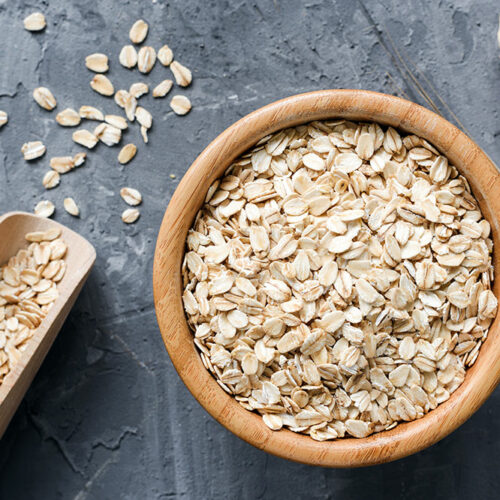
The human body requires cholesterol to process hormones, Vitamin D, and digestion. But letting it accumulate in the body can lead to clogged arteries and health issues like heart attack. High blood pressure, diabetes, chest pain, or experiencing pain while walking are signs that show one’s cholesterol levels are too high. One way to maintain healthy cholesterol levels is to eat nutrient-rich food. Here are some superfoods for maintaining a healthy cholesterol level. Types of cholesterol There are mainly two types of cholesterol; LDL and HDL. LDL (low-density lipoprotein) is considered “bad” cholesterol since it clogs the blood vessels with plaque. The HDL (high-density lipoprotein), on the other hand, or the “good” cholesterol, helps carry and eliminate the LDL and regulate bodily functions. One way to ensure the bloodstream has lower levels of harmful LDL is to eat the right foods. Besides food, age can be another factor that can increase one’s cholesterol levels. With age, metabolism slows down, which can impact one’s processing of nutrients. Similarly, a family history of high blood cholesterol can also make one vulnerable to developing the condition. Superfoods to eat to lower cholesterol Oats Being one of the powerhouses of soluble fiber, oats are an excellent breakfast option for those with high cholesterol.

9 common foods that may worsen eye health

9 common foods that may worsen eye health
The eyes are vital sensory organs that are often considered to be the window to the world. Their health is deeply interconnected with heart and blood vessel health, as they have capillaries that provide oxygen and nutrients to the retina. Over time, with fatty deposits and unhealthy foods, these can become blocked, causing trouble with one’s vision. To maintain eye function and health, one must include healthy foods and avoid those that worsen eye health. Foods to avoid Bread Simple carbohydrates found in foods like bread, white rice, and pasta cause spikes in the glycemic index. Hyperglycemia has been linked to diabetic retinopathy and cataracts. It can also increase the risk of age-related macular degeneration (AMD), one of the leading causes of vision loss among older people. Foods rich in simple carbohydrates may also increase the risk of high cholesterol and heart disease. This may further cause disturbances in one’s vision. Instead, it is advisable to opt for whole-grain alternatives. Processed meat Processed meats such as hot dogs, bacon, and deli meat are packed with high amounts of sodium. This can increase the risk of high blood pressure (hypertension) or cholesterol. Over time, it may result in: High blood pressure could cause damage to the retina, affecting one’s vision.

15 foods that may help relieve mucus buildup

15 foods that may help relieve mucus buildup
Mucus production is a healthy part of one’s respiratory system. This mucus lining in the mouth, nose, sinus, throat, and lungs is responsible for trapping dust, allergens, and viruses. However, during an infection or an allergy, phlegm or mucus can cause irritation and discomfort. People often use home remedies such as humidifiers, steam, and gargling to relieve mucus. To aid this process and alleviate symptoms, the following foods may also help: Ginger Ginger plays an important role in the cuisine of several cultures across the world. Due to its antihistamine content, ginger has powerful anti-inflammatory properties, often acting as a natural decongestant. It can help relieve mucus and reduce infections of the upper respiratory tract. For best results, try fresh ginger root. Boil it in some water to make ginger tea, or slice or grate it into smoothies or juices for an additional flavor and immunity boost. Cayenne pepper Cayenne pepper (and other spicy peppers) are a rich source of capsaicin. This can help reduce cough and mucus buildup in the body. To consume it, simply add one pinch of cayenne pepper to soup or broth. However, those experiencing acid reflux or other digestive ailments must avoid spicy foods as they may worsen inflammation.

Our
Blog.

5 styling ideas for women over 60

5 styling ideas for women over 60

Age is a number when setting a true style statement. Regardless of anyone’s perception, just because you are reaching the 60s doesn’t imply to stop working on your appearance and renounce your desires to look fabulous. Fashion is not just merely about trends; it is about how you express yourself through clothes as the myths of age must not limit your expression. So, here are a few best styling ideas for women over 60: Embrace your age One of the most typical fashion mistakes people make is choosing outfits that are supposed to make them appear younger than their actual age. The problem with such a choice is that you are paradoxically accentuating your age when you try to look younger by wearing an outfit that will be more appropriate for youngsters. For example, if you don high heels, short skirts, or flashy fashions that might be more appropriate for a person half your age, you are indirectly making yourself appear “older.” Instead, you can opt for clothes that are specially tailored for women your age. Sporting “age-appropriate” dresses will conceal your age and make others appreciate your other features like glowing skin or your build. And consequently, you will appear much younger than your actual age.
Read More
5 tips to prevent and manage ulcerative colitis

5 tips to prevent and manage ulcerative colitis

Ulcerative colitis is a long-term inflammatory disease that triggers inflammation and ulcers in the digestive system. It impacts the colon and rectum’s innermost lining. The symptoms are typically produced over a period rather than unexpectedly. According to the latest studies, about 1 million people have ulcerative colitis, and if left untreated, it can be crippling and cause life-threatening conditions. So, here are 5 tips to prevent and manage ulcerative colitis: Get on with the treatment plan immediately Even though there is no concrete cure for ulcerative colitis, proper treatment can help ease the symptoms and signs of the condition and eventually provide long-term remission. If a patient feels that their bowel habits are consistently changing or if they experience any of the following symptoms and signs, they should immediately consult a doctor: Blood in stool Ongoing diarrhea that is not getting cured by any other types of treatments An unknown fever going on for more than a day or two Abdominal pain Diarrhea that wakes up the patient from sleep The treatments prescribed by the doctor will typically include a combination of oral therapy or surgery. As far as oral treatments are concerned, the doctor may prescribe any of the following types of therapies, depending on the patient’s existing condition:
Read More