What Each Practice Actually Means
The two terms are frequently swapped in wellness conversations, but they describe different things. Mindfulness is a mental quality — the capacity to pay purposeful, non-judgmental attention to the present moment. You can be mindful while washing dishes, walking, or having a conversation. It's a way of relating to experience, not a scheduled activity.
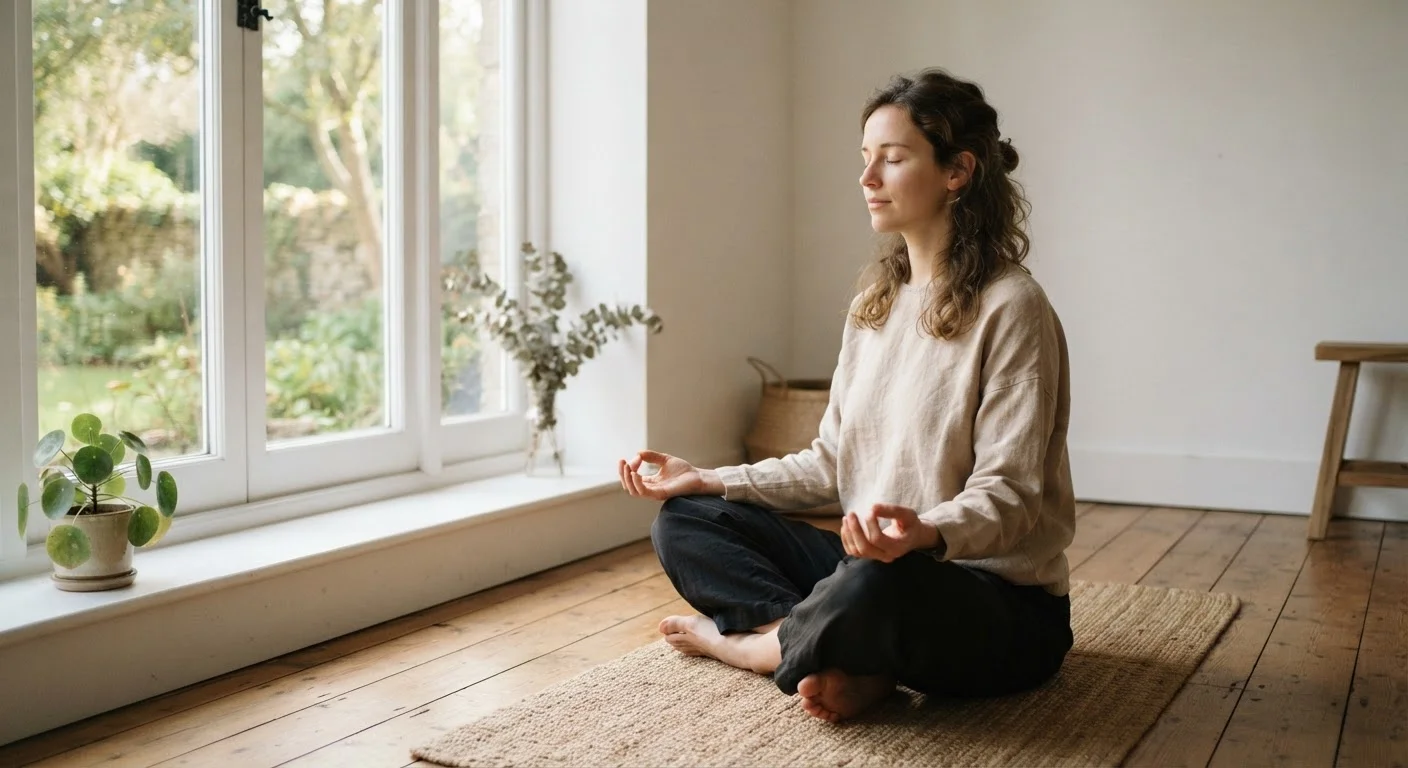
Meditation, by contrast, is a structured practice — a deliberate exercise, typically performed in a quiet setting for a defined period, designed to train attention or cultivate a specific mental state. Many meditation styles are explicitly mindfulness-based (such as Mindfulness-Based Stress Reduction, or MBSR), which is where the overlap and confusion arise.
A useful framing: mindfulness is the destination; certain forms of meditation are one reliable vehicle for getting there. But mindfulness can also be cultivated informally throughout the day, without ever sitting in formal practice.
Mindfulness-Based Programs Explained
Mindfulness-Based Stress Reduction (MBSR) and Mindfulness-Based Cognitive Therapy (MBCT) are structured programs that combine formal meditation with mindfulness principles. They are typically facilitated by trained instructors over several weeks. MBCT in particular has strong clinical support for reducing the risk of depression relapse in people with a history of recurring episodes. These programs are distinct from self-guided app-based meditation.
How the Research Compares
Both practices are well-studied. A landmark meta-analysis published in JAMA Internal Medicine found that mindfulness meditation programs produced moderate improvements in anxiety, depression, and pain. The NIH's National Center for Complementary and Integrative Health similarly recognizes meditation as having credible evidence for stress and anxiety reduction.
Research on informal mindfulness — the moment-to-moment awareness variety — is harder to isolate in clinical studies because it's less easily standardized. That said, core mindfulness skills (such as non-reactivity and present-moment focus) appear to be the active ingredient in many evidence-based therapies, including Mindfulness-Based Cognitive Therapy (MBCT), which is recommended by clinical guidelines for preventing depression relapse.
~47%
Time minds wander from the present
A Harvard study using experience-sampling found people's minds wander nearly half their waking hours, suggesting how much room mindfulness practice has to work with.
8 weeks
Duration of standard MBSR programs
The Mindfulness-Based Stress Reduction program developed at UMass Medical School runs eight weeks and is among the most studied structured mindfulness interventions.
Moderate
Evidence strength for anxiety reduction
A meta-analysis in JAMA Internal Medicine rated mindfulness meditation programs as having moderate-level evidence for improving anxiety and depression symptoms.
It's worth noting that study quality varies, and researchers continue to refine their understanding of which components of these practices drive which outcomes. Both are generally considered low-risk complements to — not replacements for — professional mental health care. For a broader look at structured support options, see how therapy, coaching, and peer support differ.
Key Differences at a Glance
Understanding the practical distinctions helps you decide how to incorporate each into your routine.
| Criterion | Mindfulness | Meditation |
|---|---|---|
| Definition | Quality of present-moment awareness | Structured mental training practice |
| When it happens | Any time, integrated into daily life | Dedicated, scheduled sessions |
| Setting required | None — anywhere works | Typically quiet, distraction-free space |
| Time commitment | Moments throughout the day | Usually 5–45 minutes per session |
| Learning curve | Low — intuitive to begin | Moderate — technique benefits from guidance |
| Research evidence | Strong as therapy component (MBCT) | Strong for stress, anxiety, and focus |
| Best combined with | Daily routines and habits | Consistent scheduling and guided programs |
One important nuance: formal meditation is not inherently superior. A person who practices informal mindfulness consistently throughout the day may cultivate comparable awareness to someone who meditates for 20 minutes once a week. The most effective approach is typically the one a person will actually sustain.
Choosing What Works for Your Life
Neither practice demands a dramatic lifestyle change. Mindfulness can start as simply as taking three deliberate breaths before replying to a stressful email. Meditation can begin with five minutes of focused attention on your breath using a free timer or a structured audio guide.
If you find sitting still difficult, movement-based practices such as mindful walking or yoga blend both elements — structured practice with present-moment awareness. For those interested in digital tools that scaffold either practice, it's worth understanding what mental health apps can and cannot do before relying on them heavily.
For people managing diagnosed anxiety, depression, or other mental health conditions, structured programs like MBSR or MBCT are typically delivered by trained instructors and may be more appropriate than self-guided apps alone. Always consult a qualified healthcare provider before using these practices as part of a treatment plan.
You might also explore how these tools compare to other calming techniques — our related article on mindfulness meditation versus deep breathing covers how each fits different situations.
This article is for general informational and educational purposes only and does not constitute medical or mental health advice. Consult a qualified healthcare professional for guidance specific to your health situation.