What Digital Mental Health Apps Actually Are
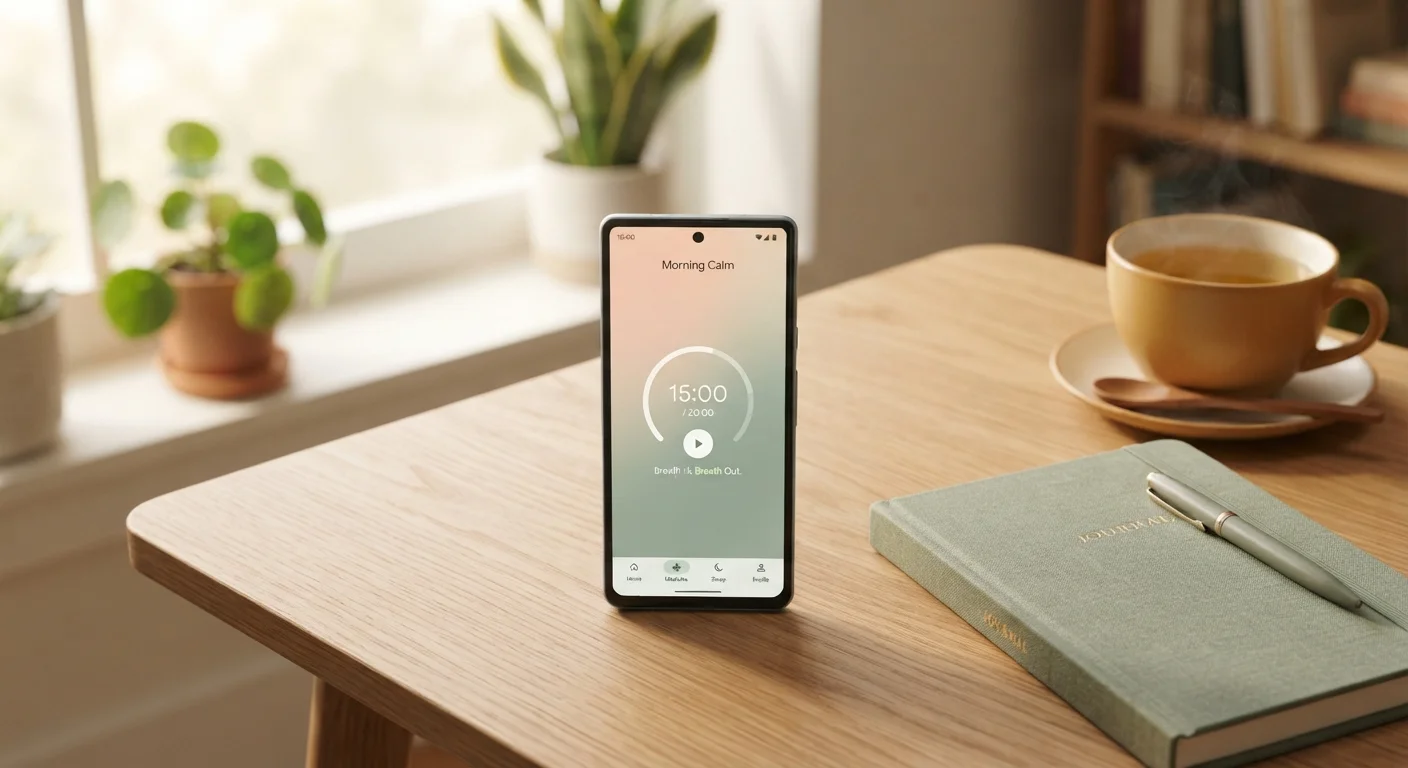
Digital mental health apps are smartphone or web-based programs designed to support emotional wellbeing through features like guided meditation, mood tracking, cognitive exercises, breathing tools, and sleep aids. Some are built around established therapeutic frameworks — such as CBT or mindfulness-based stress reduction — while others take a more informal, self-help approach.
It helps to understand where these tools fit before evaluating them. For a plain-language overview of key mental health concepts, see Common Mental Health Terms You Should Actually Understand. Apps in this space range from meditation guides and journaling platforms to clinician-supported programs and crisis support tools. Their quality, rigor, and purpose vary considerably.
This article is for general informational purposes only and is not medical or mental health advice. Always consult a qualified healthcare professional for concerns about your mental health.
The Genuine Benefits
Mental health apps have expanded access to psychological support in meaningful ways. Here's where they add real value:
Low-barrier access to mental wellness support
Apps are available 24/7 without an appointment, referral, or insurance requirement, making them useful for people who face geographic, financial, or scheduling barriers to traditional care.
Structured tools for everyday stress management
Many apps offer guided breathing exercises, progressive muscle relaxation, and CBT-based thought journals that are grounded in established coping frameworks and easy to build into a daily routine.
Mood and habit tracking promotes self-awareness
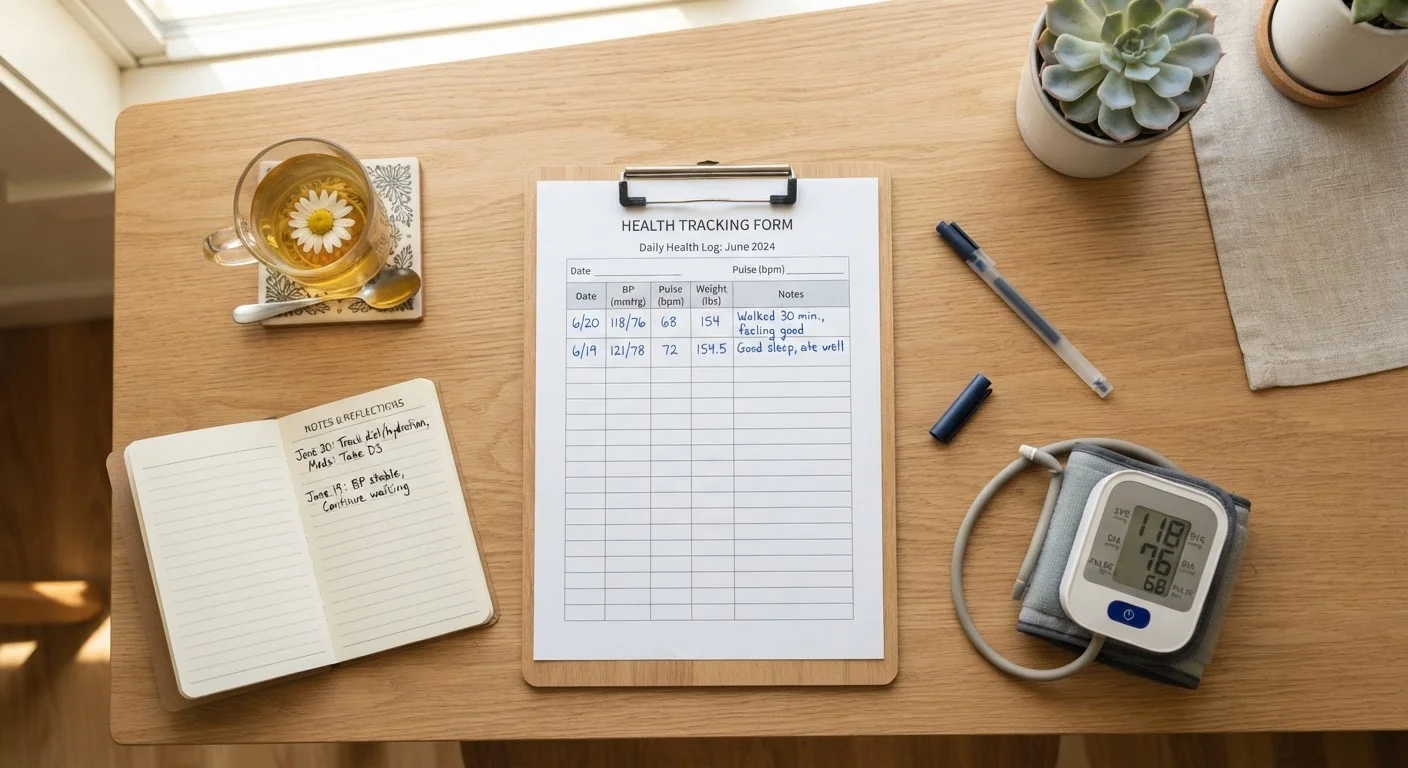
Consistent logging of mood, sleep, and triggers can reveal patterns over time, giving users and their clinicians useful data for understanding mental health trends.
Supports adherence to therapeutic skills between sessions
For people already working with a therapist, apps can reinforce skills like mindfulness or cognitive restructuring in between formal appointments, potentially improving continuity of care.
Reduced stigma around seeking support
The privacy of a smartphone app may lower the psychological barrier for people who feel uncomfortable seeking formal mental health services due to stigma or uncertainty.
10,000+
Mental health apps available in major app stores
Researchers reviewing app store listings have found tens of thousands of apps marketed for mental health, the vast majority of which lack published clinical evidence.
~50%
Users who stop using mental health apps within two weeks
Multiple studies on digital mental health interventions have reported dropout rates near or above 50% within the first two weeks of use.
For people new to mental wellness practices, apps can provide a structured entry point. The foundational habits covered in Mental Wellness From the Ground Up — things like consistent sleep, breathing exercises, and self-reflection — are skills many apps teach effectively. Apps also pair well with practices like mindfulness, explored further in Mindfulness vs. Meditation.
The Real Limitations
A clearer picture requires an honest look at what these apps cannot reliably do:
Weak or absent clinical evidence for many apps
A significant proportion of mental health apps on the market have not been independently validated in peer-reviewed clinical trials. The American Psychological Association and other professional bodies have cautioned that app-store availability does not equal clinical efficacy.
Cannot diagnose or treat clinical conditions
Apps are not medical devices capable of diagnosing depression, anxiety disorders, PTSD, or other conditions. Using an app instead of seeking professional diagnosis for persistent symptoms can delay appropriate treatment.
Significant data privacy concerns
Mental health apps often collect sensitive personal data — mood logs, journal entries, sleep patterns — and privacy practices vary widely. Some apps share data with advertisers or third parties in ways users may not expect.
Risk of over-reliance or avoidance of professional care
People experiencing moderate-to-severe symptoms may use apps as a substitute for professional help, either due to cost, access, or avoidance — a pattern that can allow conditions to worsen over time.
No human therapeutic relationship
Research consistently identifies the therapeutic alliance — the relationship between a patient and clinician — as one of the strongest predictors of mental health treatment outcomes, something no app can replicate.
High dropout and low engagement rates
Studies on digital mental health interventions consistently find high abandonment rates; many users stop engaging within the first few weeks, reducing any potential benefit significantly.
When to Seek Professional Help
Digital apps are not appropriate as a primary response to serious or persistent mental health symptoms. If you are experiencing prolonged depression, significant anxiety, thoughts of self-harm, or any symptoms that interfere with daily functioning, please reach out to a licensed mental health professional. In a crisis, contact the 988 Suicide and Crisis Lifeline by calling or texting 988. General information in this article does not substitute for personalized clinical care.
For a broader examination of what digital mental health tools can and cannot offer, Digital Mental Health Tools: What They Can and Cannot Do provides useful context.
How to Use Apps Responsibly
If you choose to use a mental health app, a few principles help you get value from it safely:
- Check the evidence base. Look for apps that explicitly reference CBT, mindfulness-based stress reduction, or other validated approaches. Be cautious of vague claims about "wellness optimization."
- Read the privacy policy. Understand what data is collected, how it's stored, and whether it's shared with third parties. Mental health data is sensitive and deserves scrutiny.
- Use it as a complement. Apps work best alongside professional care, not as a replacement. If you're experiencing persistent symptoms — anxiety, depression, sleep disruption — consult a licensed mental health professional.
- Don't delay care. If you're in crisis or experiencing thoughts of self-harm, contact a crisis line or emergency services immediately. Apps are not equipped to handle acute mental health emergencies.
Preventive habits and self-monitoring are valuable. For more on staying ahead of health concerns broadly, see Preventive Care.