
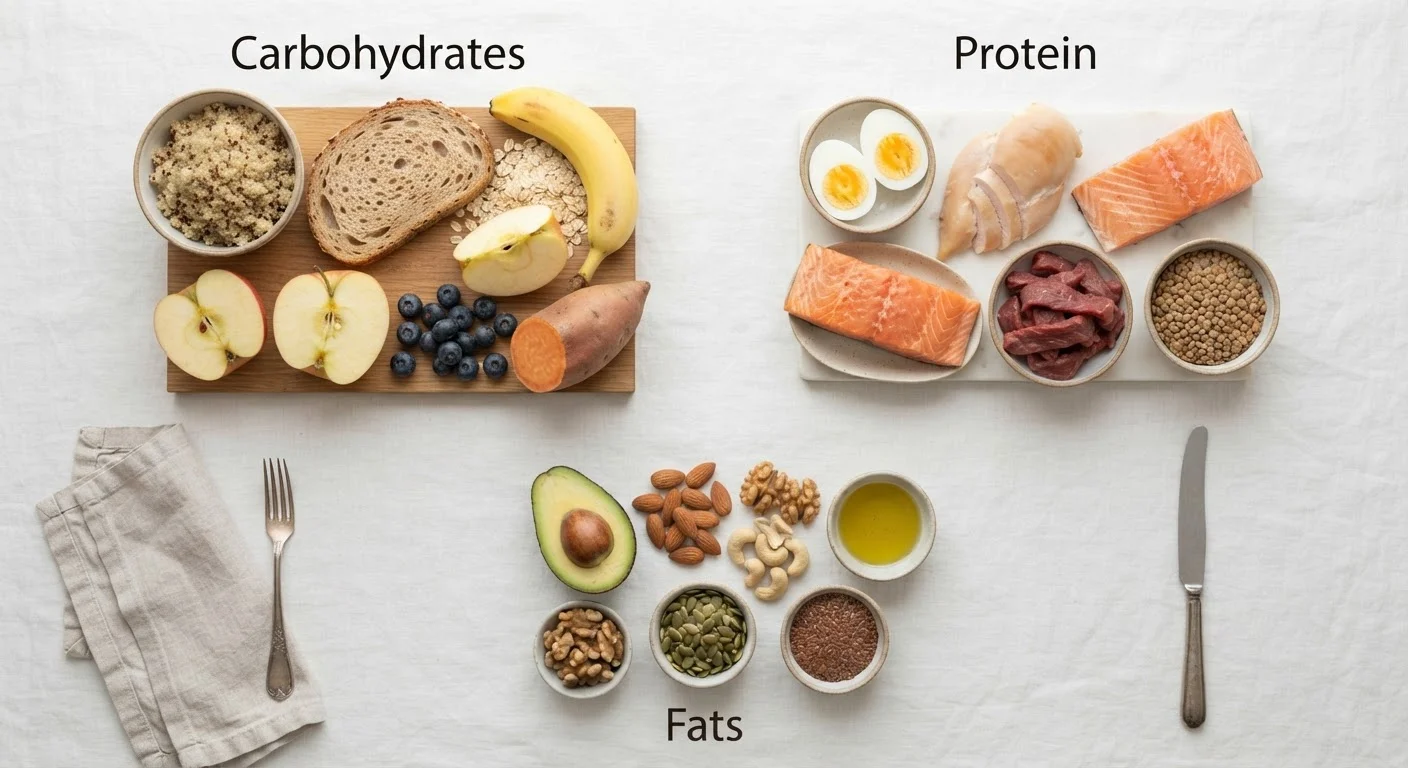
Carbohydrates: Your Body's First Choice for Fuel
Despite their reputation in popular diet culture, carbohydrates are the body's preferred energy source. When digested, carbs are broken down into glucose — a simple sugar that cells, and especially the brain, rely on almost exclusively for immediate fuel. The brain alone accounts for roughly 20% of the body's total energy use, and it runs best on glucose.
Carbohydrates fall into two broad categories: simple carbs (sugars found in fruit, dairy, and added sugars) and complex carbs (starches and fiber found in whole grains, legumes, and vegetables). Complex carbs digest more slowly, producing a steadier rise in blood sugar and prolonged energy. Fiber — a type of complex carbohydrate the body cannot fully digest — feeds beneficial gut bacteria and supports digestive health.
Cutting carbohydrates dramatically forces the body into a metabolic state called ketosis, where it burns fat for fuel instead. This approach may suit some individuals, but it also comes with trade-offs including reduced fiber intake and potential impacts on energy during high-intensity activity. For most people, getting carbohydrates from whole grains, vegetables, legumes, and fruit is a sound strategy that also delivers vitamins and minerals.
Choose Whole-Food Carb Sources When Possible
Whole grains, legumes, vegetables, and fruit deliver carbohydrates alongside fiber, vitamins, and minerals that refined grains and added sugars do not. Swapping white bread for whole-grain bread or choosing beans over white rice are straightforward ways to upgrade carbohydrate quality without eliminating the macronutrient entirely.
Protein: The Body's Construction Material
Protein is made up of smaller units called amino acids. Of the 20 amino acids involved in human physiology, nine are classified as essential — meaning the body cannot synthesize them and must obtain them from food. These nine are found together in animal proteins (meat, eggs, dairy) and in certain plant sources like soy and quinoa. Other plant proteins — beans, lentils, nuts — each supply some essential amino acids but typically not all nine in sufficient ratios, which is why variety matters for people eating a predominantly plant-based diet.
Beyond muscle building, protein supports immune function (antibodies are proteins), enzyme activity, hormone production, and the structural integrity of skin, hair, and connective tissue. It also has the highest thermic effect of any macronutrient, meaning the body expends more energy digesting protein than it does digesting carbs or fat.
4 kcal/g
Calories per gram of protein
Both protein and carbohydrates provide 4 calories per gram, according to standard nutritional energy values used by the USDA.
9 essential
Amino acids humans must get from food
Of the 20 amino acids involved in human metabolism, 9 cannot be synthesized by the body and must come from dietary sources, per NIH nutritional guidance.
20–35%
Recommended fat intake as % of total calories
The Dietary Guidelines for Americans recommend that fat make up 20–35% of total daily caloric intake for most adults.
Older adults and people recovering from illness or surgery often have increased protein needs. For personalized recommendations, a registered dietitian or physician is the right resource.
Dietary Fat: More Than Stored Energy
Fat has long been miscast as the dietary villain, but it serves functions that carbohydrates and protein cannot. Dietary fat is essential for absorbing fat-soluble vitamins — A, D, E, and K — meaning a meal with virtually no fat can reduce how well your body uses these nutrients. Fat also forms the structural membrane of every cell in your body and is a precursor for hormones including estrogen, testosterone, and cortisol.
The distinction between fat types is important. Unsaturated fats (found in olive oil, avocados, nuts, and fatty fish) are associated with favorable cardiovascular markers in research. Saturated fats (found in red meat and full-fat dairy) should be consumed in moderation according to the American Heart Association. Trans fats, largely eliminated from the U.S. food supply after FDA action, are the type most consistently linked to adverse cardiovascular outcomes.
Because fat provides 9 calories per gram — more than double the 4 calories per gram from carbs or protein — portion awareness matters, but it does not mean avoidance. How your macronutrient choices affect your cholesterol and blood sugar over time is worth discussing with your doctor.
Fat and Caloric Density
At 9 calories per gram, fat is the most calorie-dense macronutrient — more than twice that of protein or carbohydrates. This does not make fat harmful, but it does mean that portion sizes for high-fat foods like nuts, oils, and cheese affect overall caloric intake more quickly than equal-weight servings of other foods. Awareness, rather than avoidance, is the practical takeaway.
Why Balance Matters More Than Elimination
Popular diet frameworks tend to elevate one macronutrient and demonize another. The reality is more nuanced: each macro plays roles the others cannot replicate, and the research on long-term health outcomes consistently points toward dietary patterns rather than single-nutrient manipulation.
A useful next step is learning to read the nutrition information already available on packaged foods. Our guide to reading a nutrition label explains how to interpret serving sizes, percent daily values, and added sugar disclosures — practical skills that make applying macronutrient knowledge much easier in everyday grocery shopping.
If you are curious about timing your intake around activity or meals, many widely repeated rules turn out to be less firm than they seem — something explored in depth in nutrition timing myths that keep people from eating well.
For most people, a sustainable approach means choosing whole-food sources of all three macronutrients, adjusting proportions based on individual health goals, and working with a qualified healthcare professional before making significant dietary changes.
This article is for general informational and educational purposes only and does not constitute medical or dietary advice. Consult a licensed healthcare provider or registered dietitian before making significant changes to your diet, especially if you have an existing health condition.