Why Age-Appropriate Habits Matter
Physical health isn't a fixed target. The habits that serve a 25-year-old well may leave a 55-year-old under-supported — and the habits most critical in midlife often go unrecognized until problems surface. Research from institutions including the CDC and the American Heart Association consistently points to the same conclusion: the type and emphasis of healthy physical habits should evolve as the body does.
This isn't about dramatic overhauls at each birthday. It's about recognizing which building blocks matter most at each stage and making incremental adjustments that keep you ahead of common, preventable health challenges. For a broader look at screenings and preventive milestones by decade, see the Preventive Health Across Every Decade roadmap.
This Is General Health Education
The guidance in this article reflects broadly established principles from organizations such as the CDC, NIH, and American Heart Association. It is not a substitute for personalized medical advice. Individual health needs vary significantly — particularly for those with chronic conditions, injuries, or special circumstances such as pregnancy. Please consult a qualified healthcare professional before beginning or modifying any exercise program.
The habits below represent general health education, not personal medical advice. Individual needs vary based on health history, chronic conditions, and other factors. Consult a licensed healthcare provider before making changes to your exercise routine or health practices.
Habits Worth Building at Every Stage
In Your 20s: Build the Foundation
Your twenties are an opportunity to establish defaults — patterns your body will carry forward for decades. Bone density peaks in your late twenties, making weight-bearing exercise (running, resistance training, hiking) especially valuable during this window. The National Institutes of Health notes that habits established early in adulthood have an outsized influence on long-term skeletal health.
This is also the decade to take sleep seriously. Many adults in their twenties treat sleep as negotiable; research from the CDC links chronic short sleep to increased risk of obesity, heart disease, and metabolic conditions over time. Aiming for seven to nine hours consistently — rather than trying to "catch up" on weekends — supports everything from immune function to cognitive performance.
- Prioritize weight-bearing exercise at least three times per week
- Establish a consistent sleep schedule, even on weekends
- Learn basic nutrition principles without fixating on rigid rules
Bone density peaks in your late twenties — weight-bearing exercise during this window pays dividends for life.
In Your 30s: Protect Against the Drift
Career demands, parenting, and shifting schedules make the thirties a decade where physical activity is often the first thing dropped. Research consistently shows that metabolic rate begins a gradual decline during this period, and muscle mass can start to decrease without deliberate resistance training.
Strength training — two or more sessions per week, per CDC guidelines — becomes particularly important here. It counters muscle loss, supports bone health, and helps maintain a healthy metabolic rate. Equally important is addressing sedentary stretches: long periods of desk work or commuting can erode physical health even in people who exercise regularly.
- Incorporate structured strength training twice weekly
- Break up prolonged sitting with brief movement breaks every 60–90 minutes
- Make flexibility or mobility work part of your cool-down routine
Muscle mass begins declining in your thirties without deliberate strength training — starting now pays compounding returns.
In Your 40s: Prioritize Recovery and Mobility
By your forties, recovery time between intense workouts typically lengthens, and joint health becomes a more active concern. This doesn't mean scaling back ambitions — it means training smarter. The American College of Sports Medicine recommends that adults in midlife include flexibility and balance work alongside cardiovascular and strength training, not as an afterthought.
Cardiovascular health also warrants closer attention. The American Heart Association identifies midlife as a pivotal period for establishing heart-healthy habits — regular aerobic activity (at least 150 minutes of moderate-intensity movement per week is the general adult guideline), alongside blood pressure and cholesterol awareness.
- Add dedicated mobility or stretching sessions — yoga and dynamic warm-ups both qualify
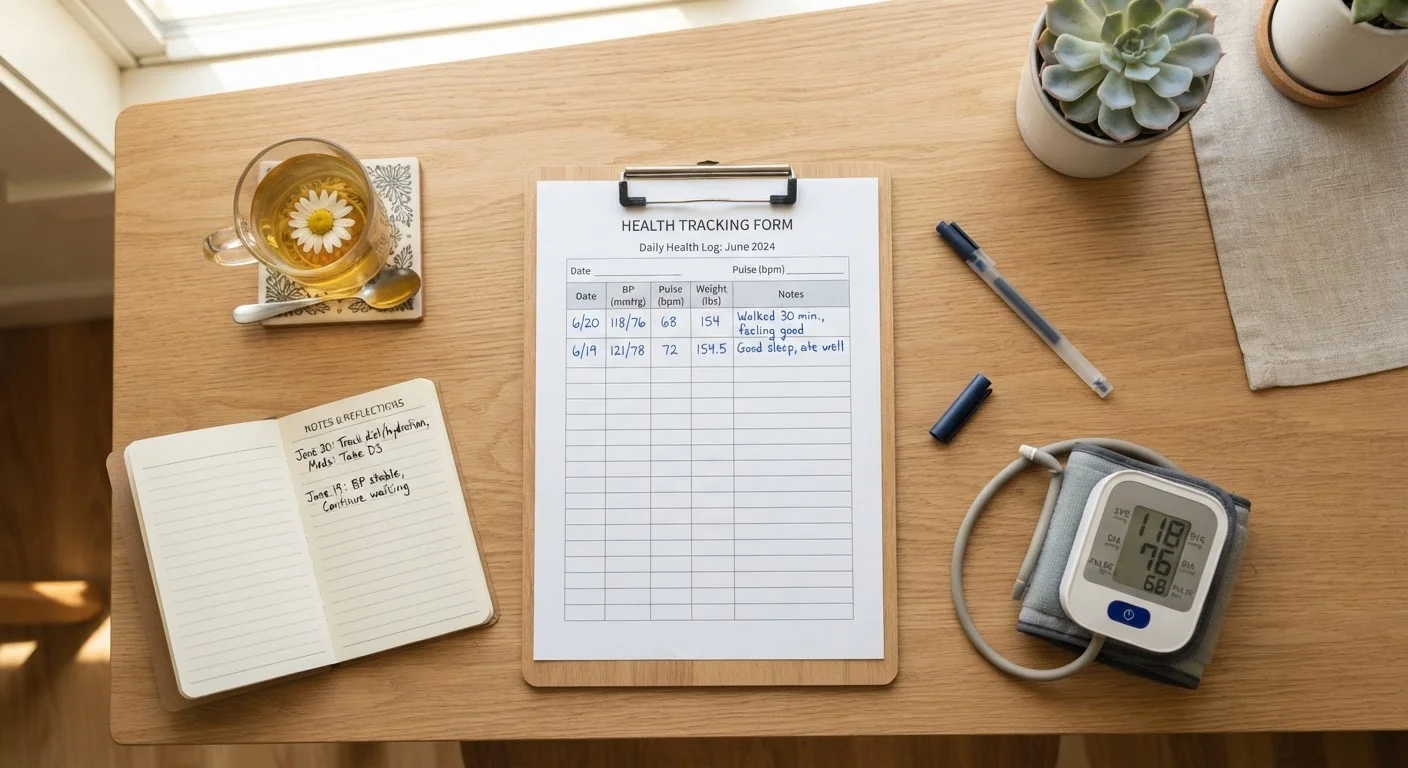
- Monitor cardiovascular health markers through regular check-ups
- Respect recovery; two intense workouts per week may outperform five when sleep and stress are high
Midlife is when cardiovascular habits become truly pivotal — the AHA identifies this as a key window for prevention.
In Your 50s: Lean Into Strength and Balance
Perimenopause and andropause bring hormonal shifts that accelerate bone density loss and muscle atrophy for many people. Strength training takes on an even more critical role in the fifties — not just for functional fitness, but as a protective factor against osteoporosis and fall-related injury, which becomes a leading cause of serious harm in older adults.
Balance training is frequently overlooked at this stage. Simple practices — single-leg standing, tai chi, or balance board exercises — have demonstrated measurable reductions in fall risk in studies reviewed by the NIH. Coupling these with skin-protective habits, like consistent sun protection during outdoor exercise, supports overall wellness; for more on that angle, see personal care habits that support skin health year-round.
- Strength train two to three times per week with progressive resistance
- Incorporate dedicated balance exercises into your weekly routine
- Discuss bone density screening with your healthcare provider
Balance training in your fifties can measurably reduce fall risk — an often-overlooked but high-impact habit.
In Your 60s and Beyond: Move Consistently, Move Safely
Physical activity remains one of the most evidence-supported interventions for healthy aging. CDC data indicates that regular movement in older adults is associated with reduced risk of heart disease, type 2 diabetes, some cancers, and cognitive decline. The goal is not to maintain your thirties fitness level — it's to stay mobile, strong, and independent.
Low-impact activities — swimming, walking, cycling, water aerobics — maintain cardiovascular fitness while reducing stress on joints. The key is regularity over intensity. The Preventive Care hub offers additional guidance on check-ups and screenings that become especially important during these years.
- Choose low-impact movement that you can sustain — enjoyment drives consistency
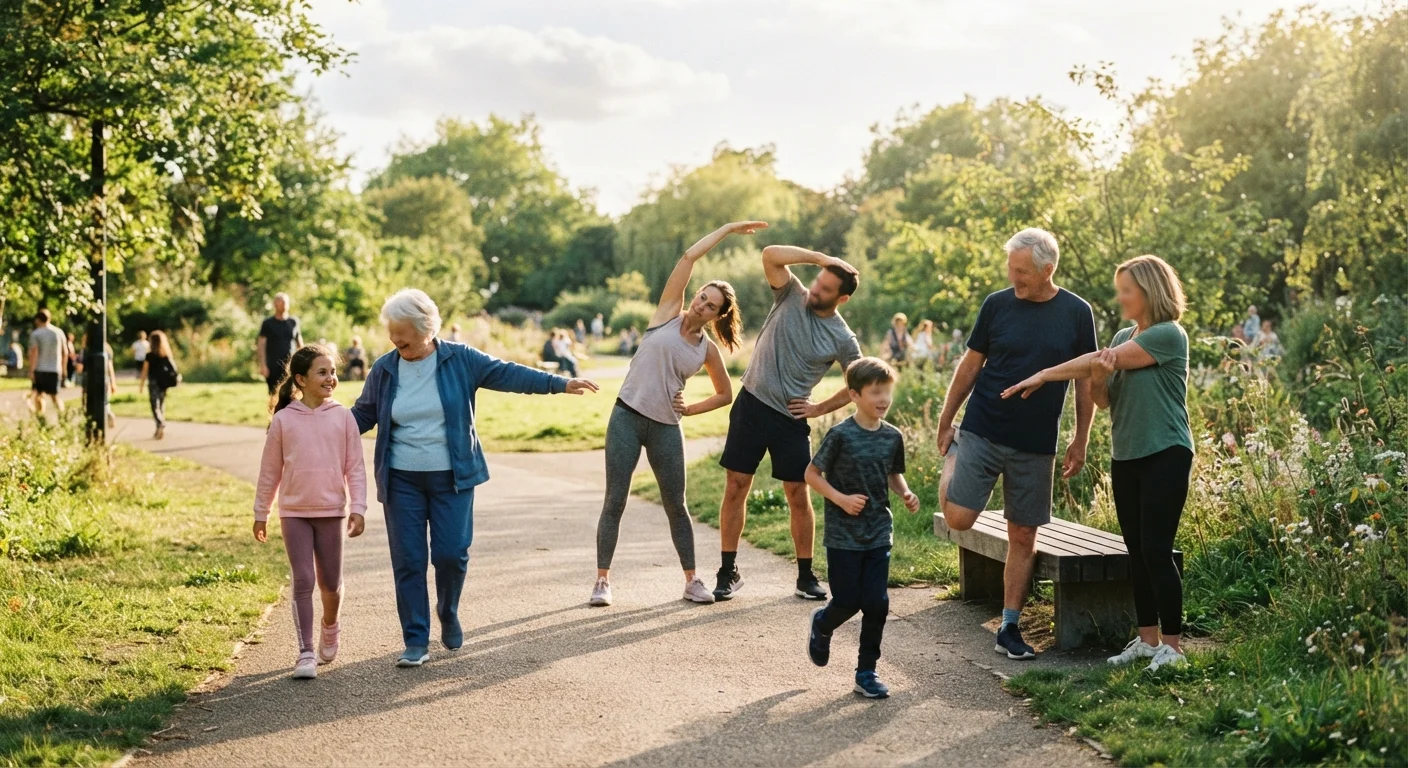
- Stay socially connected through group exercise or walking partners; social engagement supports both physical and mental health
- Work with your healthcare provider to adapt exercise plans around any chronic conditions
Regular physical activity in older adults is linked to lower risk of heart disease, diabetes, and cognitive decline.
Small Habit Stacking Works at Any Age
Pairing a new health habit with an existing routine — stretching after brushing your teeth, taking a walk after lunch — dramatically improves follow-through. Behavioral research suggests that "habit stacking" reduces the friction of starting, which is often the biggest barrier to consistency. Start with one change, let it settle for two to four weeks, then layer the next.
The Thread Running Through Every Decade
Across all five stages, one pattern is impossible to ignore: consistency beats intensity. Short bouts of movement done daily outperform sporadic high-effort workouts in nearly every meaningful health metric, from cardiovascular function to metabolic health to mental well-being.
It's also worth noting that physical and lifestyle habits don't operate in isolation. Daily habits around sleep, nutrition, and stress management form the foundation that physical activity builds upon. And even among people who exercise regularly, prolonged sitting can quietly erode health gains — a reminder that movement throughout the day matters as much as dedicated workouts.
For those looking to weave more of these practices into an already busy schedule, building sustainable preventive health habits without overhauling your routine is entirely achievable with the right framework.
This article is for general informational and educational purposes only and does not constitute medical advice. Always speak with a qualified healthcare professional about decisions relating to your personal health.