
What Actually Happens to Your Body During a Break
Taking time away from exercise — whether due to illness, injury, travel, or life demands — triggers real, measurable physiological changes. Understanding them helps you set realistic expectations and avoid the frustration of comparing your current self to your pre-break fitness.
Cardiovascular deconditioning is typically the fastest change. Research consistently shows that aerobic capacity (measured as VO₂ max, the body's ability to use oxygen during exercise) begins to decline within two to three weeks of inactivity. You may notice this as feeling winded sooner during activities that once felt easy.
Muscle strength and size decline more slowly than cardiovascular fitness, though they do decrease over time. Connective tissues — tendons and ligaments — also adapt during a break, becoming less conditioned to the mechanical stress of exercise. This is why returning exercisers are at heightened injury risk even when they feel subjectively capable of their old routines.
Neuromuscular coordination — the communication between your brain and muscles that makes movement efficient — also softens with inactivity, contributing to reduced performance and balance.
The good news: the body regains fitness faster than it originally built it, thanks to muscle memory and retained cellular adaptations. Still, rushing that process is the leading mistake returning exercisers make. See our practical restart checklist for a structured way to assess where you're starting from.
How to Ease Back In Safely
The steps below apply broadly to most healthy adults returning from a break of two weeks or more. If you're returning after illness, injury, surgery, or a break longer than several months, consult a qualified healthcare provider before beginning.
What you will need
Assess your starting point honestly
Before your first session back, take stock of how long you've been inactive and why. A two-week break for vacation is very different from a three-month recovery from illness. Adjust your expectations accordingly — and if the break involved a medical event, get clearance from your doctor first.
Start at 50–60% of your previous volume
Cut your pre-break workout duration, weight, or intensity roughly in half for the first one to two weeks. If you were running 30 minutes, start with 15. If you were lifting a certain weight, drop significantly and prioritize form over load. This feels conservative — and it should.
Prioritize frequency over intensity
Three shorter, moderate sessions per week will rebuild your fitness base more safely than one intense session. Consistent, lower-effort exercise re-conditions connective tissue and neuromuscular pathways gradually, which is what prevents injury during a comeback phase.
Increase volume and intensity gradually
A general guideline used in exercise science is to increase total weekly volume by no more than about 10% per week. This applies to both cardio (time or distance) and strength (total sets or load). Rapid escalation is one of the leading contributors to overuse injuries in returning exercisers.
Monitor how your body responds and adjust
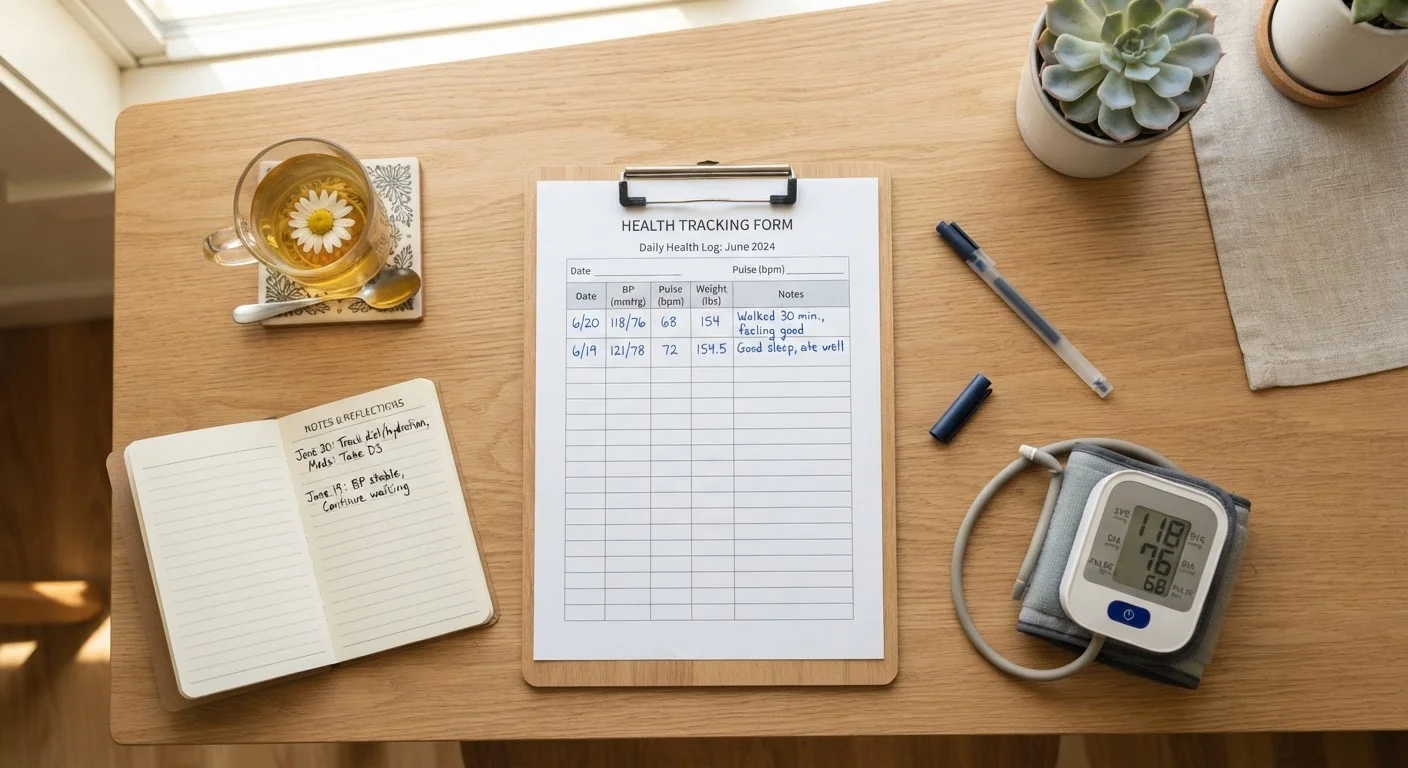
Track soreness, energy levels, sleep quality, and mood between sessions. If you're consistently exhausted, sleeping poorly, or experiencing joint discomfort, scale back rather than push through. Progress during a comeback phase is rarely linear — fluctuations are normal, and responding to them is part of training intelligently.
Muscle Memory Works in Your Favor
Research on muscle memory suggests that previously trained individuals regain lost strength and endurance faster than beginners build it for the first time. This is partly due to lasting adaptations in muscle fiber nuclei. Be patient with the process — your body retains more than it seems.
Expect muscle soreness — particularly delayed-onset muscle soreness (DOMS), which typically peaks 24–72 hours after exercise. Some discomfort is normal. Understanding what's normal soreness versus a warning sign can help you make smart decisions about rest days. Sharp pain, joint pain, or swelling are signals to stop and seek professional guidance.
Once you've re-established a consistent base, a structured weekly exercise routine can help you maintain momentum without overloading your schedule.
Supporting Your Recovery Between Sessions
What you do between workouts matters as much as the sessions themselves when rebuilding fitness. Two areas deserve particular attention.
Sleep is when most muscular repair and adaptation occurs. Sleep quality directly affects muscle recovery and injury risk — something many returning exercisers underestimate when soreness lingers longer than expected.
Warm-up and cool-down routines are especially important when your body is readjusting to exercise stress. Understanding what warm-ups and cool-downs actually accomplish — physiologically, not just as habit — helps you use those minutes more effectively and reduces injury risk. Similarly, knowing when to use dynamic versus static stretching can make a real difference; see our guide on static vs. dynamic stretching for practical guidance.
Don't Compare Current Performance to Pre-Break Levels
One of the most psychologically difficult aspects of returning to exercise is performing below your former baseline. Pushing to match old times, weights, or distances too soon dramatically increases injury risk. Treat the first several weeks as a distinct phase of training with its own goals — and measure progress against where you started this comeback, not where you left off.
This article is for general informational purposes only and is not a substitute for personalized medical advice. Consult a qualified healthcare provider before beginning or resuming an exercise program, especially following illness, injury, or a prolonged period of inactivity.