Why Sleep Is a Fitness Variable, Not Just Rest
Most fitness routines track workouts, nutrition, and hydration with care — yet sleep is often treated as whatever's left over after a busy day. That's a meaningful gap. Sleep is an active physiological process, not passive downtime, and its role in physical recovery is well-documented in sports medicine and exercise science research.
During sleep, particularly during deep slow-wave stages, the pituitary gland releases pulses of human growth hormone (HGH). This hormone is central to muscle protein synthesis — the process by which the microtears created during resistance training are repaired and rebuilt into stronger tissue. Disrupting sleep disrupts that hormonal signal. The workout may have happened, but the adaptation doesn't fully follow.
For anyone trying to build strength, improve endurance, or simply maintain physical function, understanding what sleep does to the body during recovery is a practical necessity, not an academic detail.
7–9 hrs
Recommended nightly sleep for adults
Per CDC guidelines, most adults need 7–9 hours of sleep per night to support overall health and physical function.
1.7×
Injury risk increase from short sleep
A study in the journal Pediatrics found young athletes sleeping fewer than 8 hours were 1.7 times more likely to be injured.
>70%
Adults not consistently meeting sleep recommendations
CDC surveillance data indicate a substantial proportion of American adults report routinely sleeping fewer than the recommended hours.
What the Body Actually Does While You Sleep
Muscle repair is only part of the story. During sleep, the body also regulates cortisol — the primary stress hormone. Chronically elevated cortisol, which sleep deprivation promotes, is catabolic: it breaks down muscle tissue rather than building it. This partially explains why people who train hard but sleep poorly often plateau or feel persistently fatigued.
Sleep also plays a role in inflammation management. Exercise creates controlled inflammatory responses that are part of healthy adaptation. Adequate sleep helps resolve that inflammation efficiently. Without it, low-grade inflammation can persist, contributing to soreness that lingers longer than it should and raising the risk of overuse injury over time.
Motor skill consolidation — the neurological process of encoding movement patterns — also depends on sleep. This matters for athletic technique, coordination, and the kind of functional movement that reduces injury risk in everyday activity. If you're returning to exercise after a break, sleep becomes even more important as the nervous system and muscles recalibrate together.
“Sleep is the greatest legal performance-enhancing drug that most people in sports are probably neglecting.”
— Matthew Walker, Sleep scientist and professor of neuroscience and psychology at the University of California, Berkeley
The Real Cost of Skimping on Sleep
Sleep deprivation's effects on physical performance are measurable. Research published in peer-reviewed sports science journals has documented reductions in sprint speed, submaximal endurance, grip strength, and reaction time following even moderate sleep restriction. These aren't marginal declines — in competitive or safety-critical contexts, they're meaningful.
Injury risk is a particular concern. One frequently cited study in the journal Pediatrics found that young athletes sleeping fewer than 8 hours per night were 1.7 times more likely to experience an injury than those sleeping more. While that study focused on adolescents, the underlying mechanisms — impaired proprioception, slower reaction time, reduced tissue repair — apply across age groups.
It's also worth recognizing that sleep affects more than muscles. The emotional resilience needed to sustain a consistent fitness habit is tied to sleep quality too. As explored in our article on sleep and emotional regulation, poor sleep reshapes how the brain processes stress and motivation — both of which influence whether someone sticks to a training routine.
Track Sleep Like You Track Workouts
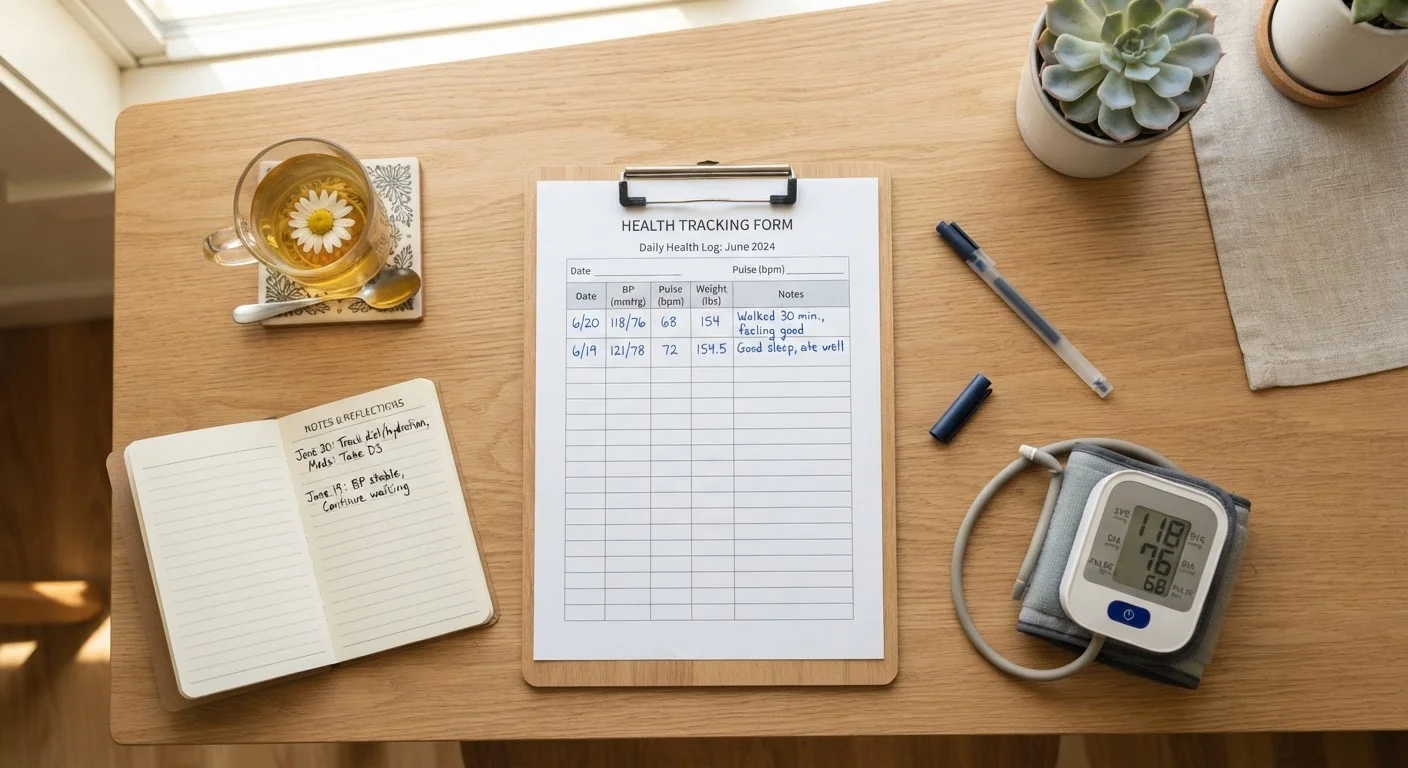
Consider logging your sleep duration and how rested you feel each morning alongside your training log. Patterns often emerge — such as heavier legs or stalled lifts — following nights of poor sleep. This awareness can help you and a healthcare provider identify whether sleep quality is a factor in recovery or performance concerns.
Practical Steps to Support Sleep-Based Recovery
The good news is that improving sleep for recovery purposes doesn't require dramatic lifestyle overhauls. Consistent, evidence-informed habits make a meaningful difference over time.
- Keep a regular schedule: Going to bed and waking at consistent times — including weekends — reinforces the body's circadian rhythm, which governs both sleep quality and hormonal release timing.
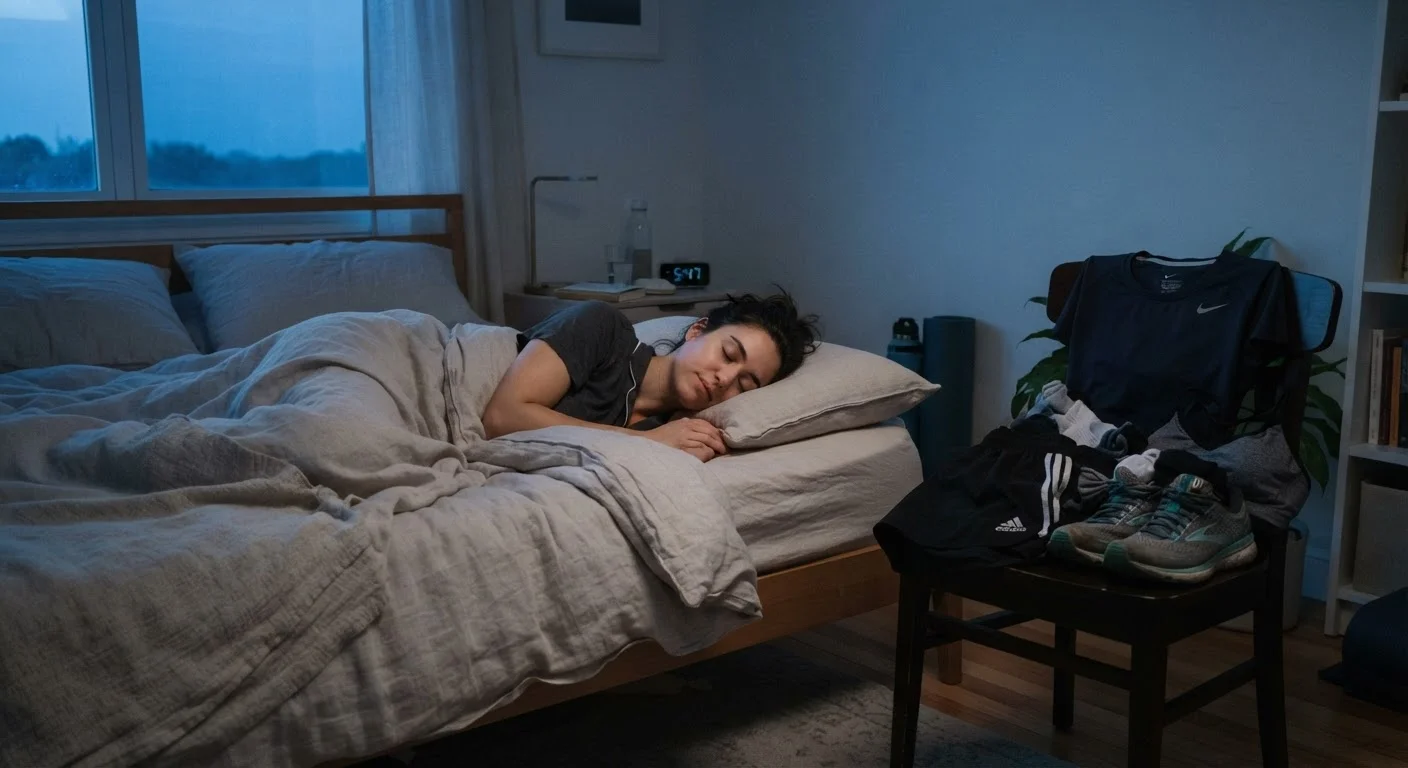
- Protect the sleep environment: A cool, dark, quiet room supports deeper sleep stages. Temperature in particular has a well-documented relationship with sleep architecture.
- Time training thoughtfully: Vigorous exercise too close to bedtime can elevate core temperature and adrenaline, making it harder to fall asleep. Morning or afternoon sessions tend to complement sleep schedules better for many people.
- Limit alcohol and heavy meals before bed: Alcohol reduces REM sleep and fragments sleep architecture even when it initially feels sedating. Late large meals can also disrupt sleep quality.
For a broader look at evidence-based recovery practices, including what popular claims hold up to scrutiny, see our article on the muscle recovery window and fitness folklore.
This article is for general informational and educational purposes only and is not a substitute for professional medical advice. If you have concerns about sleep quality, recovery, or physical health, consult a qualified healthcare provider.