
What Actually Happens to Your Body While You Sleep
Exercise creates stress — in the productive sense. Lifting weights generates microscopic tears in muscle fibers. Cardio depletes glycogen stores and taxes the cardiovascular system. The workout itself isn't where adaptation happens; sleep is.
During the deeper stages of sleep — particularly slow-wave or deep sleep — the pituitary gland releases the majority of the body's daily human growth hormone (HGH). HGH signals muscle tissue to repair those micro-tears and synthesize new protein, producing stronger, more resilient muscle over time. This process is not a minor footnote to recovery; it is recovery.
Simultaneously, the brain consolidates motor learning — the fine-tuned movement patterns developed during practice or training — and the immune system uses this window to reduce exercise-induced inflammation. Your cardiovascular system gets a needed rest from the output demands of waking life.
“Sleep is the greatest legal performance-enhancing drug that most people are neglecting. The research is unambiguous: sleep loss impairs every aspect of athletic performance.”
— Matthew Walker, Professor of Neuroscience and Psychology, University of California, Berkeley; author on sleep science
For a deeper look at how this connects to the often-overlooked recovery side of fitness, see how sleep quality directly affects muscle repair and injury risk.
The Hormonal Cost of Skipping Sleep
Sleep deprivation doesn't just leave you groggy — it produces a measurable hormonal shift with real consequences for physical performance. Inadequate sleep elevates cortisol, the body's primary stress hormone. While cortisol in short bursts is normal and useful, chronically elevated levels actively promote muscle protein breakdown and interfere with the insulin signaling needed to replenish muscle glycogen.
20–30%
Potential drop in peak muscle strength with sleep deprivation
Research cited by the American College of Sports Medicine suggests maximal voluntary contraction can fall significantly after multiple nights of insufficient sleep.
~70%
Of daily growth hormone released during deep sleep
According to endocrinology literature, the largest pulse of human growth hormone secretion occurs during slow-wave sleep, making sleep stage quality critical for tissue repair.
1 in 3
American adults not getting enough sleep
The CDC reports that roughly one-third of U.S. adults regularly sleep fewer than the recommended 7 hours per night.
At the same time, testosterone — important for muscle repair and strength in both men and women — declines with insufficient sleep. Research published in peer-reviewed journals has documented significant drops in testosterone after just one week of sleeping fewer than five hours per night in otherwise healthy young men.
The practical result: you can eat well and train consistently, but a persistent sleep deficit creates a hormonal environment that works against your physical goals. As our coverage of muscle recovery evidence and fitness folklore shows, no supplement or recovery protocol substitutes for the foundational role sleep plays.
Performance Deficits You Can Measure
The effects of sleep loss on physical output are well-documented and begin after surprisingly modest deprivation. Studies show that sleeping six hours instead of eight for just two weeks produces performance impairments equivalent to a full night without sleep — with one key difference: people largely stop noticing their own deficits. Subjective feelings of alertness normalize even while objective performance continues to decline.
Documented effects include:
- Reduced reaction time — critical in sports, driving, and exercise safety
- Lower peak strength output — both maximal and submaximal
- Decreased aerobic endurance — higher perceived effort at the same intensity
- Impaired neuromuscular coordination — increasing injury risk
- Slowed decision-making — especially under physical fatigue
Track Sleep Like You Track Workouts
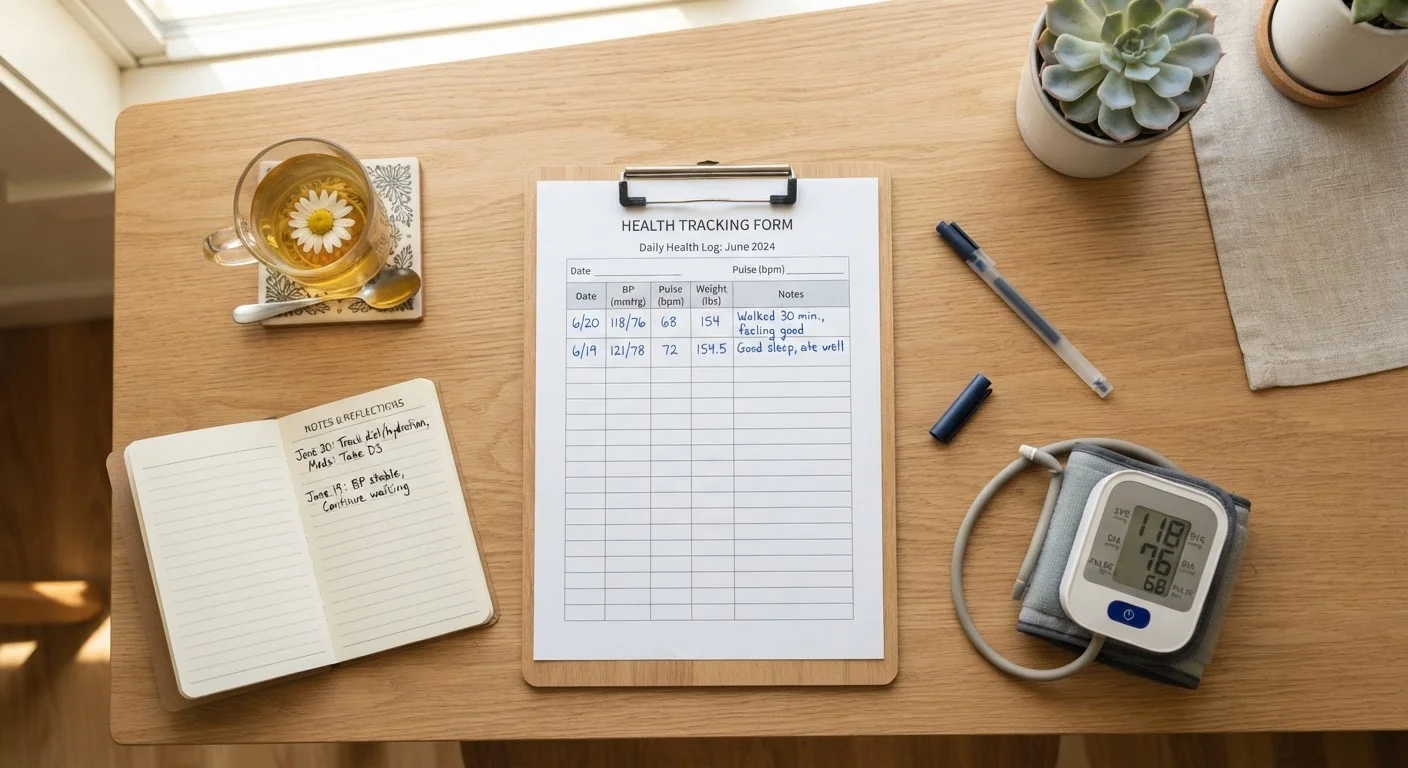
Many people log their training sets and miles but never note their sleep duration or quality. Keeping a brief sleep log for two to four weeks can reveal patterns — like late-night screen use or inconsistent wake times — that explain stalled progress better than any training variable. Awareness is often the first step toward change.
It's also worth noting that sleep and mental state are deeply connected. The mood and motivational disruptions caused by poor sleep often reduce training quality before the physical deficits become fully apparent. Our article on how sleep and mental health form a two-way cycle explores this link in detail.
Building Sleep Into Your Recovery Strategy
Treating sleep as a non-negotiable part of a fitness routine — not an afterthought — is one of the most evidence-supported changes an active person can make. The following practices are consistent with established sleep hygiene recommendations from the CDC and the American Academy of Sleep Medicine:
- Prioritize consistency: Waking and sleeping at the same time daily stabilizes the circadian rhythm that governs hormonal release.
- Protect the sleep environment: Dark, cool, and quiet conditions support deeper, less interrupted sleep.
- Limit alcohol and caffeine in the hours before bed: Both disrupt sleep architecture, reducing time in restorative deep sleep even when total hours appear adequate.
- Avoid intense exercise too close to bedtime if it appears to interfere with sleep onset — responses vary individually.
Nighttime recovery extends beyond muscle repair. Overnight personal care practices can complement the body's natural repair processes that occur during sleep across skin, hair, and cellular function.
This article is for general informational purposes only and does not constitute medical advice. If you have concerns about sleep quality, fatigue, or physical recovery, consult a qualified healthcare professional.