
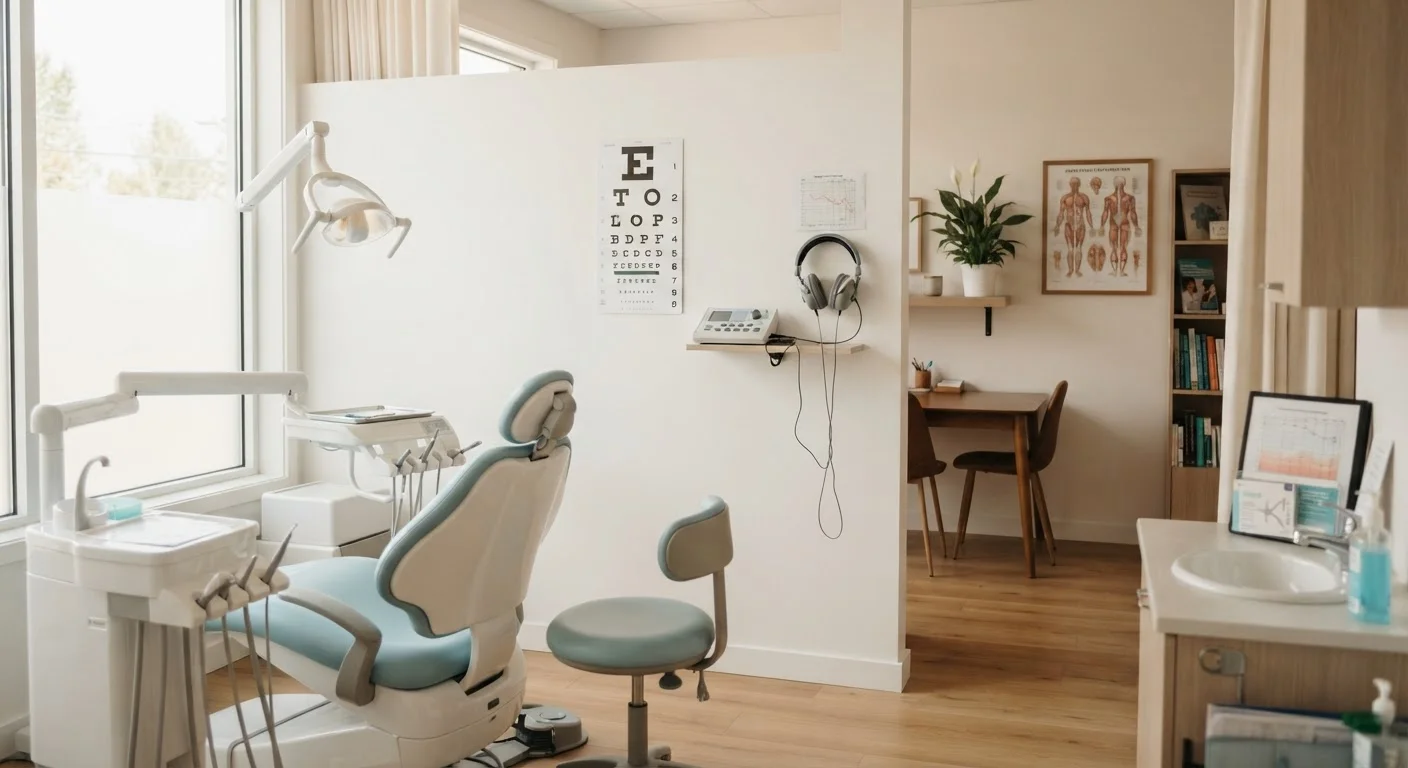
Why These Three Areas Get Left Behind
Most adults know they should see a primary care physician annually. Fewer actually schedule — or keep — their dental, eye, and hearing appointments with the same consistency. These disciplines are often siloed from mainstream medical care, covered under separate insurance plans (if at all), and easy to deprioritize when nothing obviously hurts.
But the absence of pain isn't the same as the absence of a problem. Gum disease, glaucoma, and early-stage hearing loss can each progress significantly before a person notices any symptoms. By the time discomfort or functional impairment appears, the window for straightforward, low-cost intervention may have already narrowed.
This article walks through the specific preventive value of each area — and why treating them as optional extras rather than core health maintenance carries real long-term risk. For a broader view of what proactive health habits look like day to day, see our guide to sustainable preventive health habits.
Dental Checkups: More Than Cavity Prevention
Routine dental visits — generally recommended every six months for most adults, though your dentist may suggest a different schedule based on your individual risk — serve several functions beyond cleaning teeth. Dentists screen for oral cancer, gum disease (periodontitis), and early signs of systemic conditions including diabetes and cardiovascular disease, all of which can produce oral manifestations.
Research has consistently shown associations between periodontal disease and conditions such as heart disease and poorly controlled blood sugar, though the nature of those relationships is still being studied. What is established: untreated gum disease progresses, causes tooth and bone loss, and involves chronic bacterial inflammation — something no part of the body benefits from.
Adults who avoid the dentist due to dental anxiety are a meaningful portion of those who delay care. Discussing this openly with a dental provider can open the door to accommodations that make visits more manageable.
Oral manifestations can signal systemic conditions — the dentist's chair is part of your broader health picture.
Comprehensive Eye Exams: Beyond Reading the Bottom Line
A vision screening at a DMV counter or school nurse's office checks whether you can see clearly at distance — it does not assess eye health. A comprehensive dilated eye exam, performed by an optometrist or ophthalmologist, evaluates the internal structures of the eye for conditions including glaucoma, diabetic retinopathy, cataracts, and macular degeneration.
Glaucoma in particular is often called the "silent thief of sight" because it typically causes no pain or noticeable vision changes until significant nerve damage has already occurred. The American Academy of Ophthalmology recommends that adults with no risk factors have a baseline comprehensive exam by age 40, with frequency increasing after 60 or earlier for those with diabetes, a family history of glaucoma, or other risk factors.
For adults with diabetes, annual dilated eye exams are considered a standard component of diabetes management — diabetic retinopathy is a leading cause of vision loss among working-age adults in the U.S. and is highly preventable when caught early.
Glaucoma causes no symptoms until significant damage is done — a dilated exam is the only way to catch it early.
Hearing Screenings: The Checkup Adults Rarely Ask For
Hearing loss is the third most common chronic physical condition in the United States, according to the National Institute on Deafness and Other Communication Disorders — yet it remains one of the least proactively screened for in adults. Unlike dental or vision care, hearing checks are rarely part of standard annual physicals and are not commonly prompted by patients themselves.
Age-related hearing loss (presbycusis) typically develops gradually, making self-detection unreliable. Many people compensate for years — turning up the TV, asking others to repeat themselves — before recognizing the pattern as a hearing issue. Research has also linked untreated hearing loss to increased risk of cognitive decline and social isolation, making early identification meaningful beyond hearing function alone.
The National Institutes of Health suggests adults have their hearing checked every decade through age 50, and every three years after that — or sooner if occupational noise exposure, a family history, or noticeable changes prompt earlier evaluation.
Most adults with hearing loss compensate for years before seeking evaluation — regular screening removes that delay.
Understanding the Systemic Connections
One of the strongest arguments for treating dental, vision, and hearing care as preventive health — rather than specialty care — is their documented relationship to broader health outcomes. Chronic oral inflammation has been studied in relation to cardiovascular events. Eye exams can reveal signs of hypertension and diabetes before a person is diagnosed with either. Hearing loss has associations with depression, cognitive decline, and reduced physical activity.
This doesn't mean an eye exam replaces cardiology or that hearing loss causes dementia — causality in these relationships is complex and still being investigated. What it does mean is that these checkups generate health information with implications that extend well beyond their specific domain. A provider who spots elevated blood vessel pressure during an eye exam may prompt a conversation about cardiovascular risk that would not have happened otherwise.
For a broader look at screenings that often slip through the cracks, see our article on often-overlooked preventive screenings.
Eye, dental, and hearing exams can surface systemic health signals that extend well beyond their primary domain.
Navigating Insurance and Access Barriers
A persistent challenge with dental, vision, and hearing care is that coverage in the U.S. is fragmented. Traditional Medicare, for example, has historically provided limited coverage for routine dental and vision care, though Medicare Advantage plans vary in what they include. Employer health plans may offer dental and vision as separate, optional add-ons.
Understanding what your current plan covers — co-pays, annual maximums, waiting periods — before scheduling can prevent unexpected bills and help you prioritize which visits to schedule first. Preventive services such as cleanings and eye exams are often covered at a higher rate than restorative procedures, reinforcing the financial logic of not waiting until a problem develops.
Adults who experience cost as a consistent barrier may benefit from looking into community health centers, dental school clinics (which provide supervised care at reduced cost), and vision assistance programs. Gaps in coverage are real, but they don't make prevention any less valuable — they make planning ahead more important. Our article on how preventive care gaps accumulate explores this dynamic in more detail.
Preventive dental and vision services are often covered at higher rates than restorative care — act before a problem forms.
Making These Checkpoints Part of Your Routine
Dental, vision, and hearing care are not supplemental luxuries — they are legitimate components of adult preventive health. Each involves conditions that are meaningfully easier to manage when caught early, and each connects to broader physical health in ways that primary care visits alone may not surface.
Coordinate Across Your Providers
When you schedule any of these specialty checkups, let your primary care provider know. Sharing results across your care team — especially findings like elevated eye pressure, significant periodontal disease, or notable hearing decline — helps your doctor see a fuller picture of your health. Many EHR (electronic health record) systems don't automatically connect dental, vision, and audiology records to primary care, so proactive communication fills that gap.
If you're not sure which of these screenings apply to you or how often you should be seen, a conversation with your primary care provider is a good starting point. They can help coordinate referrals and flag any risk factors that warrant closer monitoring. Our annual preventive care checklist also outlines how these visits fit into a broader year-round health review.
Coverage and access vary. If cost is a barrier, federally qualified health centers and community dental or vision clinics can sometimes provide affordable options — worth researching in your area. The key is treating these appointments as non-negotiable checkpoints, not optional add-ons that get rescheduled indefinitely.
This article is for general informational and educational purposes only and does not constitute medical advice. Always consult a qualified healthcare professional regarding your individual health needs, symptoms, or treatment decisions.