
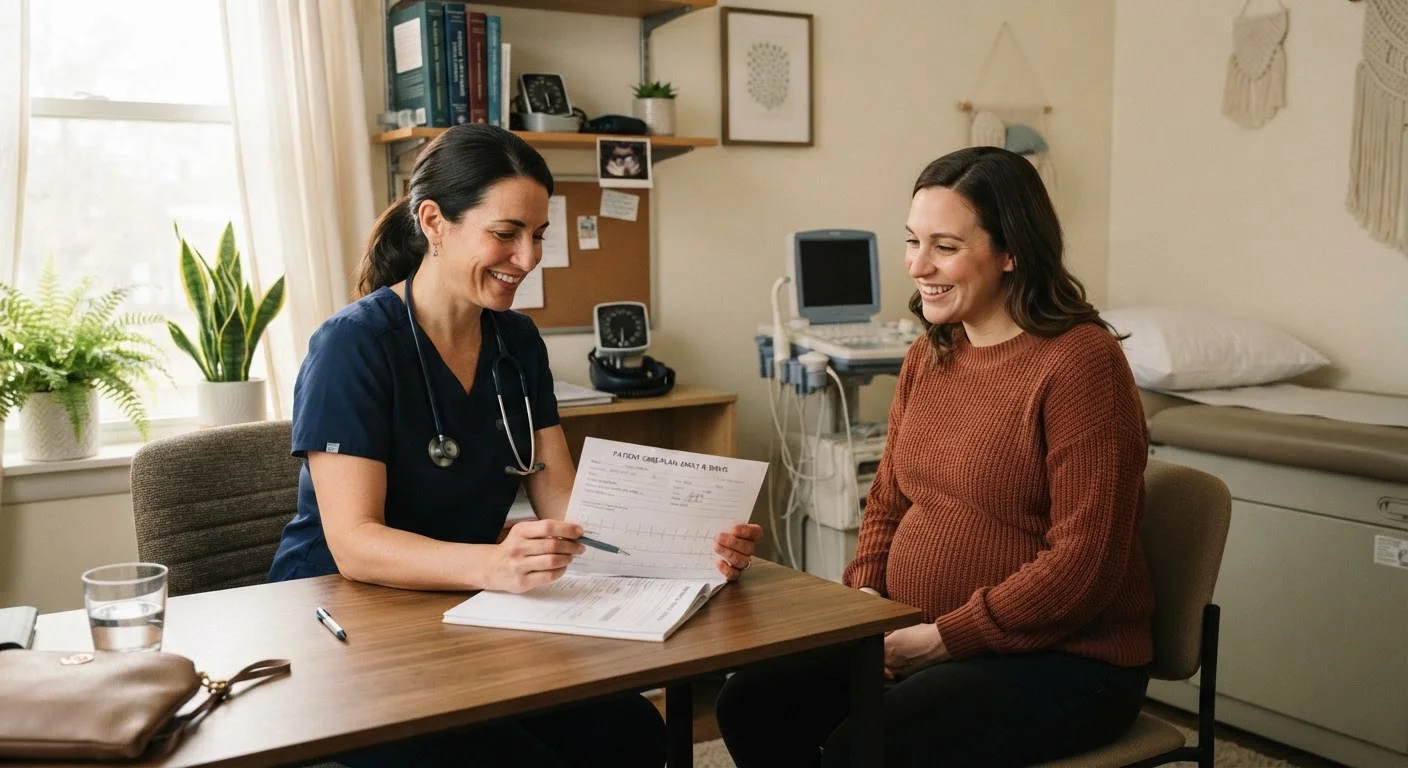
Why Prenatal Care Is Preventive Medicine
Pregnancy is one of the most medically significant periods in a person's life—and it is also one of the clearest opportunities for preventive care to make a measurable difference. Unlike reactive medicine, which responds to illness after it appears, prenatal care is built around anticipation: identifying risks, monitoring changes, and intervening before complications escalate.
This is why health authorities consistently recommend beginning prenatal visits early and maintaining them throughout pregnancy. The prenatal period is not simply about confirming a healthy progression—it is about actively managing the health landscape for both the pregnant person and the developing baby. Readers interested in how prenatal care fits into a broader health picture may find the preventive care milestones for women by decade a useful companion resource.
~6–9%
U.S. pregnancies affected by gestational diabetes
According to the CDC, gestational diabetes affects an estimated 6 to 9 percent of pregnancies in the United States, making routine glucose screening a critical preventive step.
~50–70%
Reduction in neural tube defects with folic acid
The CDC notes that adequate folic acid intake before and during early pregnancy can reduce the risk of neural tube defects by approximately 50 to 70 percent.
~700
Maternal deaths annually in the U.S.
The CDC estimates around 700 pregnancy-related deaths occur in the U.S. each year, with many considered preventable through timely and consistent prenatal care.
Core Components: Screenings, Vaccines, and Supplementation
Prenatal preventive care is not a single visit—it is a schedule of overlapping interventions timed to specific stages of pregnancy.
Screenings serve as ongoing risk monitors. Blood pressure checks detect signs of preeclampsia, a condition that can become life-threatening if unmanaged. Glucose tolerance testing, typically performed between 24 and 28 weeks, identifies gestational diabetes—a condition affecting a significant portion of pregnancies that carries risks for both parent and child if left unaddressed. Infectious disease panels and Group B streptococcus screening protect against complications at delivery.
Vaccinations during pregnancy are another well-established preventive tool. The CDC recommends flu and Tdap vaccines during pregnancy, both of which provide protection to the newborn before the baby can be vaccinated. These are not optional add-ons—they represent evidence-based guidance grounded in decades of safety and efficacy data.
Supplementation with folic acid before and during early pregnancy is one of the most studied preventive interventions in medicine. Adequate folic acid intake is associated with a substantial reduction in neural tube defects. Providers may recommend additional supplements based on individual needs; specific guidance should always come from a qualified healthcare professional.
Start Prenatal Care as Early as Possible
Many of the most impactful preventive interventions—folic acid supplementation, baseline health assessments, and infectious disease screening—are most effective when started early in pregnancy or even before conception. If you are planning a pregnancy, speaking with a healthcare provider beforehand can help establish a strong preventive foundation from the start.
Lifestyle Guidance as Preventive Infrastructure
Prenatal visits are also an opportunity for structured conversations about lifestyle—nutrition, physical activity, substance avoidance, and mental health. These discussions are part of the preventive framework, not peripheral to it.
Providers assess individual circumstances and offer tailored recommendations. For example, guidance on physical activity during pregnancy is not one-size-fits-all; it depends on pre-existing conditions, pregnancy complications, and trimester. Similarly, nutritional counseling addresses specific needs rather than generic advice. Mental health is increasingly recognized as a core component of prenatal care, with screening for depression and anxiety built into many standard protocols.
For readers who want to understand how prenatal care connects to broader adult preventive practices, the annual preventive care checklist for adults provides useful context. And for those uncertain about common barriers to seeking preventive care in general, the article on misconceptions that delay preventive care addresses many widespread myths.
What General Audiences Should Keep in Mind
Prenatal care is a specialized field, and the specifics of any individual's care plan depend on their medical history, risk factors, and provider's judgment. This article is intended as general health education—not medical advice, and not a substitute for personalized guidance from a qualified obstetric provider.
What general audiences can take away is that consistent, early prenatal care is among the most well-supported preventive health investments a pregnant person can make. The evidence base is extensive, the interventions are established, and the potential to reduce both short- and long-term health risks is real.
Anyone who is pregnant or planning to become pregnant should consult a licensed healthcare provider to discuss a care plan suited to their individual situation. For broader context on maintaining physical health as a foundation, the Physical Health hub covers core guidance on fitness and nutrition.
This article is for general informational and educational purposes only. It is not medical advice and should not be used as a substitute for consultation with a qualified healthcare provider. Individuals who are pregnant or planning a pregnancy should speak with a licensed medical professional about their specific circumstances.