
Why Most Cleaning Routines Fall Apart
The most common reason a cleaning routine collapses isn't laziness — it's poor design. Schedules built around aspirational standards rather than actual household rhythms create unsustainable pressure. When the routine demands more time or energy than is realistically available, it gets abandoned entirely, often followed by a guilt-driven deep-clean that starts the cycle over again.
A durable routine is specific, proportionate, and forgiving. It accounts for how many people live in your home, what your actual weekly schedule looks like, and which tasks genuinely matter for comfort and hygiene versus which ones are optional. The same principles that help people maintain other daily habits — consistency, low friction, clear triggers — apply directly here. The approach also connects to broader health and wellbeing: just as building preventive health habits requires realistic expectations rather than dramatic overhauls, a cleaning routine succeeds when it's integrated into life as it actually is.
Never Mix Cleaning Chemicals Without Checking
Some common household cleaners produce toxic fumes when combined — bleach and ammonia is one well-known hazard. Before using multiple products in the same space, read all labels. For a detailed breakdown, see our guide on what you should never mix when cleaning.
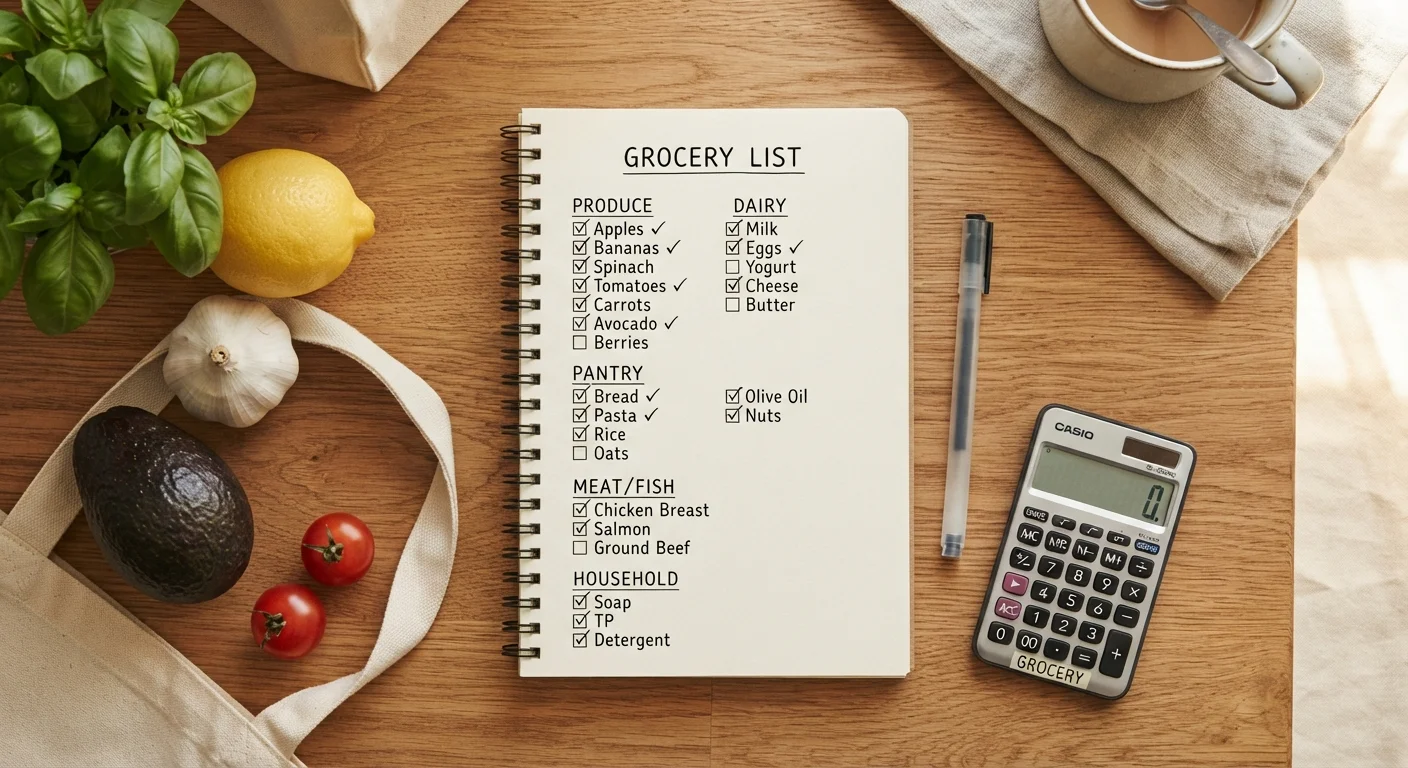
Before you follow the steps below, assemble a basic list of what you already have on hand.
What you will need
How to Build the Routine Step by Step
Audit Your Space and Household Needs
Walk through your home with a notepad and note which areas generate the most mess, how often, and why. A household with young children or pets has different pressure points than a single-occupant apartment. Identify high-traffic zones — kitchen, bathrooms, entryways — and lower-maintenance spaces. This audit becomes the foundation of a schedule that reflects your real life, not an idealized version of it.
Divide Tasks Into Daily, Weekly, and Monthly Categories
Not every task needs to happen every day. Daily tasks should take under 10 minutes total: wiping counters, doing dishes, and a quick tidy. Weekly tasks — vacuuming, mopping, bathroom scrubbing, and laundry — require a larger block of time but only once per cycle. Monthly tasks like cleaning appliance interiors, washing baseboards, or decluttering a storage area can be spread across four Saturdays rather than crammed into one.
Gather and Organize Your Supplies
Collect the tools you'll need before you start building the habit. Missing supplies mid-task is a common friction point that derails momentum. Keep a caddy stocked with your most-used products so you can move efficiently from room to room. Make sure you understand which products are safe to use together — improper combinations can be hazardous.
[tool_cards]Assign Tasks to Specific Days or Triggers
A vague intention to "clean on weekends" rarely holds. Assign each weekly task to a named day, or attach it to a reliable trigger in your existing schedule. For example: bathrooms on Thursday evenings, floors on Saturday mornings. Trigger-based assignment — doing a task right before or after something you already do consistently — significantly improves follow-through over time.
Run the Routine for Two Weeks Before Adjusting
Give your initial schedule an honest two-week trial before making changes. It takes time to identify where tasks are misassigned, too time-consuming, or genuinely unnecessary. Keep brief notes on what felt sustainable and what didn't. After two weeks, refine the schedule based on evidence rather than early frustration. Building any new routine takes iteration — the goal is a system that works for your household over months and years, not perfection in week one.
Build in Seasonal and Life-Change Adjustments
A routine that works in January may not suit August — or a household that's grown by one person or a new pet. Schedule a brief review every three months to assess whether your current tasks still match your actual needs. Seasonal deep-cleaning — washing windows in spring, checking HVAC filters before winter — can be mapped to calendar anchors so they don't get forgotten. Treating your routine as a living document rather than a fixed rule keeps it useful long-term.
Stack Cleaning Onto Existing Habits
Behavioral research consistently shows that attaching a new habit to an existing one — known as habit stacking — improves follow-through. Try wiping bathroom surfaces right after your morning routine, or sweeping the kitchen floor as water boils for dinner. Small triggers build durable systems over time.
Avoid Overloading Your First Week
Starting with an unrealistic schedule is the most common reason cleaning routines collapse. Resist the urge to deep-clean everything at launch. Establish the daily and weekly rhythm first — then layer in deeper tasks once the core habits feel automatic.
Once your routine is running, you may find that certain habits naturally influence other areas of your home life. Readers who have also worked through building a morning routine that sticks often find the same scheduling logic applies — anchor the task, reduce friction, and keep the bar realistic. The same is true for routines that hold up when life gets busy: the fundamentals of habit durability transfer across domains.