Why Most Shopping Lists Don't Actually Control Spending
A basic list of items is better than nothing, but it rarely functions as a real budget tool. The gap between writing a list and staying on budget comes down to structure: what order items are in, whether costs are estimated, and how clearly needs are separated from wants. Without those elements, a list is just a reminder — not a constraint.
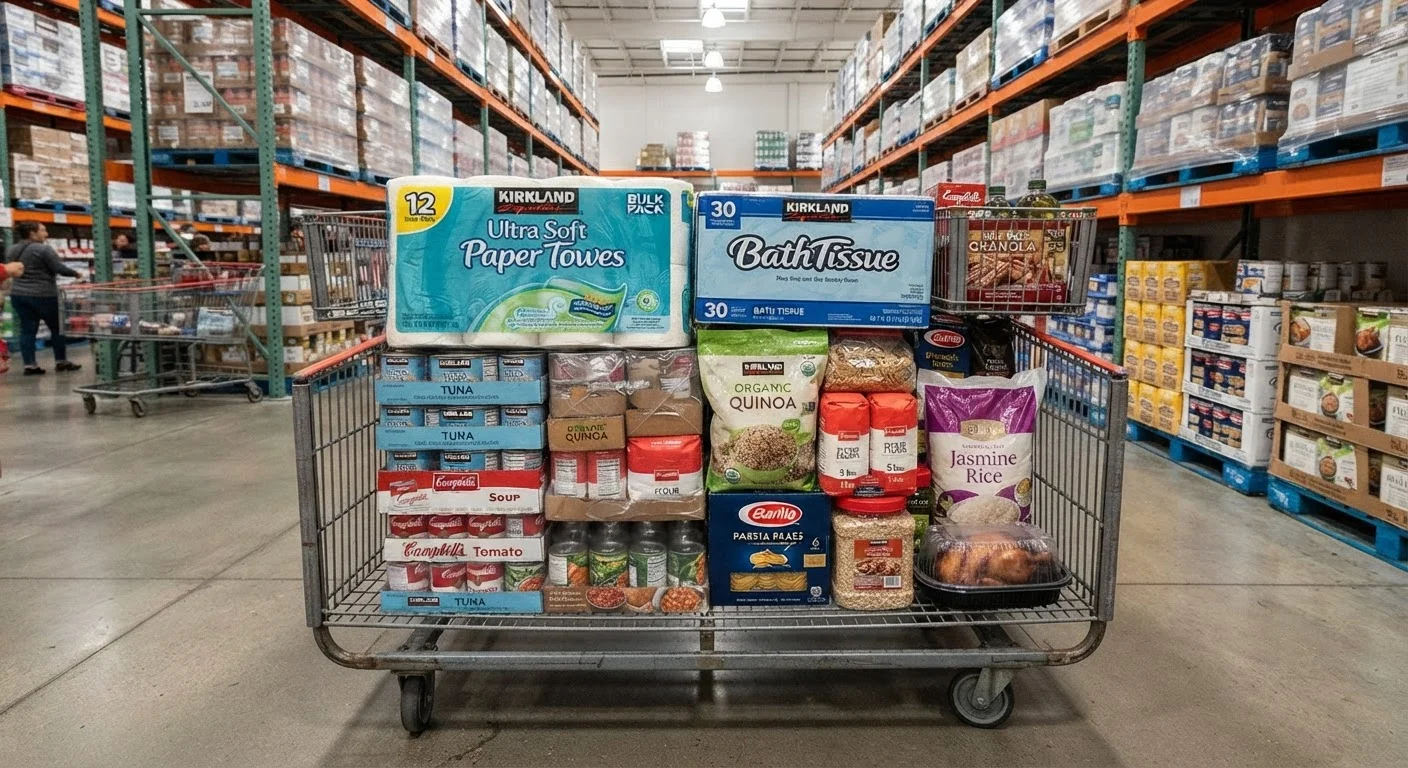
Retail environments are engineered to prompt unplanned additions. Store layouts, product placement, and promotional displays all work against the casual list-keeper. Understanding core consumer decision-making patterns is part of what separates reactive shoppers from deliberate ones. A well-structured list is one of the few tools entirely in the shopper's control.
Notepad or paper
For writing a handwritten list, which research suggests may make item choices feel more deliberate.
Smartphone notes or list app
For maintaining a running list between shopping trips that can be easily edited.
Recent grocery receipts
Used to cross-check spending patterns and identify items to add, reduce, or eliminate.
Weekly budget figure
A fixed spending ceiling that each list item must be checked against before the trip.
The steps below walk through a repeatable system for building a list that functions as an active budget mechanism — not just a memory aid.
What you will need
Building the List: A Step-by-Step Process
Audit what you already have at home
Before adding anything to the list, check your pantry, fridge, and storage areas. Note what's running low versus what's adequately stocked. This prevents duplicate purchases — one of the most common sources of silent budget waste. For a structured approach to this process, see how to run a pre-shopping home audit.
Separate needs from wants before writing anything down
Before the pen hits paper, mentally categorize what you're about to add: is it a genuine household need this week, or is it a want? This distinction matters because mixing them together on a single undifferentiated list makes it easy to rationalize impulse items as necessities. Needs go on first; wants, if any, get added only after the needs are costed out and within budget.
Organize the list by store section or category
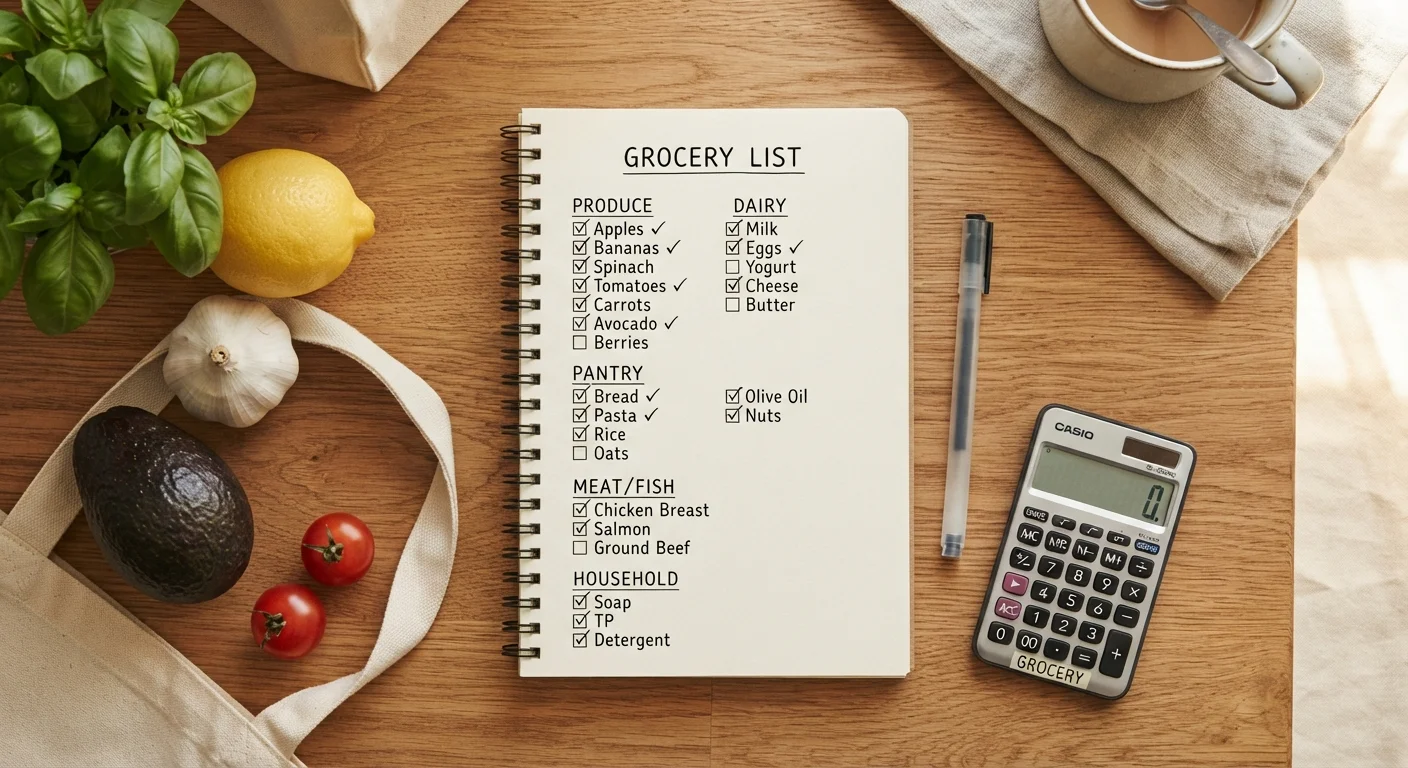
Group items by where they appear in the store: produce, dairy, proteins, dry goods, household supplies. A categorized list keeps you moving efficiently through the store and reduces the wandering that leads to unplanned additions. It also makes it easier to check completeness at a glance before you leave home. Understanding how store layouts are designed can also help you navigate more deliberately.
Assign a rough price estimate to each item
Next to each item, jot a ballpark cost based on what you've paid before or what you expect to pay. Add these up before you leave the house. If your estimated total already exceeds your budget, remove or downgrade items now — not at the register. This is the step most shoppers skip, and it's the one that most directly closes the gap between list and budget.
Flag items where quality level matters
Not every item on the list warrants the same evaluation. Some categories — like certain cleaning products or staple proteins — are worth thinking about in terms of cost-per-use or longevity rather than just sticker price. For guidance on where it makes sense to spend more versus less, this overview of when spending more pays off offers a useful framework. A quick mental note next to the relevant list items keeps that reasoning visible.
Set a firm rule for in-store additions
Decide before you enter the store how you'll handle items not on the list. A common approach: if something not on the list catches your eye, it must wait until the next trip. This cooling-off interval filters out genuine needs (they'll reappear next week) from impulse grabs (they usually don't). Before adding anything unplanned to your cart, running through a quick pre-purchase checklist can help you decide with more confidence.
A List Without Prices Is Incomplete
Writing down items without estimated costs gives a false sense of control. A list that includes rough dollar amounts lets you catch budget overruns before checkout, not after. If you're regularly surprised by your total, adding price estimates is the single highest-impact change you can make to your list format.
Once the habit is established, this process takes under 20 minutes. The payoff is a list you can trust to hold up under in-store pressure — and a receipt that aligns with what you planned. For a broader view of how list-building fits into longer-term spending habits, see habits that keep a budget working over time.
Use Last Week's Receipt as a Starting Point
Rather than building each list from scratch, review your most recent receipt and cross-reference it against what you actually used. Items you bought but didn't consume are strong candidates to remove or reduce. This habit alone can shrink routine grocery spending meaningfully over time — and pairs well with the broader strategies in stretching your grocery budget.
Avoid Building the List While Hungry or Rushed
Lists made under hunger or time pressure tend to include more speculative items — things that sound appealing but don't reflect actual need. Set aside a calm five minutes to build the list after a meal or during a predictable window in your weekly routine. The quality of the list directly affects how well it holds up in the store.
Readers looking to extend these principles beyond groceries will find that the same logic — audit first, estimate costs, separate needs from wants — applies to household purchases generally. A practical framework for household purchase decisions covers how to apply that thinking to bigger or less routine spending.