The Core Promise — and the Catch
Warehouse clubs and bulk-format retailers sell a straightforward idea: buy more, pay less per unit. On paper, the math often holds. A 30-count bottle of dish soap concentrate may cost 40% less per ounce than a standard grocery-store size. For many households, that gap is real money.
The catch is equally straightforward: a lower unit price only translates into actual savings if the product gets used before it expires, degrades, or gets displaced by something else. The full savings picture requires weighing unit cost against consumption rate, storage cost, and spoilage risk together — not just the price tag on the shelf.
Understanding that distinction is where smart bulk-buying decisions begin.
Lower cost per unit on everyday staples
Buying in larger quantities typically reduces the per-unit price by a meaningful margin on non-perishable goods like cleaning supplies, paper products, and dry pantry staples.
Fewer shopping trips needed
Stocking up means less frequent restocking runs, which saves time and can reduce impulse purchases that come with each trip to the store.
Protection against price fluctuations
Locking in current prices on staples you use regularly provides a natural hedge against near-term price increases on those categories.
Consistent supply of household essentials
Running out of toilet paper, laundry detergent, or canned goods becomes far less likely when you maintain a buffer stock at home.
When Bulk Buying Works in Your Favor
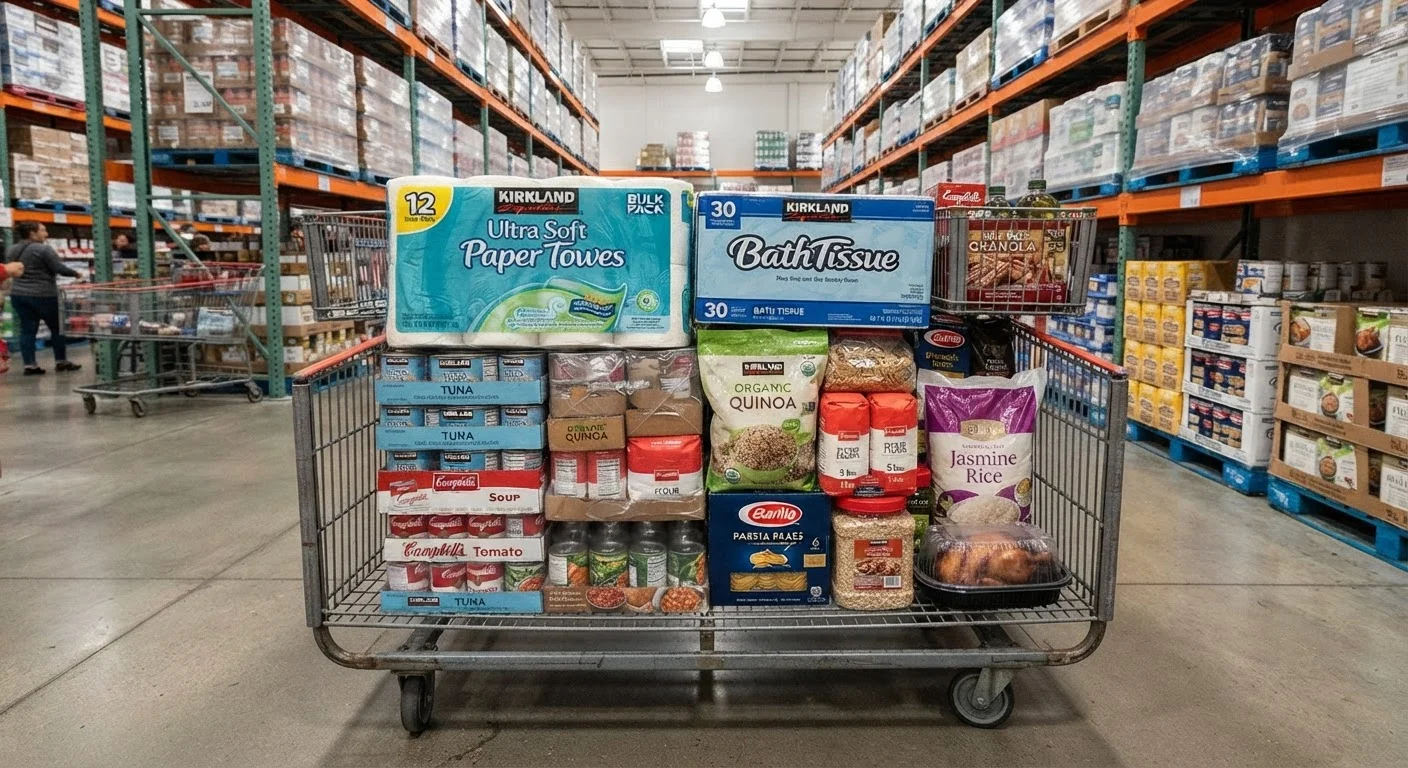
Bulk purchasing performs best in a narrow but reliable set of conditions. The product must be something your household uses consistently, in predictable quantities, with a long enough shelf life to survive the time between restocking. Think toilet paper, laundry detergent, canned tomatoes, or dried pasta — items where the only variable is price.
Storage matters just as much as consumption rate. A 40-pound bag of rice is an excellent value if you have a cool, dry pantry with room to keep it properly sealed. Without that space, the savings evaporate into spoilage or pest exposure. Part of the value equation for bulk staples is outlined in our guide to pantry staples that benefit from bulk buying.
Larger households and families with children tend to get the most consistent value from warehouse memberships because turnover is fast enough that the upfront quantity rarely sits long.
~20–30%
Typical unit-price savings at warehouse clubs
Consumer research consistently finds that warehouse club prices on qualifying non-perishable categories run roughly 20–30% below conventional grocery pricing on a per-unit basis.
40%
Americans who report food waste from over-buying
Surveys on household food waste indicate that overbuying — including from bulk purchases — is among the leading self-reported causes of food being discarded before use.
When the Math Turns Against You
The risks are just as concrete as the benefits. Perishables — produce, dairy, deli meats, fresh bread — spoil on a fixed timeline regardless of how good the deal looked at checkout. Buying a 5-pound container of spring mix for a two-person household rarely ends well.
Specialty or trend-driven items carry a different kind of risk: you may simply tire of them before the supply runs out. Bulk quantities of a new sauce, a seasonal snack, or a personal care product you haven't tested before can turn a minor experiment into a months-long commitment.
Membership fees deserve explicit attention. An annual fee that isn't offset by documented savings on purchases you were already going to make is a net cost, not a benefit. For context on when premium spending genuinely pays off at home, see where home spending more actually pays off.
High upfront cost strains short-term cash flow
Even when the per-unit math works, buying a large quantity at once requires a larger immediate outlay that can crowd out other budget priorities in the same pay period.
Perishables spoil before they can be used
Fresh produce, dairy, and baked goods have fixed shelf lives that don't bend to bulk quantities — smaller households are especially vulnerable to waste on these items.
Storage space requirements are real
Warehouse quantities demand dedicated storage with appropriate conditions — temperature, humidity, and pest control — that not every home can provide adequately.
Membership fees reduce net savings
Annual warehouse club memberships only pay for themselves if the documented savings on purchases you were already planning to make exceed the fee amount.
Risk of buying items you stop using
Tastes, diets, and household needs change; committing to large quantities of a product you haven't used long-term can result in money tied up in items that go unused.
Doing the Math Before You Buy
A reliable bulk-buying decision comes down to three numbers: unit price, consumption rate, and shelf life. If a product will be fully used before it expires — and the unit price is genuinely lower than alternatives — the purchase earns its place. If any of those three factors is uncertain, the risk goes up proportionally.
Track What You Actually Use
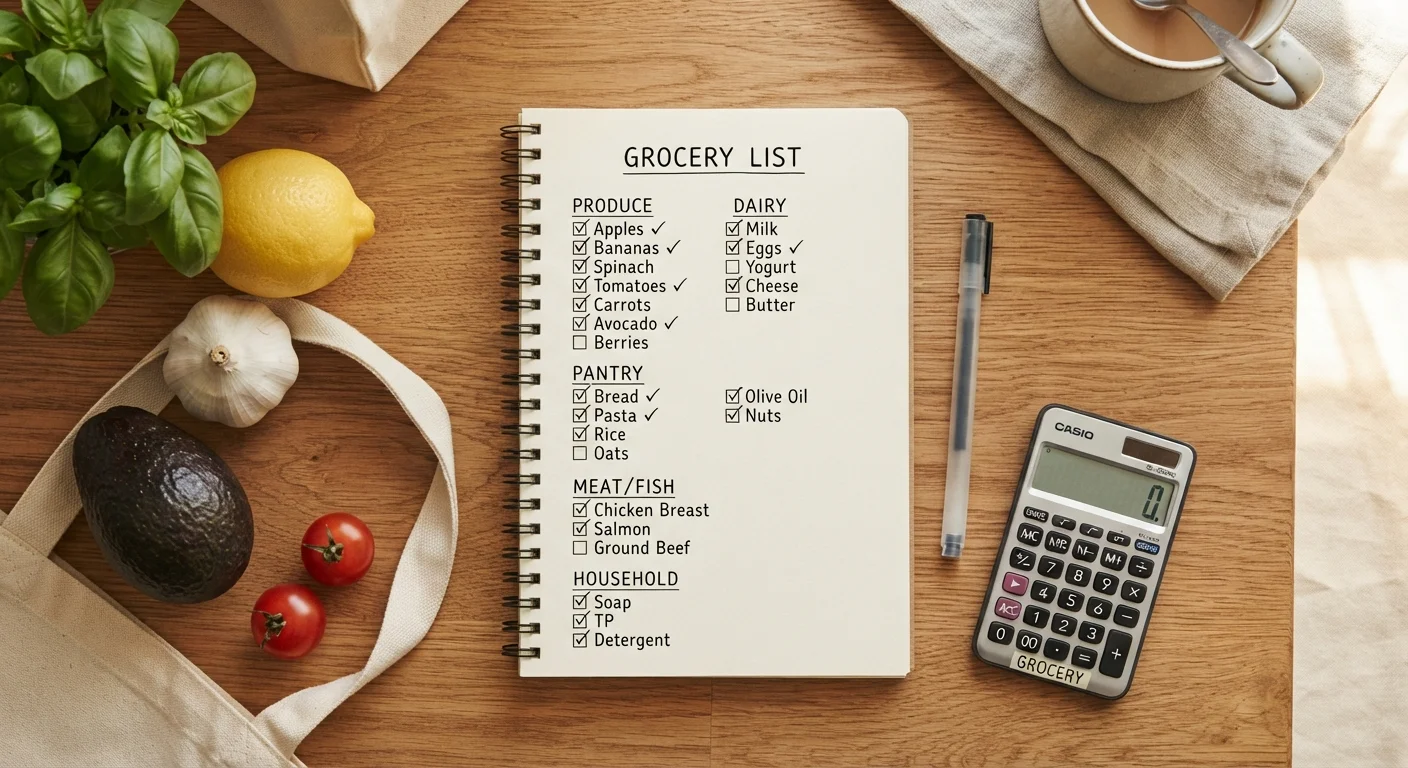
Before committing to a bulk purchase, spend two to four weeks noting how quickly your household actually consumes a product. Many shoppers overestimate their usage rate, especially for specialty or seasonal items. A simple tally in a notes app takes seconds and can prevent a costly miscalculation. This is especially useful when evaluating warehouse membership value at renewal time.
Cost-per-use thinking applies here in the same way it applies to durable goods. A concept explored further in why the cheaper option sometimes costs more long-term — price and value diverge whenever quantity outpaces actual use.
For households navigating a tight monthly budget, the upfront cash required for bulk quantities is itself a factor. Paying $60 for a six-month supply of paper towels may pencil out over time, but it competes with other budget priorities in the short run. The budgeting basics hub offers a useful framework for fitting large one-time purchases into a monthly spending plan.