The Core Question: Frequency and Consequence
Not every item in your home deserves the same scrutiny. The two most useful filters when evaluating any purchase are how often you'll use it and what happens when it fails. An item you reach for daily that performs poorly — or wears out quickly — costs you twice: once at purchase and again at replacement. One you use twice a year has a much lower stake.
This is the basis of cost-per-use thinking, which helps you move past sticker price toward a clearer picture of actual value. A $90 skillet you cook in every day for six years costs far less per use than a $25 version replaced three times in the same period. The math doesn't always favor spending more — but in specific categories, it reliably does.
Price and value aren't interchangeable, and the households that manage budgets well tend to understand this distinction intuitively.
Where Spending More Pays Off
Certain household categories have a consistent track record of rewarding investment. Here are the areas where quality tends to outperform budget options in real, measurable ways.
Prioritize quality in items used daily or multiple times per day.
Daily-use items accumulate wear faster than anything else in your home. A lower-quality version may degrade in months rather than years, triggering replacement costs that exceed what a more durable item would have cost upfront. Consistent performance also matters — a tool that works reliably every time saves frustration alongside money.
Spend more on safety-critical household items without compromise.
Items directly related to household safety — smoke detectors, carbon monoxide alarms, fire extinguishers, and similar equipment — have consequences for failure that go far beyond inconvenience. The cost difference between budget and quality tiers in these categories is typically small relative to the stakes.
Invest in items that affect sleep, posture, or physical comfort directly.
Mattresses, supportive pillows, and ergonomic seating influence physical wellbeing in ways that compound over time. Poor sleep quality and inadequate support can affect energy, focus, and health — though anyone with existing health concerns should consult a professional about their specific needs rather than relying solely on product choices.
Choose durable materials in high-contact kitchen and bath items.
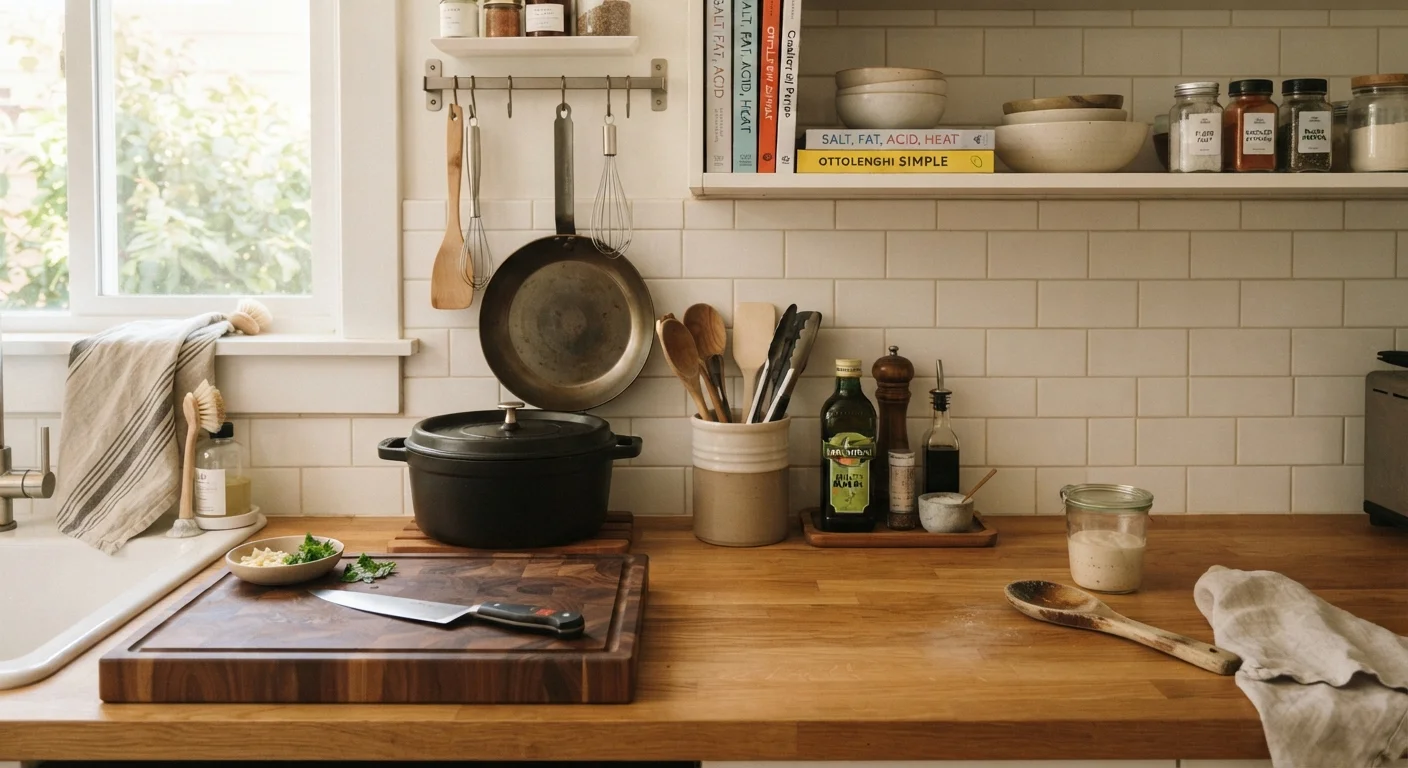
Cutting boards, cookware, and bath fixtures are used constantly and come into direct contact with food or skin. Materials that degrade, warp, or leach over time create both performance problems and potential concerns. Sturdier construction in these categories tends to hold up across years of regular use.
Factor in repairability when evaluating major appliances.
An appliance that can be serviced and repaired extends its useful life significantly. When two options are comparably priced, the one with widely available parts and service support often delivers better long-term value than a cheaper unit that must be discarded at first malfunction.
2–3x
Typical replacement frequency of low-quality daily-use items
Consumer product durability research consistently shows budget-tier daily-use household goods require replacement significantly more often than mid-to-upper-tier equivalents over a five-year period.
~30%
Household items where quality tiers differ meaningfully
Industry analyses of product category performance suggest that roughly a third of common household item categories show genuine, measurable quality differences across price tiers — the rest perform similarly regardless of cost.
Where Generic or Budget Options Hold Up Fine
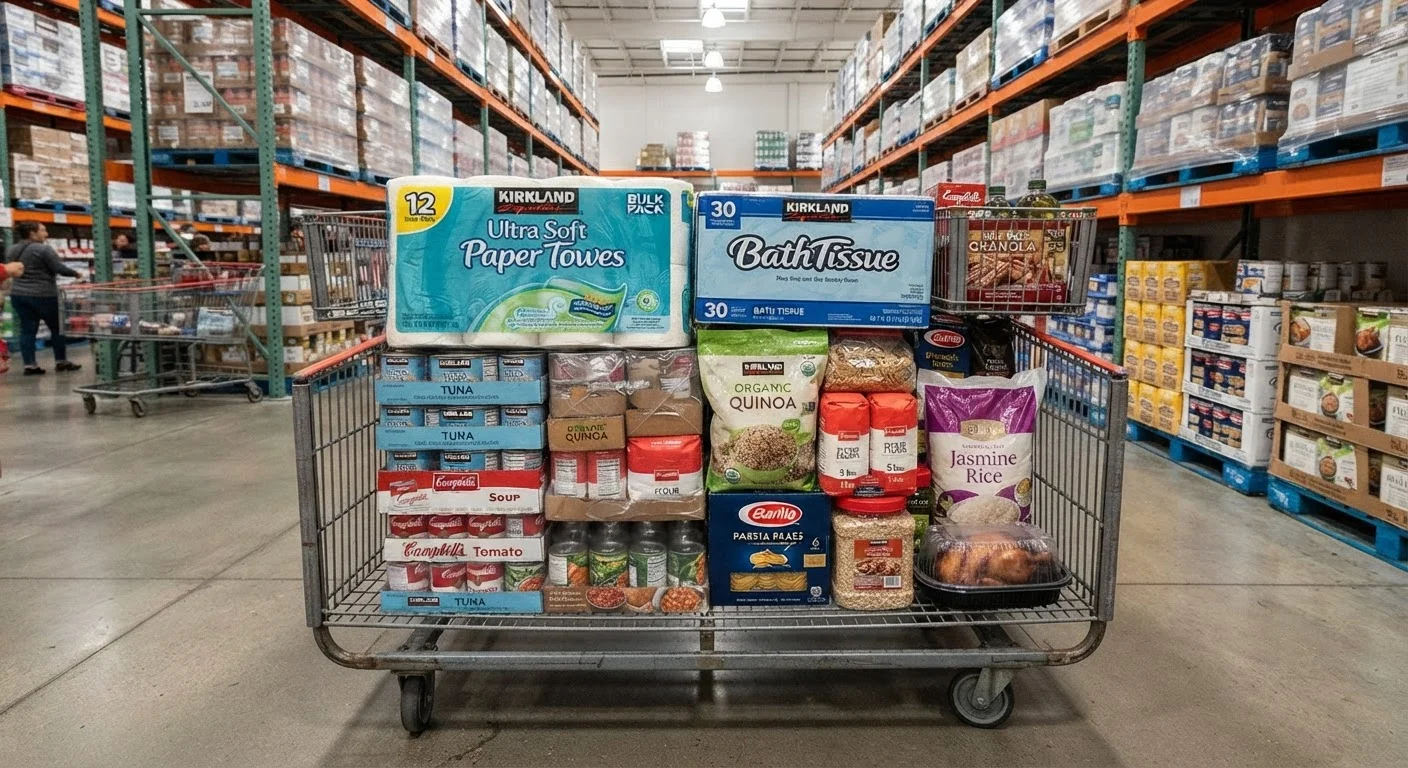
Spending more isn't universally wise. Many household items perform identically regardless of price tier. Cleaning supplies, basic storage containers, paper goods, and pantry consumables are categories where the budget option usually delivers equivalent results. Store brands and name brands often share the same manufacturing source, particularly in cleaning products and basic kitchen staples.
The risk of over-investing in low-stakes categories is real: money spent on premium versions of items where quality doesn't meaningfully differ is money unavailable for the categories where it does. Understanding where cheap items genuinely underperform helps you avoid both traps — reflexive frugality and reflexive premium-buying.
Apply the Two-Year Test Before Buying
Before purchasing any household item over $30, ask whether you expect to still be using it in two years. If the answer is yes, it's worth spending a few extra minutes researching construction quality and warranty terms. If the answer is uncertain, a mid-range or generic option is usually the more sensible starting point. This simple check prevents both over-spending and under-investing in the same shopping trip.
For infrequently used tools and specialty equipment, the calculus shifts further. Renting may outperform buying outright for items used only once or twice a year.
Building a Consistent Evaluation Habit
The goal isn't a fixed list of items to always splurge or always save on — it's a repeatable thinking process you apply before any significant purchase. Ask: How often will this be used? What does failure look like? Is this item safety-critical or in direct contact with food or skin? Does a warranty or repairability option exist?
A consistent evaluation framework applied to any household purchase reduces both regret and waste. Pair that with checking quality signals like materials and warranty terms before committing, and you'll make fewer decisions you second-guess later.
For households building or refining a broader budget approach, core spending principles provide a durable foundation that goes well beyond individual purchase decisions.