The Gap Between Sticker Price and Actual Cost
Most household purchasing decisions start and end at the price tag. That's understandable — the upfront number is concrete, immediate, and easy to compare. The problem is that for many product categories, the purchase price is one of the least reliable indicators of what you'll actually spend.
Replacement frequency, performance gaps, energy consumption, and even safety-related costs all accumulate after the sale. When those downstream costs are added up, a nominally cheap item can end up being the more expensive choice. Understanding where that gap is most likely to appear is the first step to spending more strategically.
For a broader framework on this, the concept of cost-per-use thinking is particularly useful — it shifts the comparison from a single moment to the full lifespan of a product.
2–3×
Replacement frequency for budget vs. mid-grade tools
Consumer durability research consistently finds that budget-tier hand tools and cleaning implements require replacement two to three times more often than mid-grade equivalents under regular household use.
Up to 30%
Higher energy draw from inefficient budget appliances
Studies on small appliance efficiency indicate that units lacking energy-efficiency ratings can draw measurably more electricity, adding to monthly utility costs over a product's lifespan.
Common Mistakes That Turn Savings Into Costs
The errors below aren't unusual — they're the natural result of how retail environments present choices. Understanding the patterns makes them easier to avoid.
Judging value by purchase price rather than cost-per-use.
Why it happens: The sticker price is the most visible number, so it naturally anchors the decision. Replacement costs and performance deficits happen later, making them easy to discount at the moment of purchase.
Overlooking energy consumption when buying budget small appliances.
Why it happens: Energy costs are invisible at the point of sale. Without an efficiency rating on the label, it's easy to assume all comparable appliances run about the same.
Buying uncertified electrical or safety-critical products to save upfront.
Why it happens: Online marketplaces surface products by price, making deeply discounted items highly visible. Safety certifications aren't always displayed prominently, and many shoppers assume all listed products meet baseline standards.
Replacing consumables more often because budget versions underperform.
Why it happens: Cheap sponges, mop heads, trash bags, or batteries often require more product per task or fail sooner — but because each individual unit is inexpensive, the pattern of over-buying goes unnoticed.
Ignoring the time cost of dealing with product failures.
Why it happens: Time isn't a line item in any store's pricing, so it's rarely factored in. But returning a failed item, reordering, and waiting for delivery has real value.
These patterns show up across categories, but some product types carry more risk than others. Small appliances, bedding, cleaning tools, and storage products tend to have higher variation in quality at similar price points, making them worth extra scrutiny. For guidance on which household categories reward spending more, see where spending more actually pays off.
Uncertified Products Can Pose Safety Risks
Some deeply discounted household electronics and appliances lack certification from recognized testing bodies such as UL (Underwriters Laboratories) or ETL. Uncertified products may not meet established safety standards for electrical safety or fire resistance. Before buying any plug-in device on price alone, check the product label for a recognized safety mark. When in doubt, consult the manufacturer's documentation or look up the model with the relevant certification organization.
Building a More Durable Purchasing Habit
The goal isn't to avoid affordable products — it's to avoid products whose total cost of ownership quietly exceeds what you'd have paid for something more reliable. A few practical habits make that distinction easier to apply.
- Annualize the spend. For any consumable or item you replace regularly, calculate what you spend per year, not per unit. That number is often more motivating than the per-item price.
- Check the category, not just the price. Some product categories have tight quality variation across price points; others vary enormously. Research which matters for the item you're buying.
- Separate occasional use from daily use. Items used infrequently can reasonably be bought at a lower price point. Daily-use items tend to reward durability investment more consistently. Our guide on durable vs. disposable products covers this distinction in detail.
Smart household spending isn't about always choosing the most expensive option — it's about matching product quality to actual use patterns. That alignment is where real savings happen. For more strategies on keeping household costs in check without cutting quality across the board, see stretching your household budget.
"Cheaper Per Unit" Isn't Always Cheaper Overall
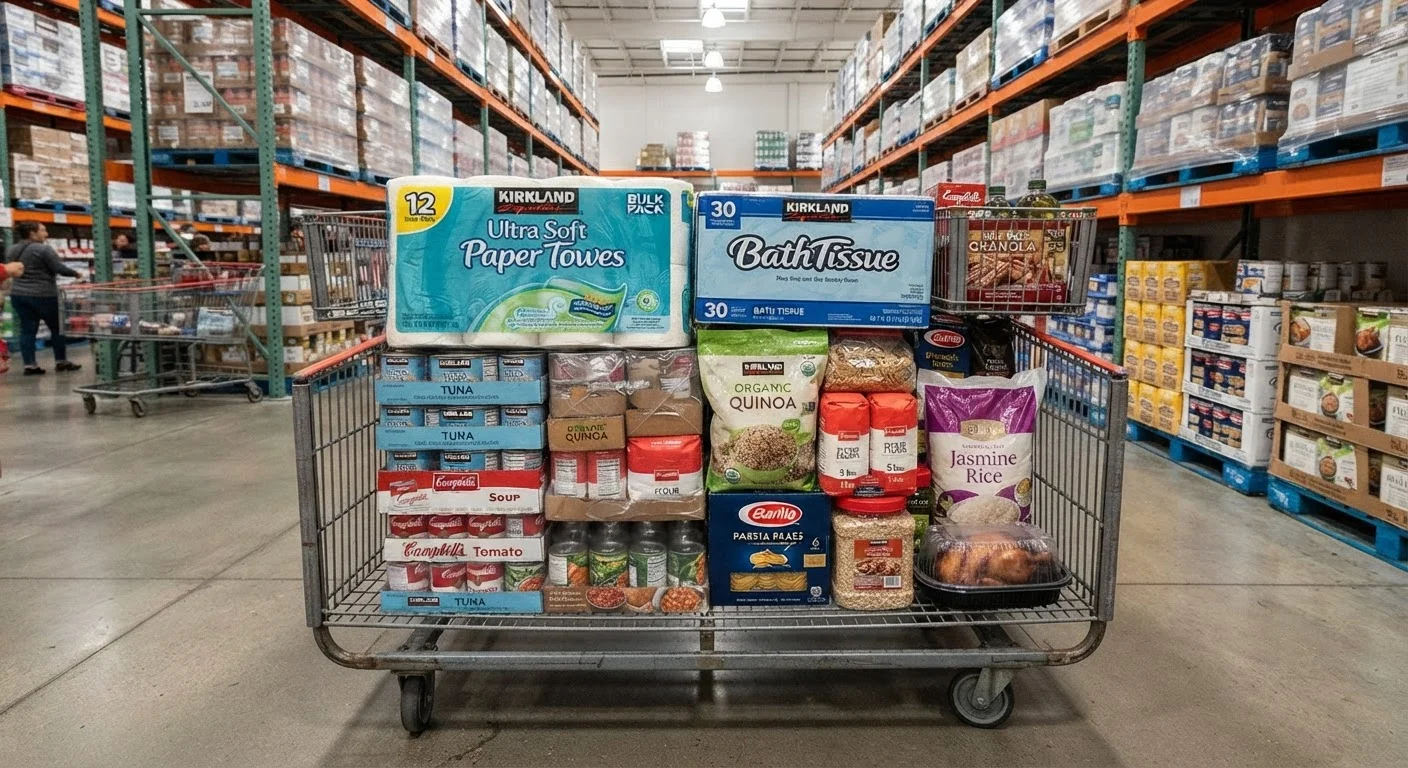
Bulk or multi-pack deals on low-quality items can amplify the problem — you're not saving money if you're buying ten versions of something that fails quickly. Evaluate quality before committing to volume. See our related guide on when bulk buying actually saves money for a fuller breakdown.