
Why Budget Stretching Feels Hard (And What Changes That)
Most budget advice focuses on what to cut. That framing almost always backfires — restriction triggers resistance, and a spending plan built around sacrifice tends not to survive contact with real life. The more useful starting point is understanding why money feels tight before reaching for the scissors.
For many households, the issue isn't overspending on obvious luxuries. It's a gradual accumulation of small automatic expenses — subscription renewals, convenience purchases, energy use — that individually seem trivial but collectively consume a significant slice of monthly income. Identifying these is the prerequisite for anything else.
The shift from "spending less" to "spending more deliberately" matters psychologically. When you make an active choice to redirect money toward something you value, it doesn't feel like deprivation — it feels like control. That's the foundation a workable household budget is built on. For a structured starting point, the Budgeting Basics hub covers how to track spending and set up a usable framework from scratch.
Fixed costs
Expenses that stay the same every month regardless of usage, such as rent, mortgage payments, or loan installments. These are the hardest to adjust quickly.
Variable necessities
Expenses you need but whose amounts can change, like groceries, utilities, and gas. These offer the most practical room for budget adjustments.
Discretionary spending
Non-essential purchases you choose to make, such as dining out, entertainment, or hobby supplies. This category is usually where the most savings flexibility exists.
Cost-per-use
The total price of an item divided by how many times you actually use it. A higher upfront cost can result in a lower cost-per-use if the item lasts significantly longer.
Habit architecture
Designing your environment and routines so that better financial decisions happen automatically, rather than relying on constant willpower or active effort.
Where Your Money Actually Goes
Before adjusting anything, spend two to four weeks logging real expenditures — not estimated ones. Most people are surprised by at least one category. Common findings include food waste that inflates the grocery bill, overlapping streaming or software subscriptions, and utility usage patterns that could be trimmed without any lifestyle change.
Group your spending into three buckets: fixed costs (rent, loan payments, insurance), variable necessities (groceries, utilities, transportation), and discretionary spending (dining out, entertainment, clothing). This simple structure reveals where flexibility actually exists — and it's almost always in variable and discretionary categories, not fixed ones.
If your household shares finances with a partner or roommates, aligning on this picture together is essential. Mismatched assumptions about "normal" spending cause most shared-budget friction. The article on budgeting as a couple or household offers practical approaches for getting aligned without ongoing conflict.
Practical Strategies That Make a Real Difference
Once you know where money goes, targeted adjustments become straightforward. These approaches consistently deliver real savings without requiring dramatic lifestyle changes:
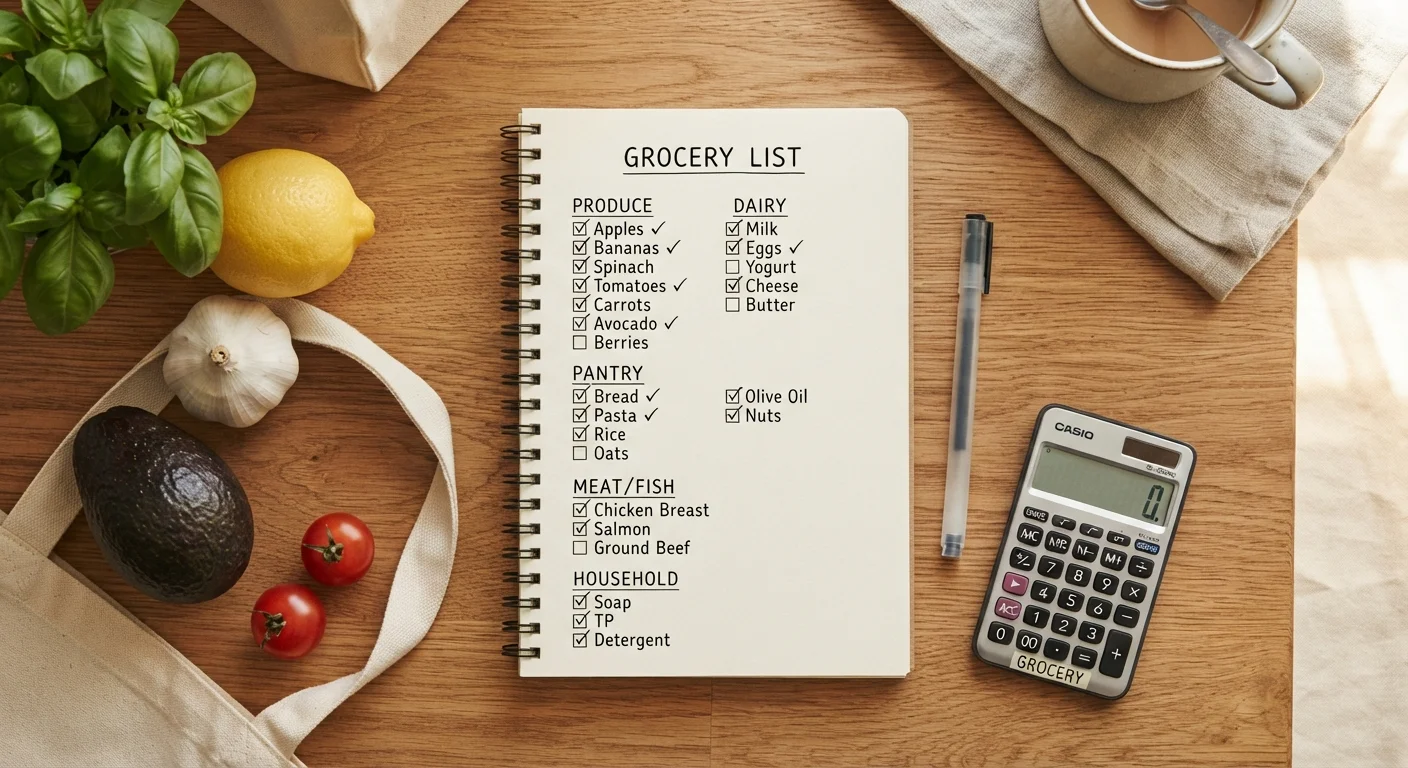
- Meal planning around what you already have. Grocery spending is one of the most controllable household line items. Planning meals before shopping — and building at least one meal per week around pantry staples — reduces both the bill and food waste simultaneously.
- Auditing recurring charges quarterly. Set a calendar reminder every three months to review subscriptions, memberships, and auto-renewed services. Cancel anything you haven't actively used in the past 60 days.
- Reducing energy use through habit, not hardship. Adjusting thermostat settings by a few degrees, running full loads in the dishwasher and washing machine, and unplugging idle devices are changes most households barely notice in daily life but do notice on utility bills.
- Delaying non-urgent purchases by 48–72 hours. A short waiting period before discretionary purchases eliminates most impulse buys without requiring any long-term willpower.
The 48-Hour Rule Works Better Than Willpower
When you feel the urge to make an unplanned purchase, write it down and revisit it two days later. Most of the time the urgency fades and the purchase doesn't happen. For purchases that still feel worthwhile after the wait, you can buy with more confidence that it's a considered choice.
Spending Smarter, Not Just Less
Budget stretching isn't only about spending less — it's about getting more value from what you do spend. Two concepts matter here: cost-per-use and category prioritization.
Cost-per-use is the total price of an item divided by how many times you use it. A $90 item used 200 times has a lower cost-per-use than a $30 item replaced three times. This logic applies to kitchenware, clothing basics, bedding, and tools — categories where quality often translates directly to longevity. The article on when to spend more on home essentials breaks down which categories reward the higher investment. Conversely, why cheap household items sometimes cost more explores the hidden costs of always buying the lowest-priced option.
Category prioritization means protecting the spending that genuinely contributes to your wellbeing or household function, and trimming categories that don't. For example, some households find they can reduce clothing spend significantly by applying a few durable principles — see dressing well on a tight budget for a practical framework.
Cutting Too Deeply Can Backfire
Budgets that eliminate all discretionary spending tend to collapse within a few months because they leave no room for real life. Build in a modest personal spending allowance — even a small one — so that the plan doesn't feel like a punishment. Sustainability matters more than short-term maximalism.
Building Habits That Stick
The most effective budget changes are the ones that become automatic. One-time audits and spending freezes produce short-term results; what sustains them is habit architecture — small decisions that require no ongoing willpower because they're built into your routine.
A few approaches that tend to stick: scheduling a brief monthly money review (15–20 minutes is enough), keeping a running list of deferred purchases rather than buying impulsively, and building even a modest emergency fund so unexpected costs don't derail the whole budget. The guide on building an emergency fund inside a tight budget shows how to start this even when every dollar already feels committed.
It's also worth distinguishing genuine needs from wants that have drifted into feeling necessary — a distinction that's harder than it sounds in practice. The article on drawing the needs-vs-wants line offers a realistic framework for making that call without guilt. Budget discipline isn't a fixed personality trait — it's a set of practiced decisions. Start with one or two changes, build from there, and the compounding effect tends to take care of the rest.
This article is for general informational purposes only and does not constitute financial advice. For guidance tailored to your personal situation, consult a qualified financial professional.