
Why an Emergency Fund Matters More on a Tight Budget
Households with limited financial margin are the ones most vulnerable to unexpected expenses — and paradoxically, the ones most often told that saving is a luxury they cannot afford. In reality, the absence of even a small emergency fund frequently forces lower-income households into high-interest debt when a crisis arrives. A single car repair financed on a credit card can cost significantly more over time than the original expense.
An emergency fund acts as a buffer between your daily life and the unpredictable events that would otherwise force you to borrow. The goal of this guide is to show that building one is achievable in stages, even when every dollar feels accounted for. This is general financial education; your specific circumstances may warrant a conversation with a licensed financial adviser.
What you will need
Tools and Accounts You Will Need
Before you begin, gather the basic items that make this process work. None of them require a minimum income or an existing savings balance.
Separate savings account
Holds your emergency fund apart from spending money to reduce the temptation to dip into it.
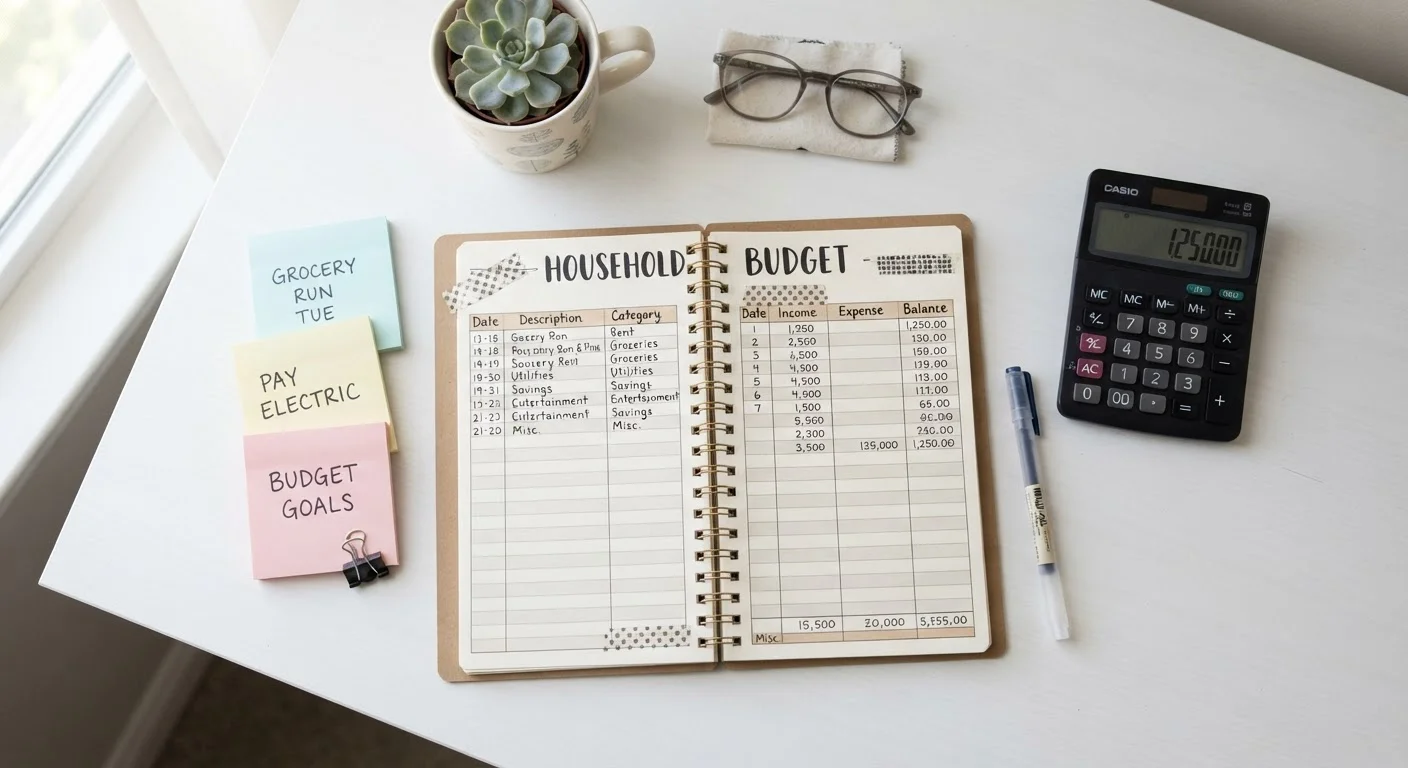
Written or digital budget
Reveals where your money currently goes and where savings opportunities may exist.
Automatic transfer or bill-pay feature
Moves a set amount into savings on payday without requiring manual action each cycle.
Spending tracker app or spreadsheet
Helps identify discretionary expenses that could be reduced to free up savings capacity.
Avoid Mixing Emergency Funds With Daily Spending
Keeping your emergency fund in the same account you use for everyday expenses dramatically increases the risk of spending it accidentally. Even a separate savings account at the same bank — with a different account number — creates a psychological and practical barrier that helps preserve the fund.
Step-by-Step: Building Your Emergency Fund
Follow these steps in order. Each builds on the previous one, and the sequence is designed to create momentum from a standing start.
Set a realistic starter goal, not the ultimate goal
Financial guidance often cites three to six months of living expenses as the target emergency fund size. For someone on a tight budget, that number can feel paralyzing. Instead, set a starter goal of $500 to $1,000. This amount covers many of the most common financial shocks — a car repair, an unexpected medical copay, or a temporary gap in income — without requiring years of sacrifice to reach.
Once you hit your starter goal, you can gradually raise the target. Progress compounds motivation.
Map your current spending to find your margin
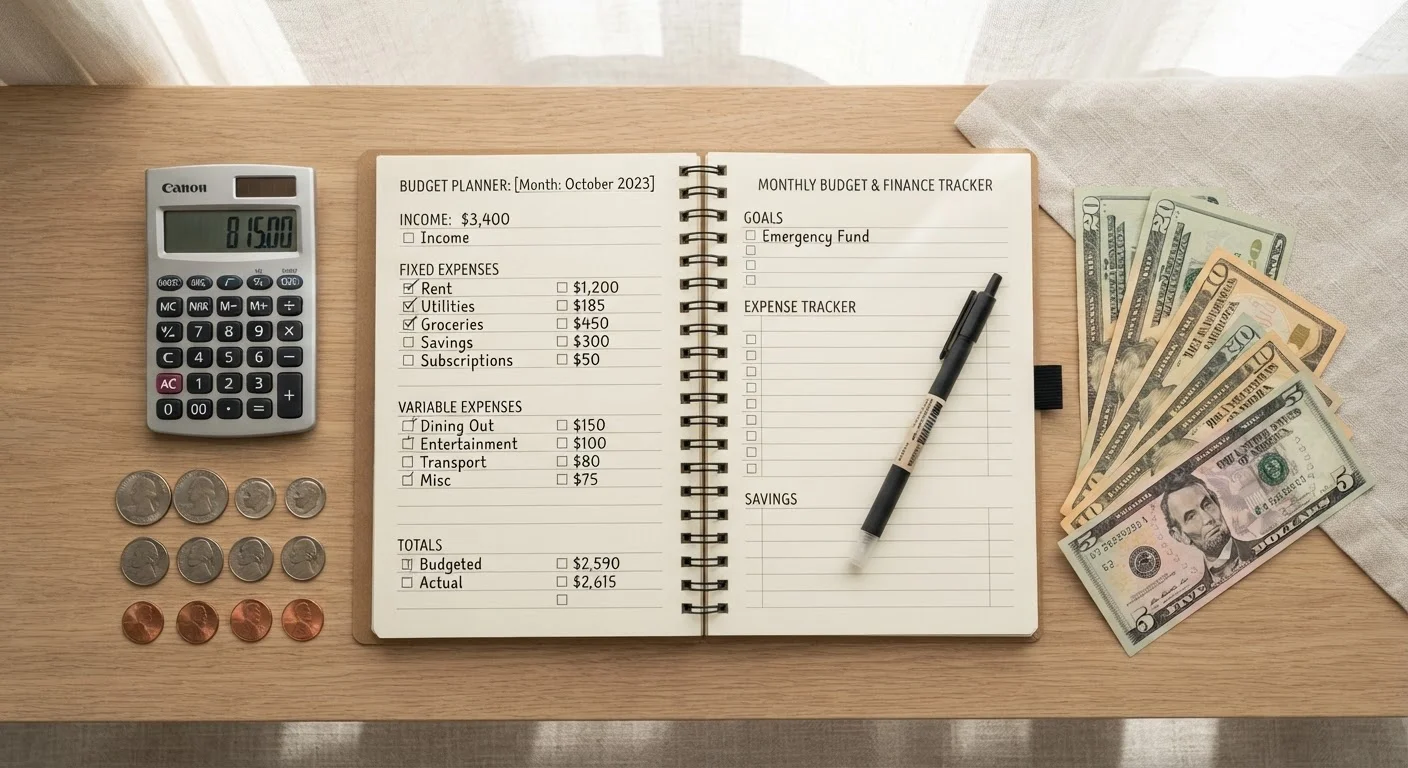
You cannot find money to save if you do not know where it is going. List every monthly expense — fixed and variable — against your take-home income. The difference is your current margin. If your margin is zero or negative, the goal shifts to identifying even one expense to reduce or eliminate temporarily. Common areas include subscription services, dining out, and impulse purchases.
If you are new to this process, our guide to personal budgeting from the ground up walks through every step in detail.
Open a dedicated emergency savings account
Open a savings account that is separate from your everyday checking account. It should be accessible within a day or two in a true emergency, but not so easily accessible that you draw from it for routine purchases. Many banks and credit unions offer no-fee savings accounts with no minimum balance requirement.
Label the account clearly — most online banks allow custom account nicknames. Seeing the words "Emergency Fund" each time you log in reinforces the purpose.
Automate a fixed transfer on payday
Decide on the smallest amount you can commit to saving each pay period — even $10 counts — and set up an automatic transfer from checking to your emergency savings account on the same day your paycheck arrives. Saving first, before discretionary spending, is the mechanism that makes the habit stick regardless of willpower or motivation on any given day.
Redirect windfalls directly to the fund
Tax refunds, overtime pay, cash gifts, and side-gig income are powerful accelerators for an emergency fund because they do not require changing your daily budget. Commit to directing a meaningful portion — even 50% — of any irregular income to your emergency savings before it reaches your checking account. This single habit can compress the timeline to reach your starter goal significantly.
For strategies on stretching your regular household budget further, see practical tips for getting more from every dollar at home.
Protect the fund — define what counts as an emergency
An emergency fund is for unexpected, necessary expenses: job loss, urgent medical care, essential car repairs that affect your ability to work, or a broken appliance critical to daily function. It is not for planned purchases, sales, vacations, or discretionary wants. Writing down your personal definition of an emergency in advance removes the temptation to rationalize withdrawals in the moment.
For planned large expenses — a new appliance, holiday gifts, annual insurance premiums — a sinking fund is a more appropriate tool and keeps your emergency reserve intact.
Let Automation Do the Heavy Lifting
Set up an automatic transfer to your emergency savings account on the same day your paycheck is deposited. Even $10 or $25 per paycheck builds the habit and the balance. Saving before you have a chance to spend the money is one of the most reliable strategies available to anyone, regardless of income level.
What to Do After You Hit Your Starter Goal
Reaching $500 or $1,000 is a meaningful milestone. Once there, reassess your monthly margin — your savings habit has likely improved your awareness of spending — and raise your automatic transfer amount incrementally. The long-term target of three to six months of essential expenses is worth working toward over time as your budget stabilizes.
If you are also managing debt while trying to save, the trade-offs between those two goals deserve careful thought. Our article on building an emergency fund while carrying debt explores a practical approach to doing both simultaneously. And once your emergency fund is secure, foundational investing concepts covered in our Investing Essentials hub are a logical next step.
This Is General Education, Not Financial Advice
This article provides general financial information for educational purposes. It is not personalized financial, tax, or investment advice. Every household's situation is different. For guidance tailored to your circumstances, consult a licensed financial professional.
This article is for informational and educational purposes only and does not constitute personalized financial advice. Consult a qualified financial professional for guidance specific to your situation.