Why Principles Beat Tactics
Most household budget advice focuses on tactics: clip this coupon, shop this sale, switch this subscription. Tactics have their place, but they're inconsistent by nature — a sale ends, a coupon expires, a deal requires effort you don't always have. What actually produces lasting results is a set of reliable principles that guide decisions across every category of spending, every week of the year.
These principles aren't complicated. They don't require spreadsheets or financial expertise. They require only that you apply them consistently, which is exactly where most people fall short — not for lack of information, but for lack of a clear framework. The practices below address that gap.
For foundational guidance on building a spending plan, see the Budgeting Basics hub, which covers tracking and structuring a personal budget from the ground up.
Core Practices for Cost-Conscious Households
These principles apply across groceries, home goods, clothing, and everyday retail — anywhere money leaves your household regularly.
Distinguish between cost and value before every significant purchase.
The cheapest option often costs more over time through replacement, repair, or dissatisfaction. Understanding what you're actually getting per dollar spent — not just the sticker price — prevents this common trap. It also reduces buyer's remorse, which often leads to additional spending.
Apply a 48-hour pause before any unplanned, non-essential purchase.
Impulse buying is one of the most common sources of budget drift, and it rarely involves large individual amounts — the damage accumulates in small, frequent purchases. A short waiting window lets urgency fade and allows you to assess whether the item fits your actual priorities.
Track actual spending — not estimated spending — on at least a weekly basis.
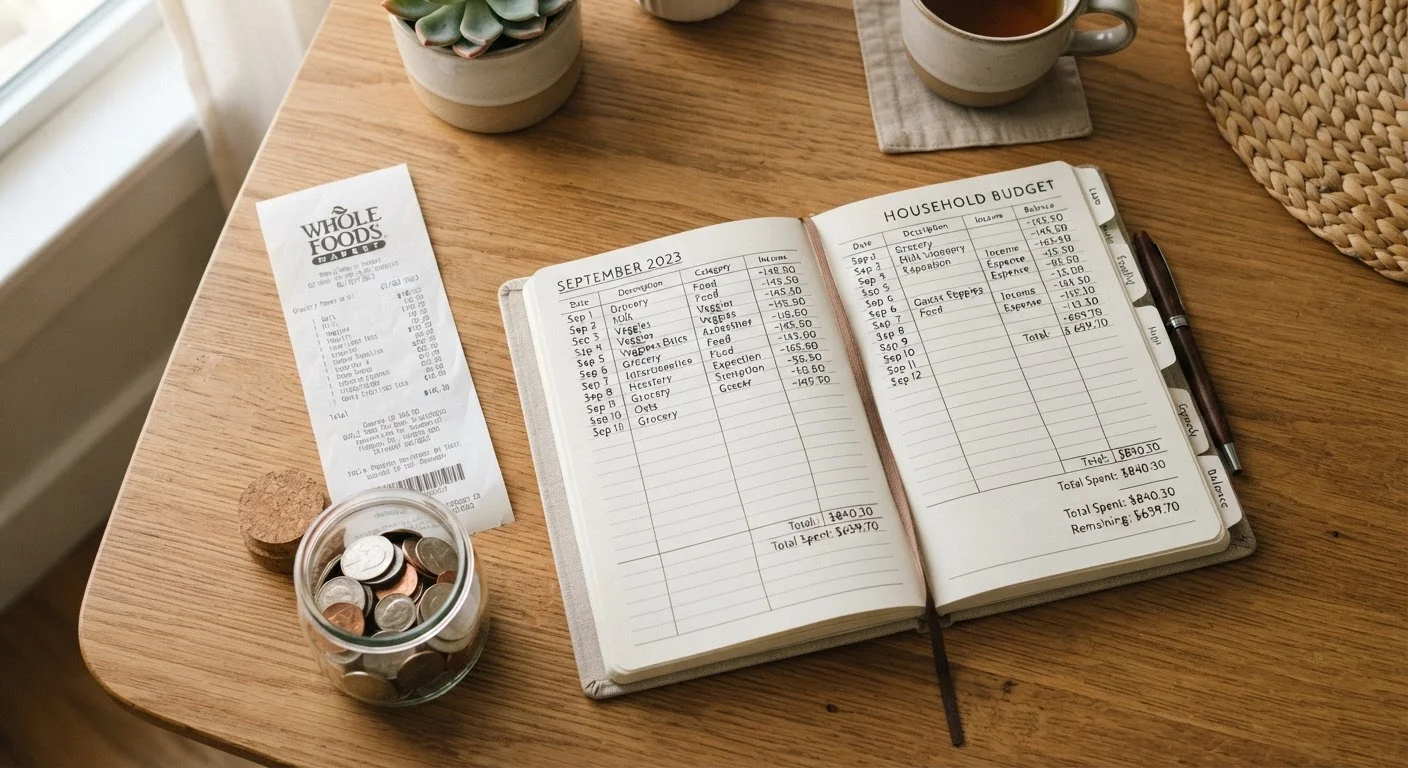
Most people significantly underestimate what they spend in variable categories like groceries, dining, and household supplies. Estimates feel accurate but rarely are. Reviewing real transaction data weekly closes the gap between what you think you're spending and what you're actually spending. Consistent budgeting habits depend on this kind of regular check-in.
Assign every purchase to a category and set soft limits before shopping.
Open-ended shopping trips — where there's no mental budget for any category — consistently produce overspending. Knowing in advance that you're allocating a specific amount to groceries, household items, or clothing creates a natural decision filter that works even without rigid rules.
Review recurring charges and subscriptions at least once per quarter.
Subscription creep — accumulating small monthly charges that individually seem minor — is a well-documented pattern in household budgets. Services get added, forgotten, and continue billing for months or years. Regular audits surface spending that no longer matches current use. See smarter everyday shopping fundamentals for more on understanding what you're actually paying for.
Build a small, dedicated buffer for irregular but predictable household expenses.
Car maintenance, seasonal home repairs, appliance replacement, and annual fees are foreseeable costs that still disrupt budgets when they arrive unplanned. Setting aside a fixed amount monthly — even a modest sum — smooths these expenses out and eliminates the need to raid other budget categories or carry high-interest debt.
Making It Stick: Quick Actions to Start Today
Knowing these principles is useful. Acting on them immediately is where the real difference happens. The following quick wins require no special tools — just a decision to start.
Write It Down Before You Buy
Spending intentions that exist only in your head are easy to override in the moment. Writing down your category limits — even as a note on your phone — makes them feel more concrete and harder to rationalize past. It takes 60 seconds and consistently reduces unplanned spending for most people who try it.
Applying the Principles Across Spending Categories
These principles scale across every area of household spending. In groceries, distinguishing cost from value means comparing unit prices rather than package sizes. In home goods, the "buy once, buy well" approach saves replacement costs over time. In clothing, the same logic applies — dressing well on a tight budget depends more on buying durable basics than chasing volume discounts.
The common thread is intentionality: knowing why you're buying something before you buy it. That single habit — pausing to identify whether a purchase is planned or reactive — prevents a significant share of household overspend. See how stretching your household budget can feel sustainable rather than restrictive when these principles are in place.
~$300
Average monthly household subscription spend
Research from various consumer finance surveys suggests many U.S. households spend well over $200–300 monthly on subscriptions, often more than they estimate.
20–30%
Grocery budget lost to food waste
The USDA estimates that American households waste roughly 20–30% of the food they purchase, much of which stems from unplanned buying.
For broader shopping decision-making, the Smart Shopping Tips hub covers how to evaluate everyday purchases with confidence. And if you're working on habits that hold across months and years, budgeting habits that hold up over time offers a practical complement to the principles here.
These Are Principles, Not Rules
No single framework works identically for every household. Income level, family size, geographic cost of living, and personal priorities all affect how these principles apply in practice. Treat them as reliable defaults — starting points to adapt to your own situation rather than rigid mandates. Financial decisions that affect your broader circumstances may benefit from guidance from a qualified financial professional.