Why Consumer Literacy Matters
Every purchase decision — whether it's a bottle of dish soap or a new appliance — involves tradeoffs. Yet most of us were never formally taught how to evaluate those tradeoffs. Consumer literacy is the practical ability to understand what you're buying, why you're buying it, and whether it genuinely serves your needs at a fair price.
Without this foundation, spending tends to be reactive: driven by habit, marketing, or moment-to-moment convenience rather than intention. The result isn't just a strained budget — it's a home full of things that underdeliver and a vague sense that money disappears without much to show for it.
This guide introduces the core concepts behind intentional everyday purchasing, giving you a practical framework to apply from your next grocery run through to larger household decisions.
Consumer literacy
The practical ability to understand product information, pricing structures, and marketing claims so you can make purchases that genuinely serve your needs.
Cost-per-use
A method of evaluating purchase value by dividing the total price by the expected number of times you'll use the item, revealing the true ongoing cost.
Price anchoring
A retail tactic where a high reference price is displayed alongside a lower sale price to make the discount appear larger or more valuable than it may actually be.
Unit price
The cost of a product broken down by a standard measure — such as per ounce or per count — allowing accurate comparison across different package sizes.
Impulse purchase
An unplanned buy triggered by emotion, display placement, or perceived urgency rather than a genuine, pre-existing need.
Third-party certification
An independent organization's verification that a product meets specific standards — such as organic content or safety criteria — providing more accountability than brand-made claims.
Understanding Price vs. Value
Price is what you pay at the register. Value is what you actually get out of the purchase over time. These two numbers rarely match, and the gap between them is where smart shopping lives.
A useful mental model is cost-per-use: divide the purchase price by the number of times you realistically expect to use the item. A $40 pan used four times a week for three years costs fractions of a cent per meal. A $12 pan that warps and gets replaced every six months costs far more by the same measure. Our guide on when to spend more on home essentials explores which categories reward that kind of investment thinking.
Value is also contextual. A premium product may be worth its price to someone using it daily and completely redundant for someone with the same need once a month. Before reaching for the higher-quality option, honestly assess frequency of use and how much the performance difference will matter in your specific situation.
Try the Cost-Per-Use Test Before You Buy
Before committing to a purchase, estimate how many times you'll realistically use the item in the next year. Divide the price by that number to get a per-use cost. If that number feels reasonable for what you're getting, it's likely a sound decision. If it feels high, consider whether a less expensive alternative would serve the same purpose.
How Retailers Use Pricing Tactics
Retail environments — physical and digital — are designed to encourage spending. Understanding a few common tactics makes them far easier to recognize and resist.
- Anchoring: A high "original" price displayed next to a sale price creates the impression of savings, even when the original price was inflated or rarely charged.
- Urgency cues: Countdown timers, low-stock warnings, and "limited time" language trigger a fear of missing out that short-circuits deliberate decision-making.
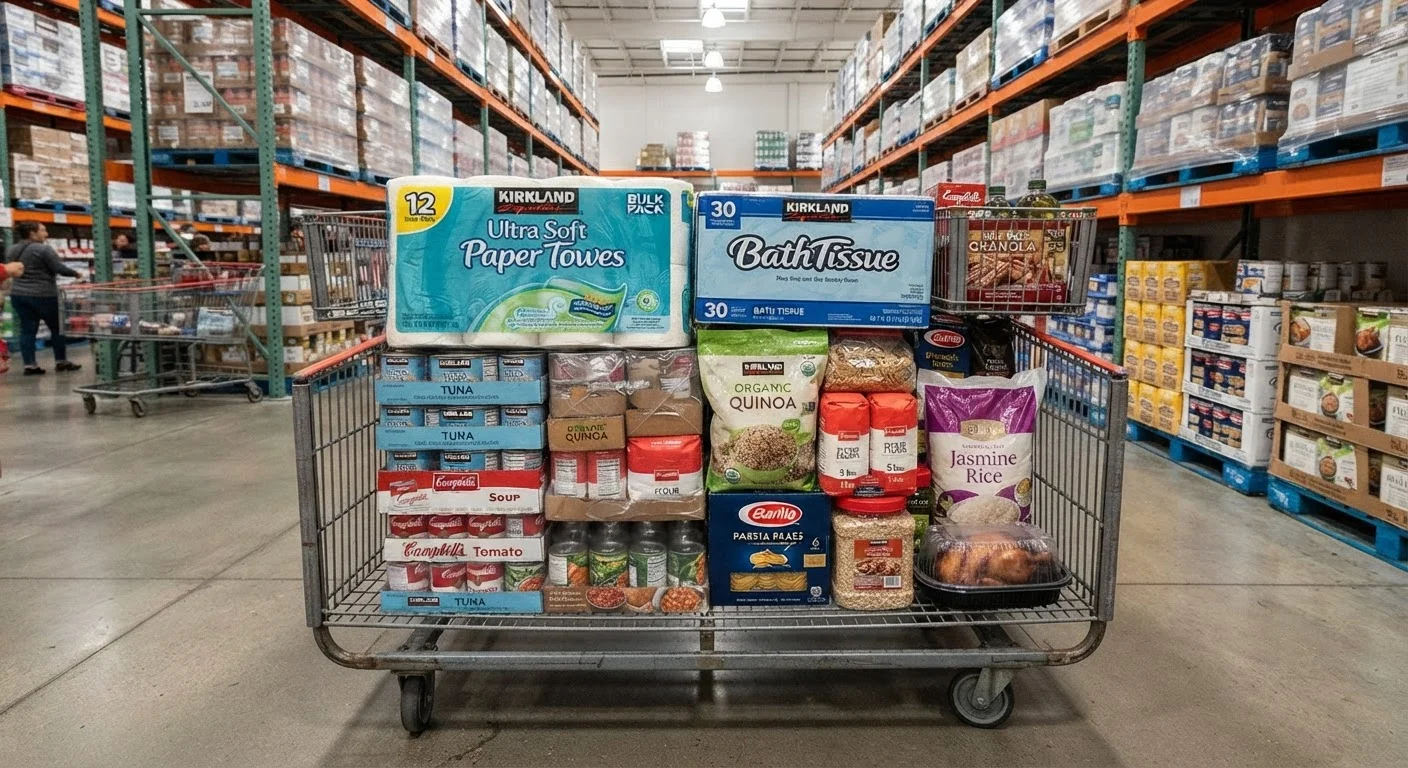
- Bundle pricing: Grouping items together can obscure individual item value. Sometimes bundles are genuine savings; often they include items you wouldn't buy separately.
- Decoy pricing: A middle-tier product is sometimes priced to make a higher-tier option look like obvious value by comparison, even if the top option is unnecessary for most buyers.
Awareness alone is a meaningful defense. When you feel pressured or excited by a price, that's the moment to slow down. The pre-purchase checklist is a practical tool for exactly these moments.
Urgency Is Often Manufactured
"Only 2 left in stock" and countdown timers are frequently automated features of retail platforms, not accurate reflections of genuine scarcity. Before acting on urgency cues, ask whether you would still want the item at full price tomorrow. If the answer is no, the urgency itself is the product being sold.
Reading Labels and Product Claims
Packaging is a marketing surface. Front-of-pack claims — "natural," "premium," "clinically tested," "eco-friendly" — are crafted to attract attention and create positive associations, but they vary enormously in what they actually guarantee.
Some claims are strictly regulated. In the U.S., "USDA Organic" on food carries specific legal requirements and third-party verification. Others, like "natural" on personal care products, have no standardized federal definition and can be applied loosely. When a label claim matters to your purchase decision, look past the front panel to the ingredients list, nutrition facts, or third-party certifications — those are harder to fudge.
Unit pricing, required on shelf tags in many U.S. states, is one of the most underused tools available to shoppers. It standardizes cost across different package sizes, making genuine price comparisons straightforward. Getting comfortable with unit prices takes a few shopping trips but becomes second nature quickly.
Building Habits That Stick
Consumer literacy isn't a one-time decision — it's a set of small habits practiced consistently. A few that reliably improve shopping outcomes:
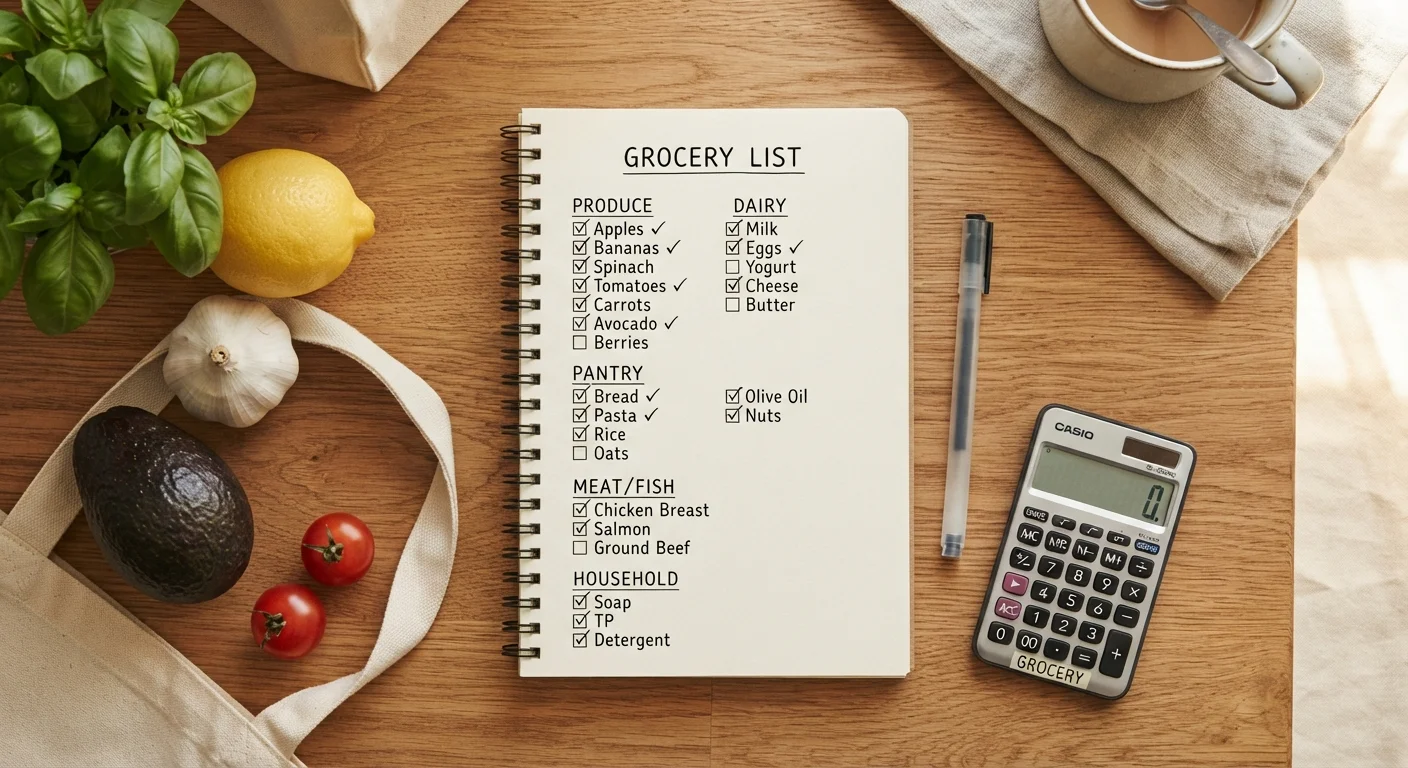
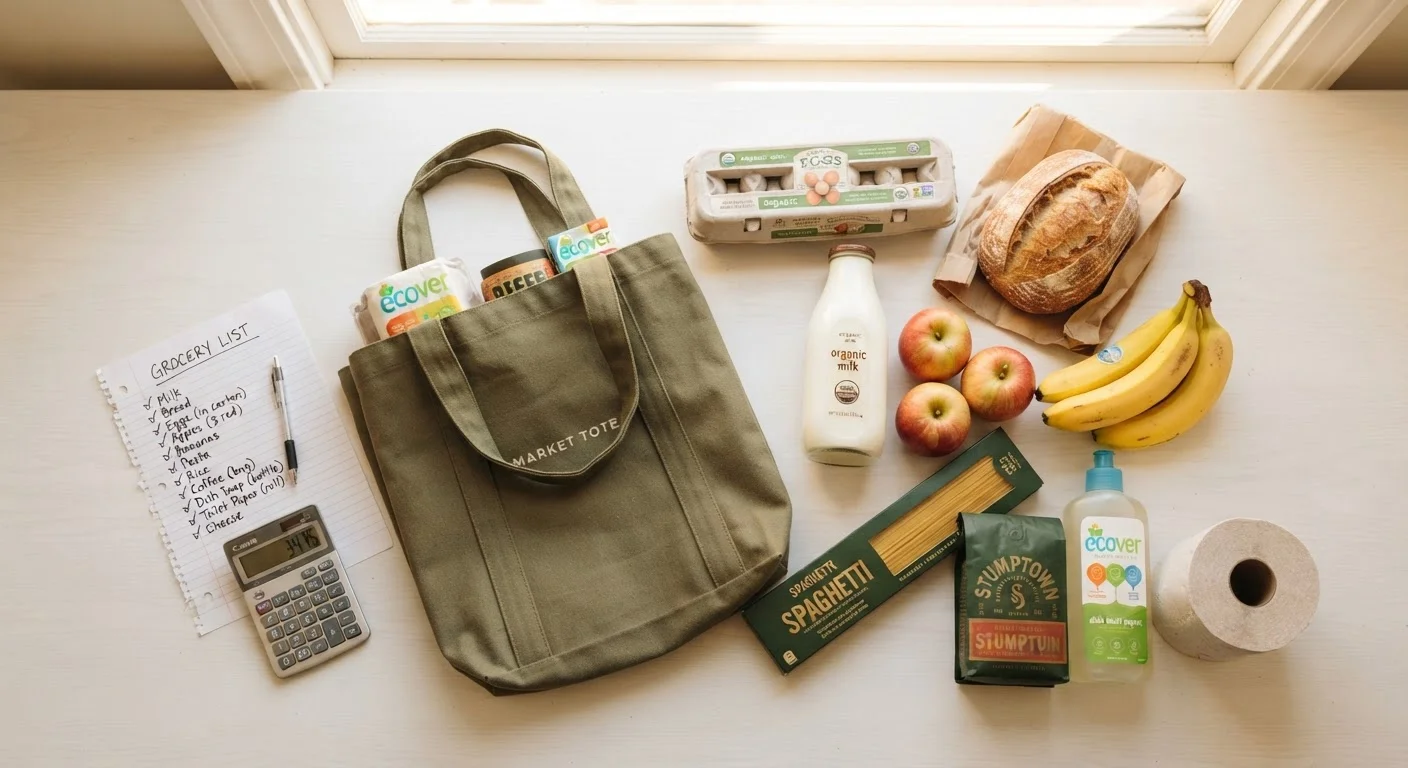
- Shop with a list. A structured list reduces in-store decision fatigue and gives impulse items a higher bar to clear. See how to build a list that keeps you on budget for a practical method.
- Apply a waiting period. For non-essential purchases above a personal threshold — say, $30 — wait 24 hours before completing the transaction. Most urgency evaporates.
- Track recurring purchases. Noticing how often you replace something is data. If a product category keeps cycling through your cart, it may be worth evaluating whether a different approach — or a higher-quality option — would reduce that frequency.
- Separate needs from wants. Not as a moral exercise, but as a practical filter. Needs have a specific job to do; wants are driven by preference or emotion. Both are valid, but knowing which is which helps you allocate your budget intentionally.
For a broader view of the principles behind lasting budget discipline, the core household spending principles article covers the habits that consistently move the needle over time.