What Intentional Shopping Actually Means
Intentional shopping is not about spending less on everything or following a rigid system. It's about applying conscious thought to purchasing decisions that would otherwise happen automatically. Most people don't decide to overspend — they simply never pause to decide at all.
At its core, intentional shopping means understanding why you're buying something before you buy it. That includes recognizing the difference between a genuine need and a momentary want, understanding what quality actually looks like in a given product category, and having a sense of whether the timing of a purchase makes practical sense.
Intentional shopping
A purchasing approach where you apply deliberate thought to what you buy, why you buy it, and when — rather than acting on habit or impulse.
Value
The usefulness or quality you get from a product relative to what you paid for it. High value doesn't always mean low price.
Unit cost
The price per single unit of measurement (per ounce, per sheet, per use), which lets you compare products of different sizes fairly.
Purchase trigger
An emotional or environmental cue — like stress, hunger, or a promotional display — that prompts buying behavior without conscious deliberation.
Pre-shopping audit
A quick review of what you already own before making a shopping list, used to prevent duplicate purchases and unnecessary spending.
This approach is relevant across all household categories — from everyday consumables like cleaning supplies and pantry staples to infrequent larger purchases like appliances or furniture. The principles scale.
Why Default Habits Work Against You
Most household purchasing runs on autopilot. You buy the same brand because you always have. You restock something without checking whether you already have it. You grab an item on display because it feels like a good deal in the moment.
These patterns aren't moral failures — they're how habits work. But they accumulate. Duplicate products pile up. Items bought for a one-time project sit unused. Lightly researched purchases disappoint and eventually get replaced.
Understanding how spending habits form — and how they can be reshaped — is foundational to changing them. Our guide on how household spending habits form and how to reshape them explains the psychology in plain terms. The short version: awareness of your own patterns is what makes intentional change possible.
Perceived Savings Can Still Be Waste
Buying something at a reduced price doesn't make it a good purchase if you didn't need it in the first place. A bargain on an item you'll never use — or already own — still costs money. Evaluate the need first, the price second.
The Three Questions Every Purchase Deserves
A simple evaluation framework — applied consistently — catches most unnecessary purchases before they happen. Before adding anything to your cart or basket, ask:
- Do I actually need this, or do I already have something that works? This eliminates duplicates and underused alternatives sitting at home.
- Does the quality match what I need it for? Overpaying for durability you don't need is waste. So is underpaying for something that will fail quickly in heavy use.
- Is now the right time to buy this? Some purchases make sense to defer — either because the need isn't immediate, or because waiting allows for more deliberate research.
These questions take seconds. Their value is in making a pause automatic, which is the exact opposite of what retail environments are designed to encourage. For a more detailed evaluation approach, see our practical framework for evaluating any household purchase.
Write the List Before You Browse
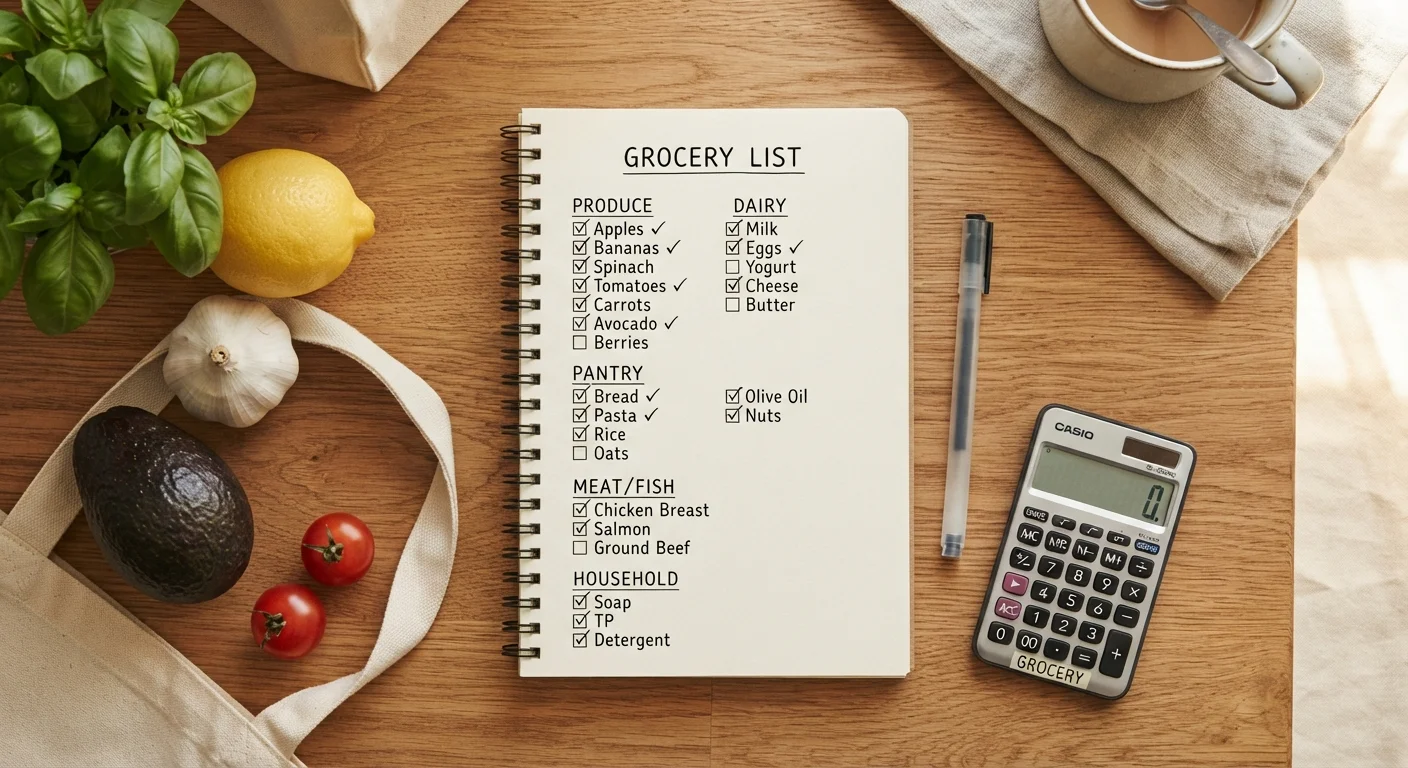
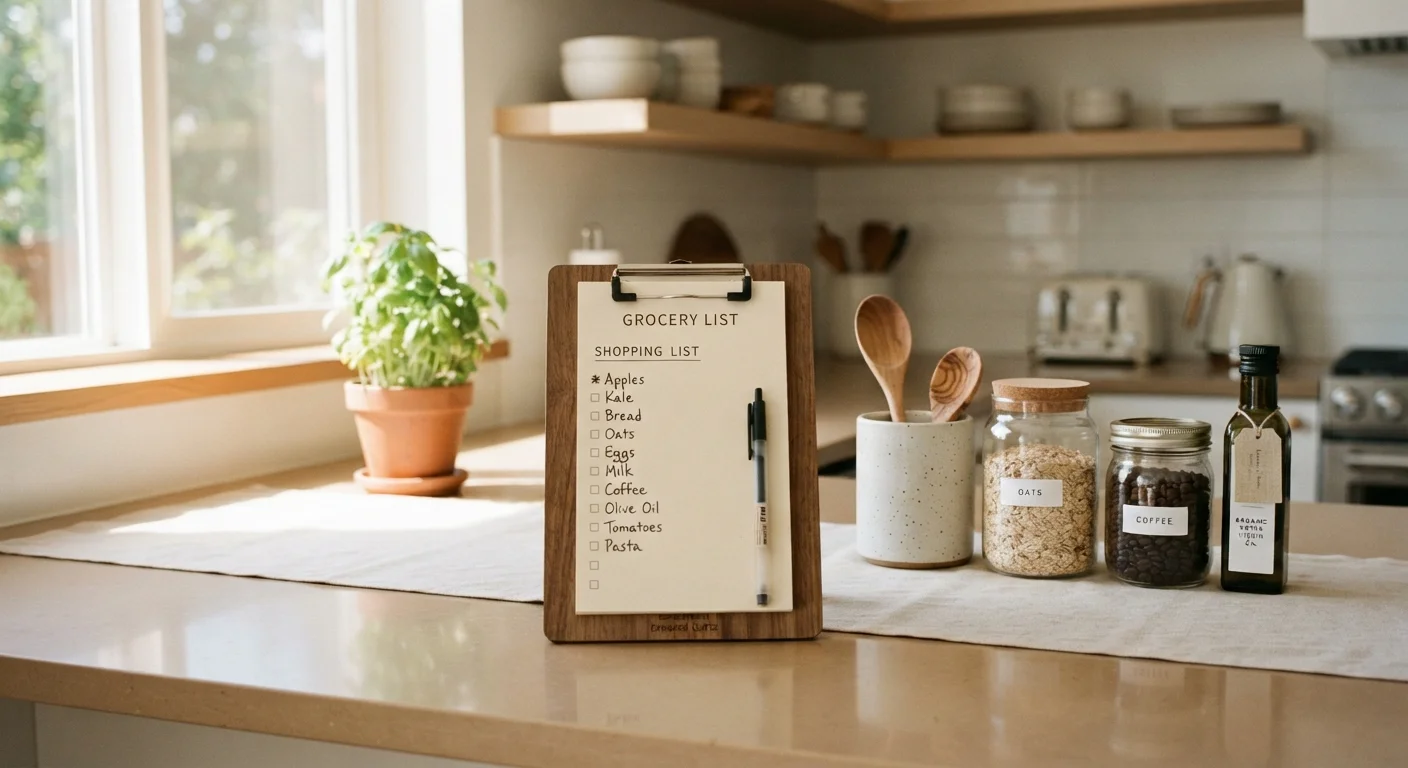
Whether shopping in-store or online, having a written list made before you start browsing is one of the most reliable ways to stay on track. It shifts your mental mode from 'what looks good?' to 'do I have this yet?' — a subtle but powerful difference. Keep a running household list somewhere accessible, like a notes app, so it's always ready to consult.
Building a Repeatable Shopping Routine
Individual good decisions matter less than a system that makes good decisions the default. A repeatable shopping routine removes friction from intentional behavior so it doesn't require willpower every time.
A basic routine looks like this: before any shopping trip or online order, do a quick check of what you already have. Write a list based on what's actually depleted or needed. Separate confirmed needs from items you're considering — and give the latter category at least a brief delay before purchasing.
This pre-shopping habit is detailed in our pre-shopping home audit guide, which walks through a practical checklist. Even a five-minute walkthrough before a grocery or supply run can prevent a meaningful amount of waste over a year.
Pairing this with a basic household budget — even an informal one — reinforces the habit. Tracking where your money goes is the first step in knowing where it should go instead. Our budgeting basics hub offers straightforward strategies for doing exactly that.
Where to Go From Here
Intentional shopping is a skill that develops through practice, not a switch you flip once. The most useful next step depends on where your biggest friction is right now.
If you tend to buy things without thinking, start by examining your triggers. Our guide on impulse buying versus intentional spending covers how to recognize and interrupt those patterns. If you're newer to consumer basics overall — reading labels, understanding pricing tactics — Smarter Everyday Shopping provides a strong foundation.
Whatever your starting point, the goal is the same: make purchasing decisions that you'll still feel good about a week later. That's the whole idea.