Where Spending Habits Come From
Most household spending isn't the result of careful deliberation. It's the product of habit — automatic sequences the brain runs to avoid having to make the same decision repeatedly. You stock a particular item because you always have. You stop at the same store because it's on the route home. These patterns feel like preferences, but they're often just repetition mistaken for choice.
Habits form through a simple feedback loop: a cue triggers a routine, which produces a reward. For spending, the cue might be a notification from a retail app, the feeling of a long workday ending, or simply walking down a specific aisle. The routine is the purchase. The reward is whatever the purchase provides — convenience, comfort, a brief lift in mood. Once this loop runs enough times, the brain encodes it as a default behavior.
Environment plays a larger role than most people expect. Store layouts, default settings on shopping apps, and even household routines are all designed — or have naturally evolved — to prompt spending. Even your payment method shapes what you spend, with research suggesting that abstract payment forms like cards can reduce the psychological weight of a purchase compared to handing over cash.
Habits Aren't the Same as Preferences
It's worth distinguishing between something you genuinely value and something you simply do automatically. A habit that feels like a preference can be surprisingly easy to drop once you've examined it — while a true preference is worth budgeting for consciously. The difference matters when you're deciding what to change and what to keep.
The Patterns You Don't Notice
Many household spending habits escape attention precisely because they feel normal. Subscription services renew quietly. Small purchases get mentally rounded down to near-zero. Irregular expenses — annual fees, seasonal needs — don't feel like part of the budget because they don't appear every month. Together, these add up significantly. Hidden spending patterns like these quietly derail even well-intentioned budgets.
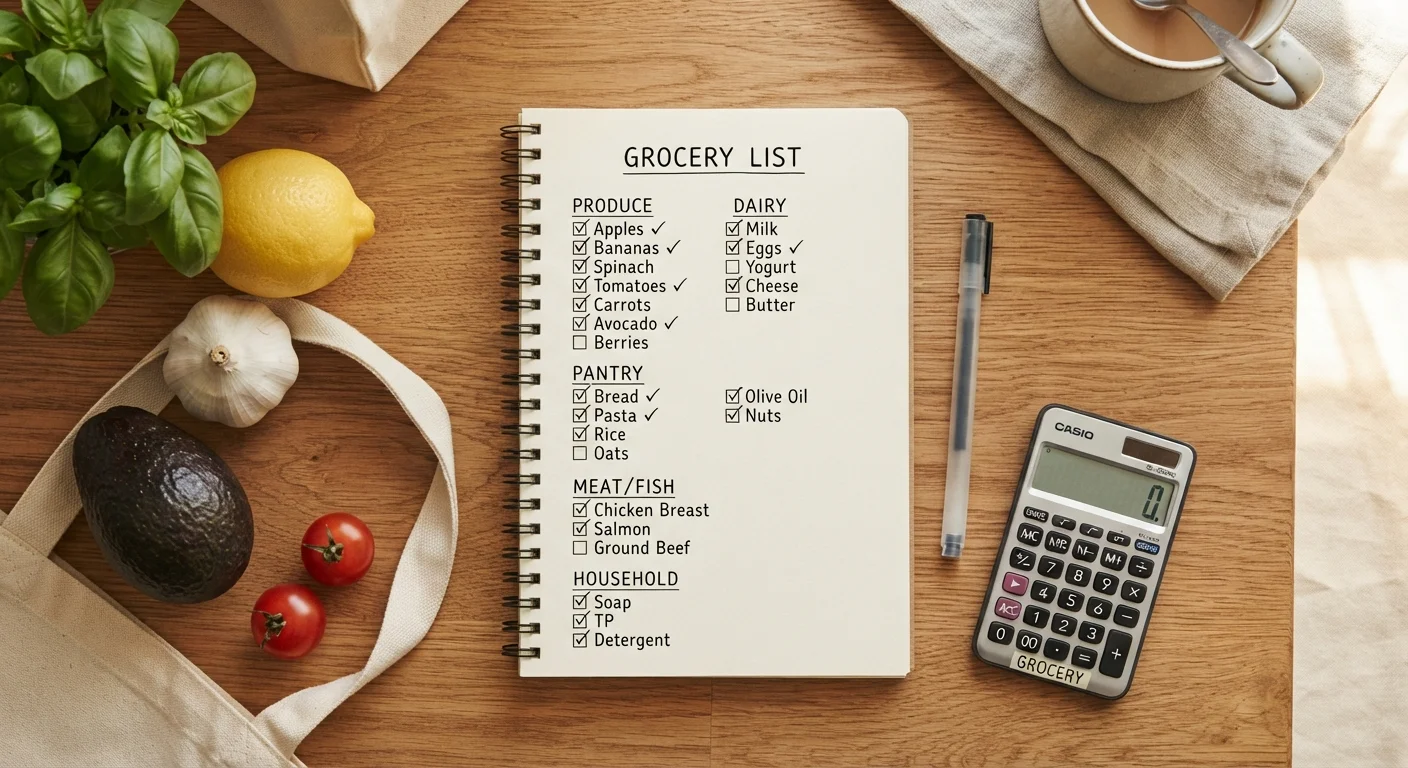
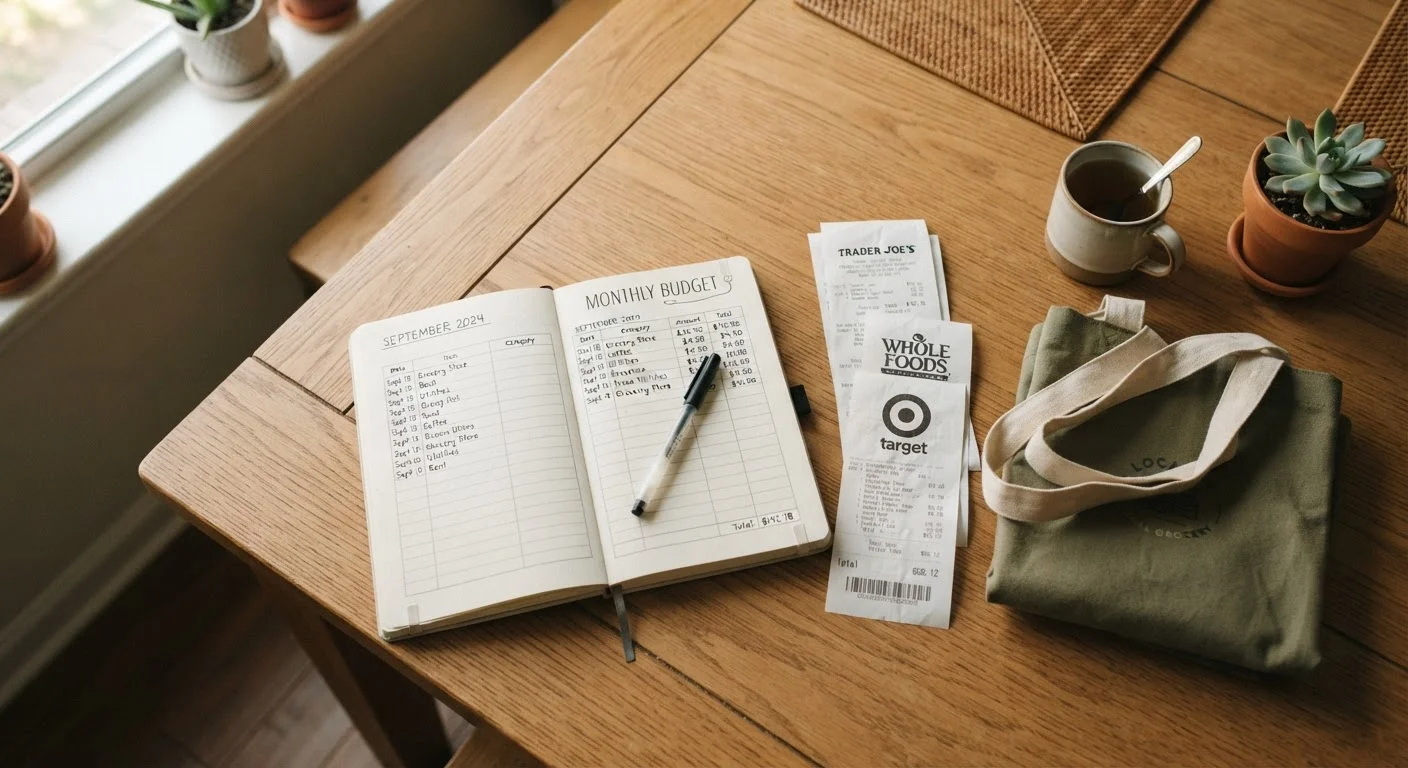
A key reason these patterns persist is that they're never reviewed. Without a record, it's easy to underestimate how consistent (and costly) they've become. Tracking spending by category — even roughly — makes the invisible visible. That act of recognition is the foundation of any meaningful change.
~40%
Of daily actions driven by habit, not decision
Research published in the journal Personality and Social Psychology Bulletin estimated that roughly 40% of daily behaviors are habitual rather than consciously chosen.
66 days
Median time to form a new habit
A study by researchers at University College London found that the average time for a new behavior to become automatic was 66 days, though the range varied widely by person and complexity.
How to Reshape a Spending Habit
Changing a spending habit requires more than motivation. It requires identifying the specific loop driving the behavior, then deliberately modifying one part of it. Trying to suppress a routine through willpower alone rarely works for long; replacing the routine with something that delivers a similar reward is far more durable.
Structural changes to your environment are often more effective than rule-setting. Unsubscribing from promotional emails, removing saved payment details from retail sites, or creating a short waiting period before completing a non-essential purchase all reduce the automatic nature of the trigger-to-purchase chain. Understanding the difference between impulse buying and intentional spending starts with recognizing which of your purchases follow emotional patterns rather than genuine need.
Replacing habits works better than eliminating them. If the cue is end-of-day stress and the reward is the mood lift from browsing, finding another way to meet that reward — a walk, a phone call, a non-commercial activity — addresses the loop rather than just blocking it.
Design Your Environment Before You Need Willpower
The most reliable spending changes happen before a tempting moment arrives — not during it. Audit your phone for retail apps you open out of habit, review saved payment methods on shopping sites, and set up a simple list-before-purchase rule for non-essential items. These friction points work passively, so you don't have to rely on in-the-moment discipline.
For households looking to extend these ideas further, stretching your household budget without feeling deprived offers realistic strategies that work within changed habits rather than against them. And for a broader framework, core principles that guide smart household spending are worth understanding as a foundation.
This article is for general informational purposes only and does not constitute financial advice. For guidance tailored to your personal situation, consult a qualified financial professional.