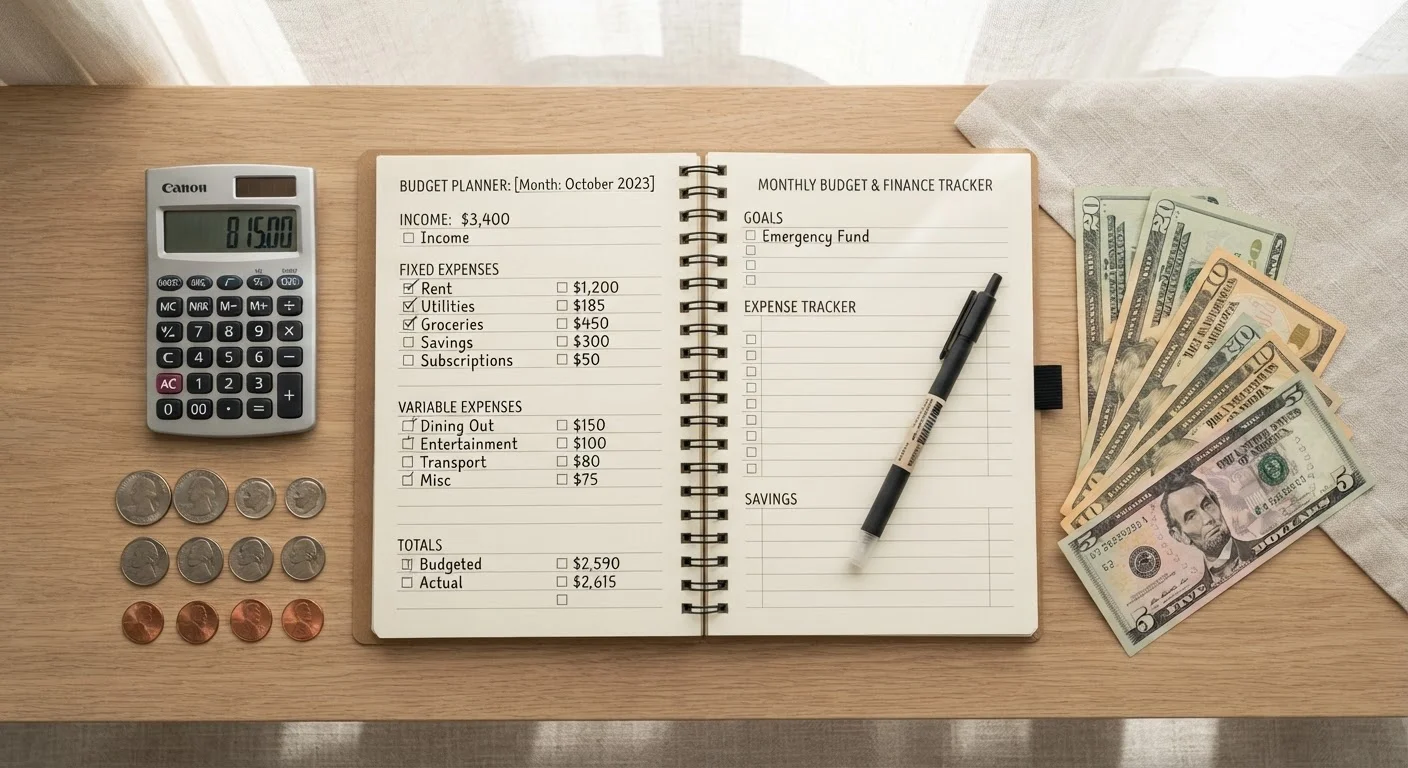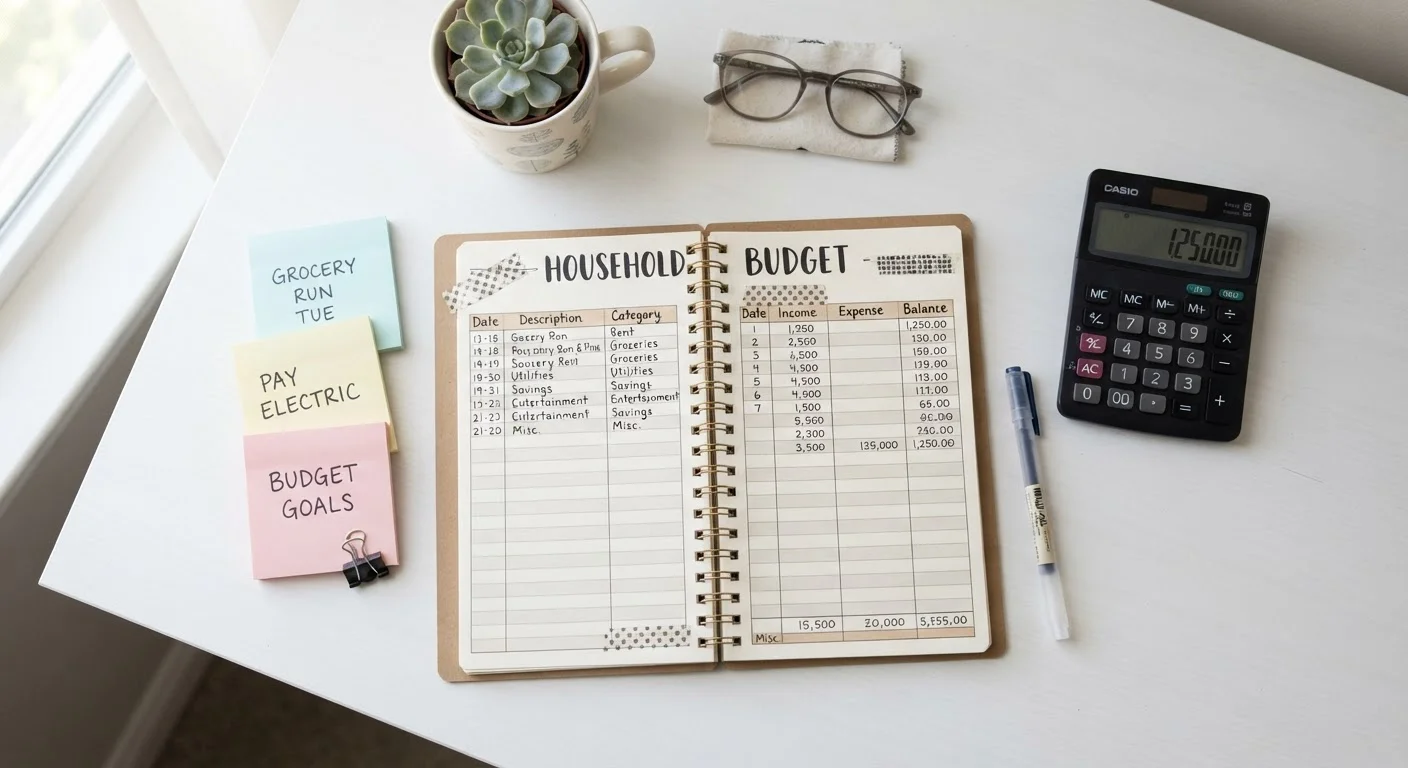

Why Most Budgets Quietly Stop Working
Creating a budget is the easy part. The harder challenge is keeping it alive and useful for months or years. Most budgets fail not because they were poorly designed, but because they were never revisited. Spending patterns shift, income changes, and new recurring charges appear—and a budget left untouched quickly stops reflecting real life.
The gap between a budget on paper and actual spending behavior usually grows slowly. A forgotten subscription here, a habit of underestimating groceries there—these small gaps compound until the entire framework feels useless. The solution isn't a more complicated budget. It's a set of consistent habits that keep the plan calibrated and the person engaged. See how detailed budgets compare to flexible ones if you're weighing different structures.
Core Habits That Sustain a Budget
The practices below are not one-time setup tasks. They are recurring behaviors that experienced budgeters return to consistently—weekly, monthly, and whenever life changes significantly.
Schedule a brief weekly spending check-in without skipping it.
Catching overspending within days of it happening allows for easy correction—cutting back elsewhere before the month ends. Waiting until month-end means the damage is already done and harder to reverse.
Conduct a full category review every month.
Monthly reviews reveal whether your budget categories still reflect how you actually spend. Regularly reallocating amounts across categories keeps the budget honest and prevents chronic overspending in areas that were underestimated at setup.
Audit all recurring charges at least once per quarter.
Subscriptions, memberships, and auto-renewals accumulate silently. Each one individually may feel minor, but collectively they can absorb a significant portion of discretionary spending without providing ongoing value.
Adjust your budget intentionally whenever income or major expenses change.
A budget built on last year's income or expenses will develop mismatches that encourage workarounds instead of honest tracking. Formal updates keep the plan credible and workable.
Build in a small buffer category for irregular and unexpected expenses.
Budgets that account only for predictable expenses break down when irregular costs—car repairs, medical copays, home maintenance—appear. A buffer prevents these events from forcing budget abandonment.
Use an accountability structure, whether a partner, app, or self-review log.
Research consistently shows that people who track their behavior and report it to someone—or even to themselves in writing—maintain habits longer than those who rely on memory and intention alone.
For a structured way to apply several of these habits at once, the monthly budget review checklist walks through a complete audit process step by step.
Quick Actions You Can Take This Week
You don't need to overhaul your entire financial system to start strengthening your budget. A few targeted actions done now can build momentum that carries forward.
Recurring charges deserve special attention. Auto-renewals and subscription services are among the most common sources of budget drift—learn more about how auto-renewals quietly change your spending before your next audit.
Making the Habit Stick Long-Term
“A budget is telling your money where to go instead of wondering where it went.”
— Dave Ramsey, Personal finance author and radio host
Consistency in budgeting is less about willpower and more about structure. When reviews are scheduled—not spontaneous—they're far more likely to happen. Pairing budget check-ins with an existing routine, like reviewing spending every Sunday evening or on the first of each month, removes the friction of deciding when to do it.
Automation is another pillar of long-term success. Scheduling savings transfers to occur right after payday means saving happens before discretionary spending competes for that money. For a practical guide to setting this up without creating overdraft risk, see automating your savings without losing track of your budget.
Finally, recognize that a budget is a living document. Salary increases, new financial goals, family changes—all of these warrant a deliberate reset, not just a mental note. Readers building longer-term financial discipline may also find value in the broader guidance available in the Saving & Debt hub.
Budgets Need Updating, Not Just Monitoring
A common mistake is reviewing a budget without ever changing it. If your income, family size, or major expenses have shifted in the past year, your budget categories and amounts likely need a formal update—not just a mental adjustment. Treating your budget as a living plan rather than a fixed document makes it far more durable. For complementary guidance on household spending discipline, see principles that consistently guide smart household spending.
This article is for general informational and educational purposes only and does not constitute personalized financial advice. Consult a qualified financial professional for guidance tailored to your individual circumstances.