
Why Insurers Require Prior Authorization
At its core, prior authorization is a cost and utilization management tool. Insurers use it to verify that a requested service is medically necessary and consistent with their coverage guidelines before committing to pay. From the insurer's perspective, it helps prevent payment for procedures that are experimental, duplicative, or that have lower-cost alternatives under the same plan.
Common services that frequently trigger prior authorization requirements include:
- Brand-name or specialty prescription drugs
- MRI, CT scans, and other advanced imaging
- Elective or scheduled surgeries
- Certain mental health and substance use treatments
- Durable medical equipment (wheelchairs, CPAP machines)
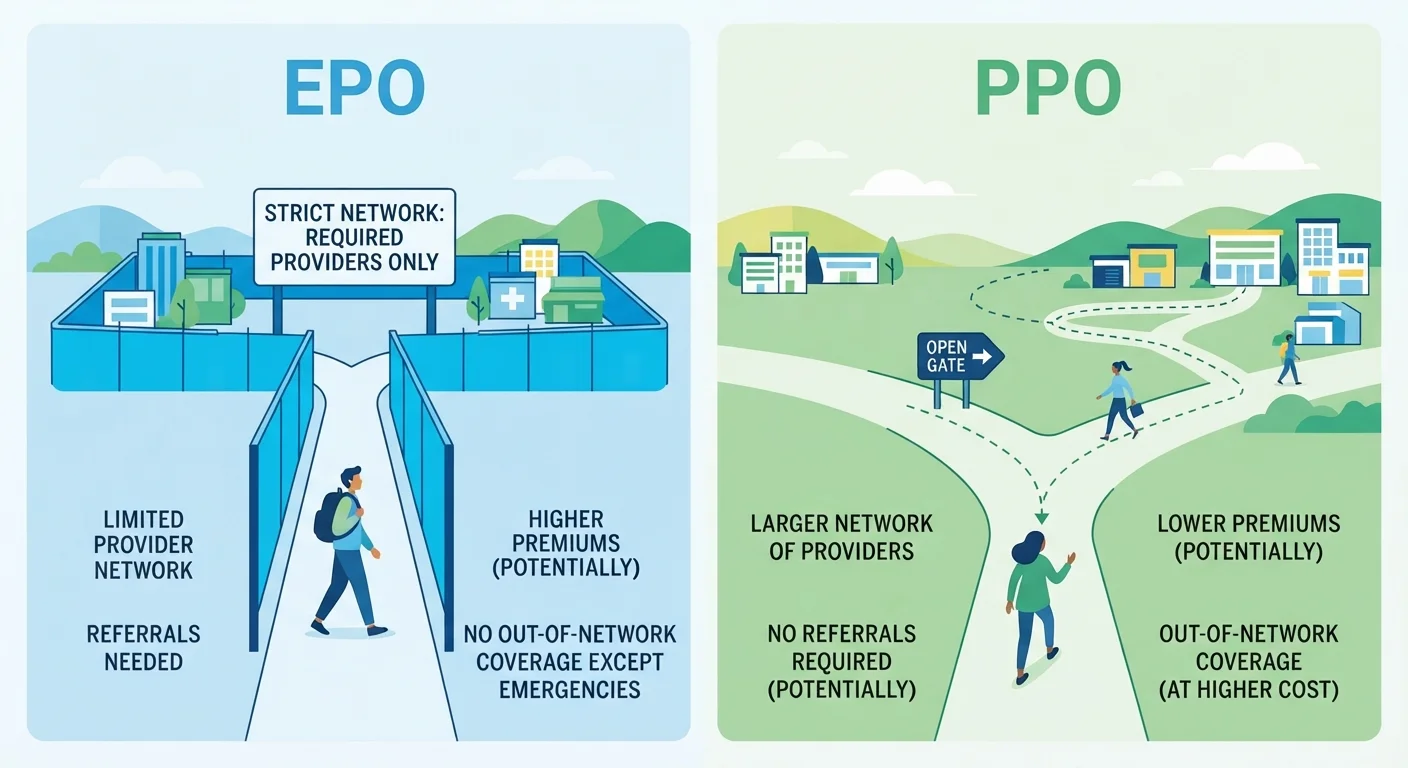
- Out-of-network specialist visits on some plan types
The list of what requires pre-approval varies significantly from one insurer to another and from one plan year to the next. Your plan's Summary of Benefits and Coverage document is the most reliable place to check.
Prior Auth Requirements Can Change Year to Year
Insurers update their prior authorization lists when plan years renew — sometimes adding new requirements for services that previously didn't need them. A drug or procedure that was approved without pre-authorization last year may require it this year. Review your plan documents at each renewal period to catch any changes before they affect your care.
How the Process Actually Works
When your doctor determines you need a service that requires pre-approval, the process generally unfolds like this:
- Your doctor submits a request to your insurer, including clinical notes and a justification for why the service is medically necessary.
- The insurer reviews the request against its coverage criteria, sometimes using third-party review organizations.
- A decision is issued — approval, denial, or a request for more information — within the timeframe your plan and state law require.
- You and your doctor are notified of the outcome in writing.
This sounds orderly, but delays are common. Requests can sit in queues, get lost in fax workflows, or require follow-up documentation that slows the clock. If you have a scheduled procedure coming up, proactively check with your provider's office that the authorization request has been submitted and is in process. For more on the claim-time surprises this can create, see common health insurance claim surprises.
35M+
Prior auth requests submitted annually in Medicare Advantage
According to a report by the HHS Office of Inspector General, Medicare Advantage plans collectively process tens of millions of prior authorization requests each year, with a meaningful share ultimately overturned on appeal.
~75%
Share of appealed denials that are overturned
Industry analyses and patient advocacy research consistently find that a substantial majority of internally appealed prior authorization denials are reversed — underscoring the value of filing an appeal rather than accepting a denial.
When the Answer Is No: Your Options After a Denial
Receiving a denial can feel like a dead end. It isn't. A denial letter is the beginning of a formal dispute process, not the final word on your care.
Step 1: Understand the Reason
Your denial letter must state the specific reason for the decision and the criteria used. Common reasons include: the service isn't covered under your plan, it was deemed not medically necessary, or a lower-cost alternative hasn't been tried first (called a "step therapy" or "fail-first" requirement).
Step 2: File an Internal Appeal
You have the right to appeal through your insurer's internal process. Your doctor can strengthen the appeal by submitting additional clinical evidence, peer-reviewed literature, or a letter of medical necessity. Many denials are reversed at this stage. The denial letter must tell you the deadline for filing — don't miss it.
Step 3: Request External Review
If your internal appeal is denied, federal law generally gives you the right to an independent external review by an organization not affiliated with your insurer. This reviewer's decision is typically binding on the insurer. This is a meaningful protection that many patients don't know they have.
For a broader look at why claims get rejected and how the appeals process works, see reasons a health insurance claim gets rejected.
Ask for an Expedited Review When Timing Matters
If waiting for a standard review would seriously jeopardize your health, you can request an expedited (urgent) prior authorization review. Federal rules generally require insurers to decide expedited requests within 72 hours. Your doctor should indicate the medical urgency in writing when submitting the request.
Protecting Yourself Before the Problem Starts
The most effective strategy is prevention. Before any scheduled non-emergency service, take these steps:
- Call your insurer directly to confirm whether prior authorization is required for the specific procedure code your doctor plans to use.
- Get the authorization number in writing once approval is granted, and keep a copy with your medical records.
- Confirm the approval covers the exact provider and facility — authorization for a procedure doesn't always extend to every location where it might be performed.
- Document every call: date, time, representative's name, and what was said.
Delays in authorization are one of the most frequently cited reasons people postpone or skip necessary care altogether. That pattern has real downstream health consequences — a dynamic explored in depth in why preventive screenings get skipped and what that costs over time.
This article is for general informational purposes only and does not constitute personalized insurance, financial, or legal advice. Coverage requirements, timelines, and appeal rights vary by plan and state. Always consult your plan documents and a licensed insurance professional for guidance specific to your situation.