Why Most Workers Don't Think About Disability Coverage
Ask most people what they'd do if they couldn't work for six months — or two years — and you'll usually get a shrug. It's the scenario nobody plans for, which is exactly why disability insurance is one of the most overlooked forms of financial protection in the country.
People tend to insure their cars, their homes, and their health. But the income that funds all of it? That often goes unprotected. The Social Security Administration has estimated that roughly one in four workers will experience a disability lasting 90 days or longer before reaching retirement age. Yet many workers either have no disability coverage or carry far less than they'd need to stay financially afloat.
This isn't about doom and gloom — it's about understanding a gap that quietly affects millions of households. As part of the broader picture of common coverage gaps, disability insurance stands out because the risk is real and the consequences of going uninsured can be severe.
1 in 4
Workers who become disabled before retirement
The Social Security Administration has estimated that about one in four of today's 20-year-olds will experience a disability lasting 90 days or more before reaching retirement age.
60–70%
Typical income replacement from disability policies
Most disability insurance policies are designed to replace approximately 60–70% of pre-disability gross income, based on standard industry policy structures.
5 months
Average duration of a short-term disability claim
According to data from the Council for Disability Awareness, the average short-term disability claim lasts roughly 5 months — longer than many workers expect.
Short-Term vs. Long-Term Disability: What's the Difference?
Disability insurance comes in two main forms, and understanding how they differ helps you figure out whether you have the right protection — or any protection at all.
Short-term disability insurance typically kicks in after a brief waiting period — often a week or two — and pays benefits for a limited time, usually 3 to 6 months. It's designed to cover temporary conditions: a broken leg, a difficult pregnancy recovery, or a short hospitalization.
Long-term disability insurance takes over where short-term coverage ends. After a longer elimination period (often 90 days), it can pay benefits for several years or all the way to retirement age, depending on the policy. This is the coverage that protects you if a serious illness, back injury, or chronic condition keeps you out of work for an extended period.
Many employers offer one or both through group plans — but group coverage often has limitations. Benefit amounts may be lower than expected, and coverage typically ends if you leave your job. Individual policies offer more portability and customization, though they come at a higher premium.
Check What Your Employer Actually Provides
Before assuming you have adequate coverage, request a summary of your employer's disability benefits. Look specifically at the benefit amount (as a percentage of salary), the elimination period, and whether the policy is portable if you leave the company. Many workers are surprised by how limited their group plan turns out to be.
The Details That Actually Determine Your Benefits
Not all disability policies work the same way. Three key terms shape how useful your coverage actually is:
- Elimination period: The waiting period between when you become disabled and when benefits start. A 90-day elimination period means you need to cover three months of expenses on your own before the policy pays anything.
- Benefit period: How long the policy will pay. A two-year benefit period vs. a policy that pays to age 65 represents a massive difference in protection.
- Definition of disability: This is the most critical clause. Policies using an own-occupation definition pay if you can't do your specific job. Policies using an any-occupation definition may deny claims if you could work in any role at all — even one unrelated to your training or profession.
Reading these terms carefully — or working with a licensed insurance professional who can explain them — can make the difference between a policy that actually protects you and one that falls short when you need it most. This is general information; individual policy terms, costs, and eligibility vary significantly by insurer and state.
How Disability Coverage Fits Into Your Broader Financial Picture
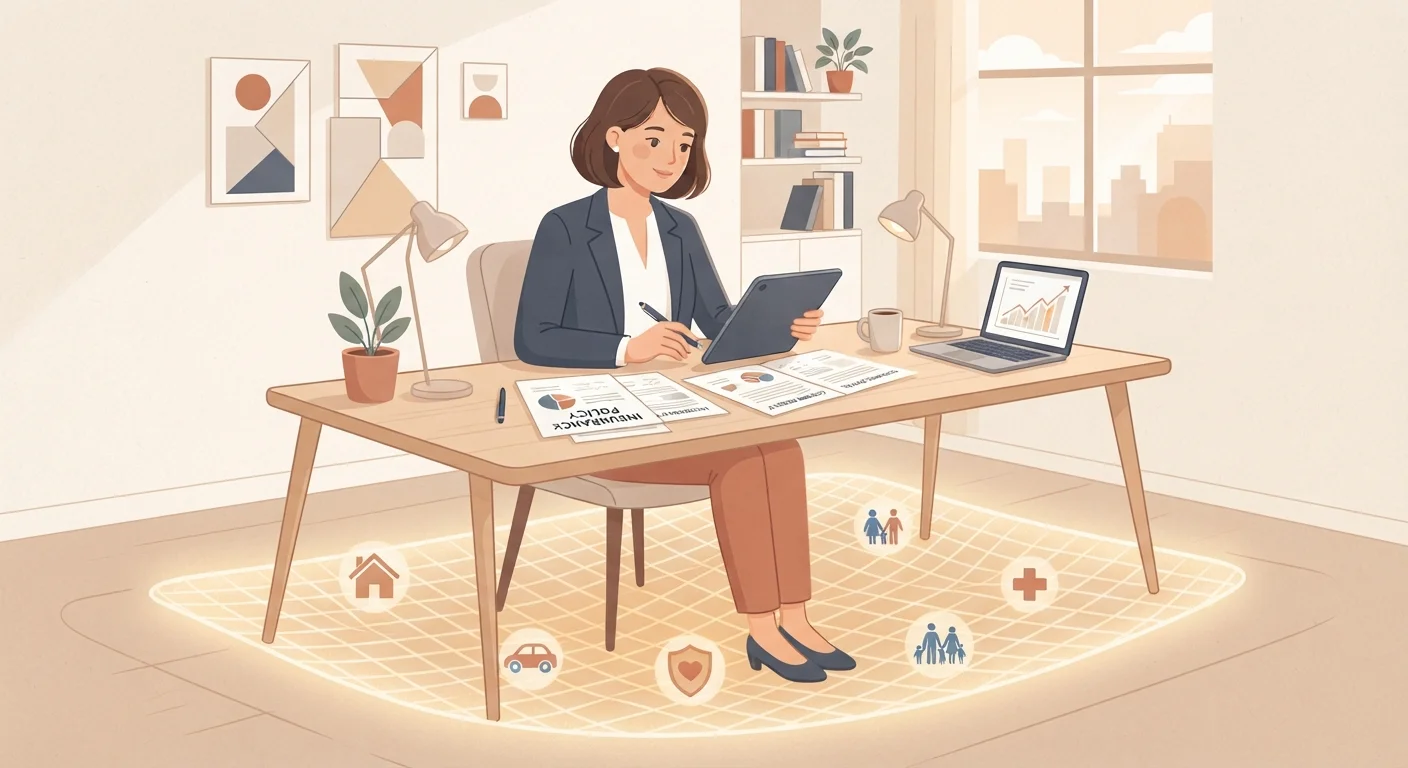
Disability insurance doesn't exist in isolation. It sits alongside health insurance, life insurance, and other protections as part of a complete financial safety net. If you're exploring your health insurance options, it's worth asking separately about disability coverage — the two serve very different purposes and one doesn't substitute for the other.
Similarly, if you've thought carefully about life insurance myths and concluded that coverage matters, disability deserves the same honest examination. The risk of becoming disabled during your working years is statistically higher than the risk of dying during those same years — yet life insurance is purchased far more often.
The bottom line: if your household depends on your income, protecting that income from disruption is a foundational financial consideration — not a luxury add-on.
This article is for general informational purposes only and does not constitute personalized insurance, financial, or legal advice. Coverage terms, eligibility, and costs vary by policy and provider. Consult a licensed insurance professional to evaluate your specific situation.