
Why Preparation Matters Before You Invest
Opening a brokerage account is genuinely exciting — it marks the point where earning and saving expand into building wealth. But the account itself is just the tool. What you bring to it matters far more than where you open it.
This checklist is designed to help you confirm that the financial and informational foundations are in place before your first dollar hits the market. If you haven't yet explored the basics of how markets and accounts work, start with our beginner's guide to investing fundamentals before working through these steps.
Think of this as an audit of your readiness — not a barrier, but a confidence-builder. Each item you check off means one fewer surprise down the road.
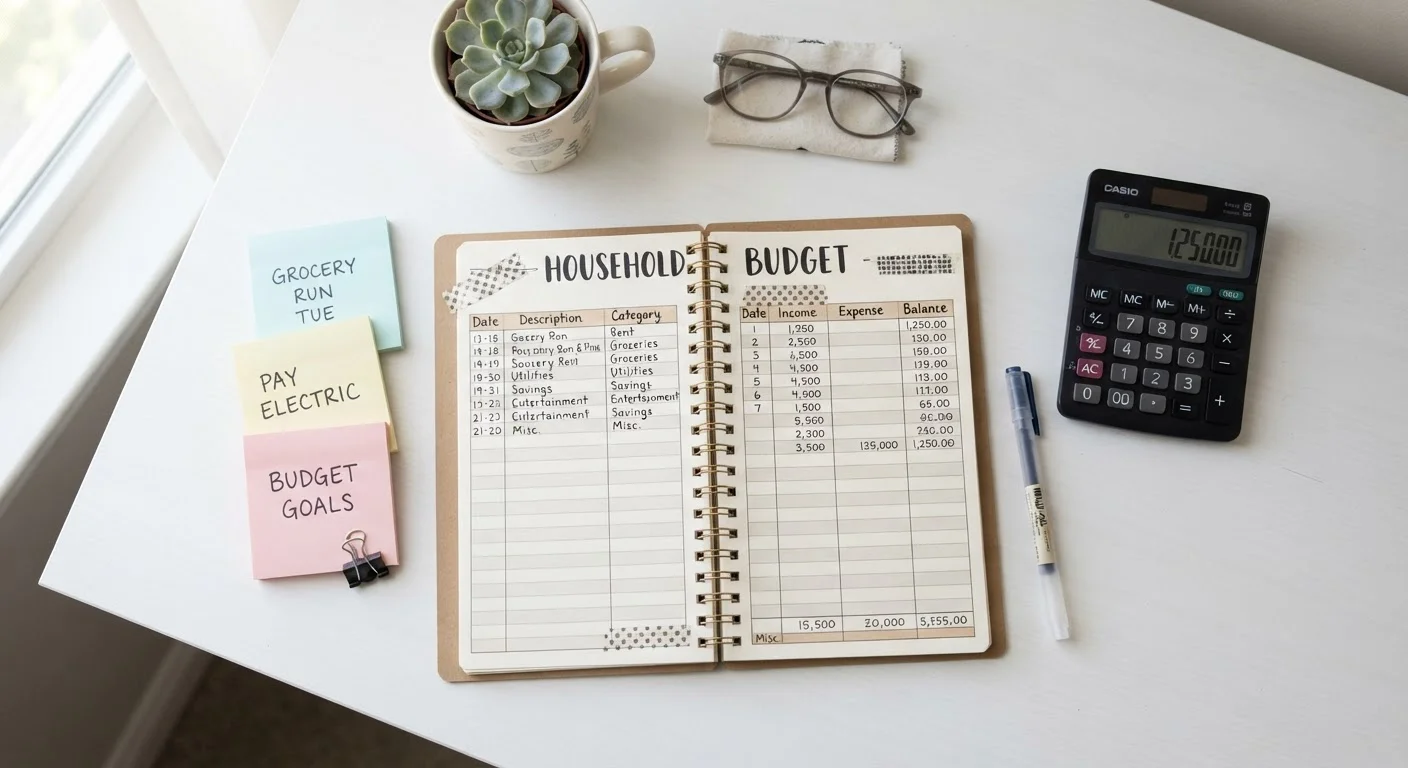
Monthly budget tracker
Helps you calculate your monthly surplus and identify how much you can contribute to investments consistently.
Government-issued photo ID
Required by all US brokerages for identity verification during the account application process.
Social Security Number (SSN) or ITIN
Mandatory for tax reporting on all brokerage accounts in the United States.
Bank account and routing numbers
Needed to link your bank account for initial and ongoing funding of the brokerage account.
IRS Publication 590-A and 590-B
Free IRS publications that explain IRA contribution rules, limits, and distributions in plain language.
The Readiness Checklist
Work through these groups in order. The first two groups address financial foundations that should be secure before you invest a single dollar. The later groups cover account setup and investing knowledge. If you find gaps in the early groups, that's useful information — it tells you exactly where to focus first.
For a broader view of the financial prerequisites that underpin this checklist, see our financial readiness checklist, which covers emergency funds, debt levels, and more in greater depth.
Financial Foundations
Budget & Cash Flow
Account Type Knowledge
Investing Basics
Application Documents & Requirements
Invest Only Money You Can Leave Alone
One of the most common early mistakes is investing funds that may be needed within one to two years. Markets can — and do — decline significantly over short periods, and selling investments during a downturn to cover expenses can lock in losses. Only invest money you are genuinely prepared to leave untouched for several years.
After You've Checked Every Box
If you've worked through all 18 items and feel confident in each one, you're in a strong position to open a brokerage account and fund your first investment. That said, completing this checklist doesn't remove the inherent risk that comes with investing — markets fluctuate, and no return is guaranteed.
Strong budgeting habits remain important once you're investing. Our Budgeting Basics hub offers straightforward strategies for tracking spending so your contributions stay consistent without straining your monthly cash flow.
As your portfolio grows, consider consulting a licensed financial adviser for guidance tailored to your specific tax situation, goals, and risk tolerance. This checklist is general financial education — it is not personalised financial advice.
Don't Skip the Tax Implications
Taxable brokerage accounts generate capital gains taxes when you sell investments at a profit, and dividends are typically taxable in the year received. These obligations can affect your overall financial picture in ways that aren't always obvious at first. Before choosing an account type, consider speaking with a tax professional to understand how investment income will interact with your broader tax situation.
This article is for informational purposes only and does not constitute personalised financial, investment, tax, or legal advice. Consult a qualified financial professional before making investment decisions.