
Why Some Debt Habits Are Hard to See
Debt rarely accumulates overnight, and it doesn't always shrink at the pace people expect — even when they're making payments. The gap between effort and progress is usually explained not by bad luck, but by specific, repeatable patterns that quietly extend repayment timelines.
The habits covered here aren't moral failures. They're common, understandable responses to financial pressure and social norms around spending. Recognizing them is the first step toward changing the math. For context on how financial habits slow down debt repayment, the patterns tend to be consistent across income levels.
This article is for general informational purposes only and does not constitute personalized financial advice. Consult a licensed financial professional for guidance specific to your situation.
Common Mistakes That Extend Debt Timelines
The following patterns appear frequently among people who find their debt balance moving slower than expected. Each one has a clear mechanism — understanding the why makes it easier to course-correct.
Making only the minimum payment each month on revolving debt.
Why it happens: Minimum payments feel manageable and keep accounts in good standing, so many people default to them without calculating the long-term cost.
Allowing lifestyle inflation to absorb every pay raise or windfall.
Why it happens: Higher income naturally invites higher spending. Upgrading a home, car, or subscription services after a raise feels like a well-earned reward, and the connection to prolonged debt is rarely made in the moment.
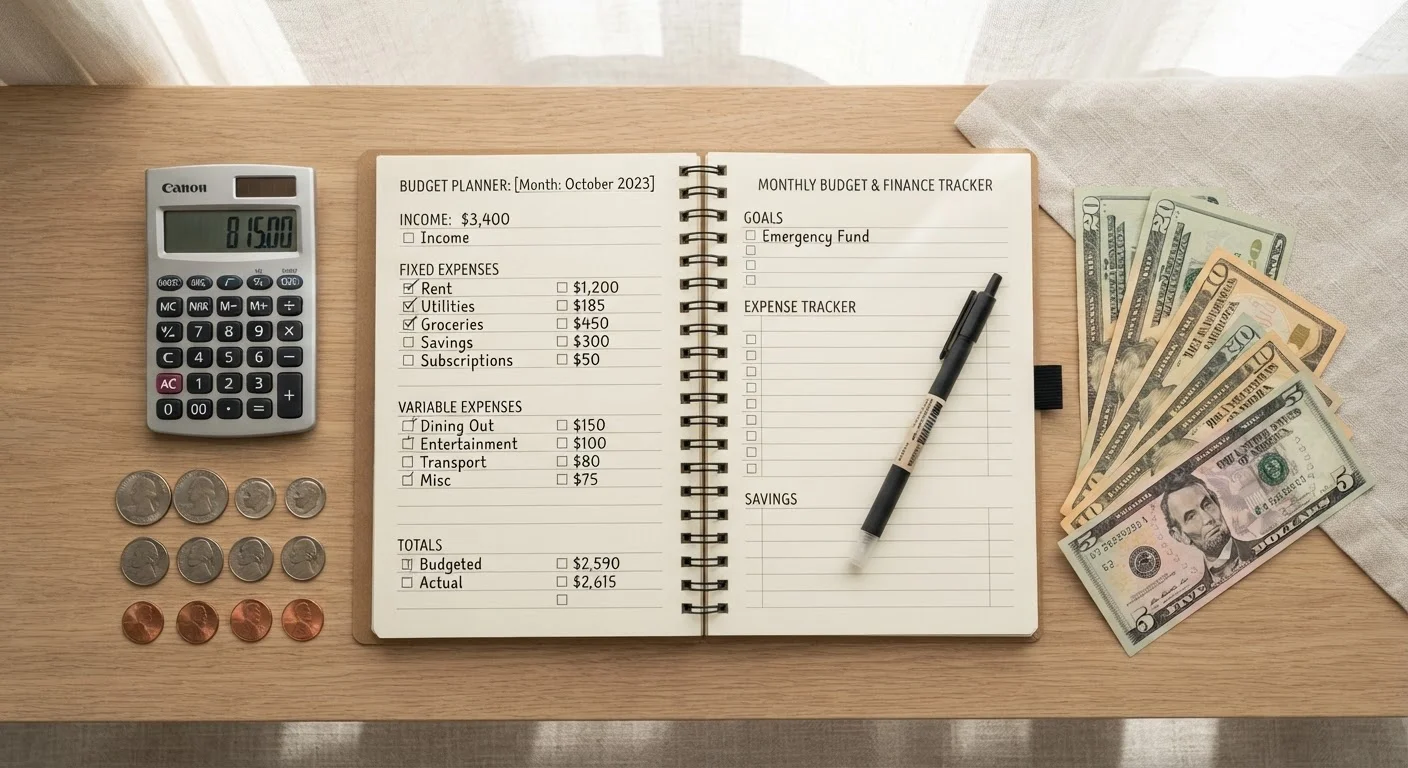
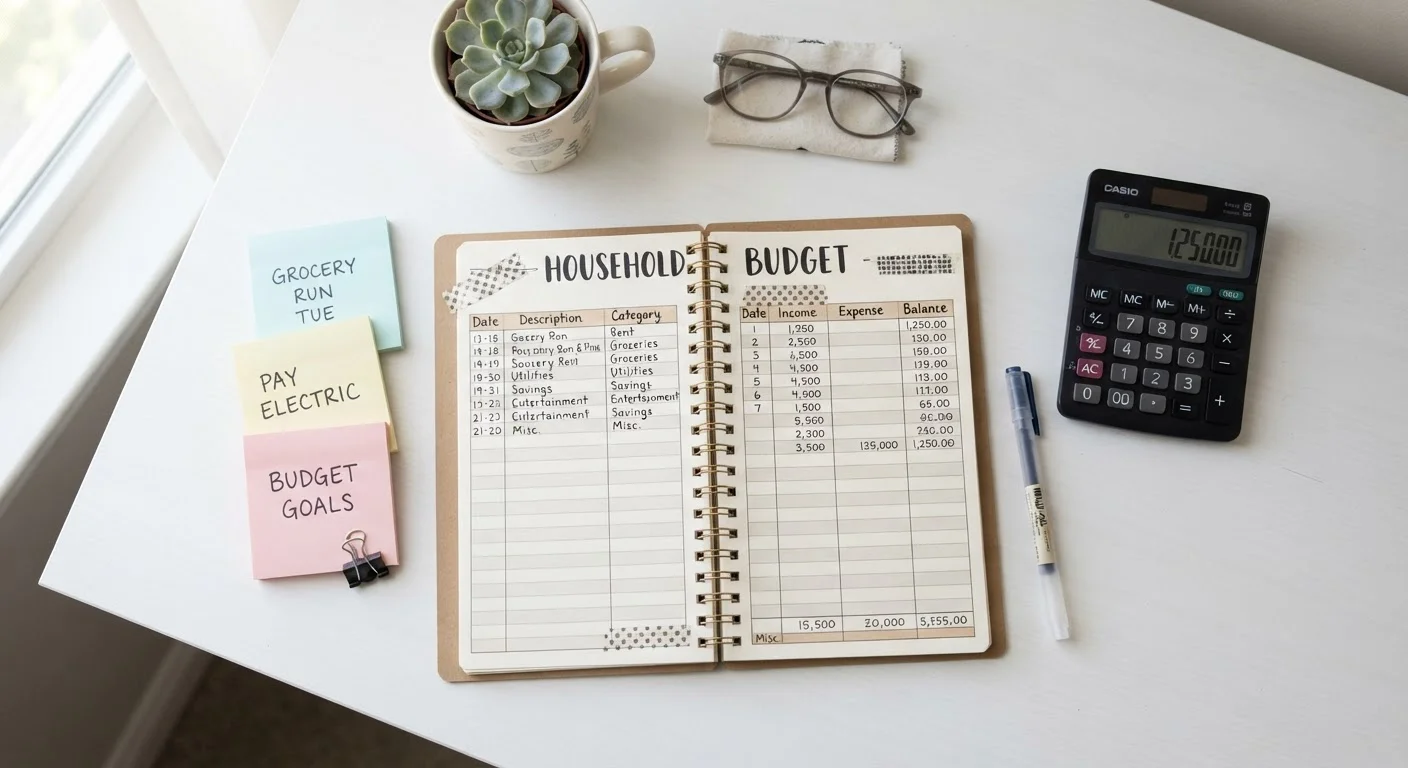
Operating without a written or tracked budget.
Why it happens: Budgeting feels time-consuming or restrictive, and many people believe they have a general enough sense of their spending to manage without one.
Using credit reactively to cover irregular or emotional spending.
Why it happens: Without an emergency fund or spending plan, unexpected costs — and impulse purchases — land on credit cards by default, adding to the balance being paid down.
Ignoring the role of sunk cost thinking in ongoing financial commitments.
Why it happens: People often continue paying for services, memberships, or items they no longer use because they've already spent money on them — a classic sunk cost fallacy.
Minimum Payments Cost More Than You Think
Paying only the minimum on high-interest debt — such as credit cards — means a large portion of each payment goes toward interest rather than principal. Over time, this can result in paying back significantly more than the original balance. If you carry revolving debt, consider consulting a nonprofit credit counselor or licensed financial adviser to explore repayment strategies suited to your situation.
For readers looking to build a more structured approach to spending and repayment, the Budgeting Basics hub offers straightforward frameworks for tracking where money goes each month.
Ignoring Debt Rarely Makes It Smaller
Unpaid debt doesn't simply wait — it typically grows through accruing interest, late fees, and potential collection activity. What happens to debt when you ignore it is well-documented: credit scores drop, options narrow, and the balance climbs. Acknowledging the problem early generally leaves more options on the table.
Turning Recognition Into Action
Identifying these habits is valuable, but the real shift comes from making small, measurable changes. A few principles worth applying:
- Automate extra payments where possible so they happen before discretionary spending decisions are made.
- Review subscriptions and recurring costs at least once per quarter to free up cash flow.
- Separate your savings and checking accounts to reduce the temptation to spend money set aside for debt payments or emergencies.
$6,501
Average American credit card balance
According to TransUnion's Q4 2023 Consumer Credit Report, the average credit card balance per borrower reached approximately $6,501.
20%+
Typical credit card APR in recent years
The Federal Reserve's consumer credit data has shown average credit card interest rates exceeding 20% APR, making minimum-only payments especially costly.
1 in 3
Americans with no monthly budget
Surveys by the National Foundation for Credit Counseling have consistently found that roughly one-third of U.S. adults do not maintain a household budget.
Progress doesn't require perfection. Even modest, consistent adjustments — an extra $50 per month toward a high-interest balance, canceling two unused subscriptions — compound meaningfully over 12 to 24 months. The goal is to make the habits work in your favor rather than against you.